Live updates: Iran war news; Netanyahu says Israel ‘acted alone’ in gas field strike as energy costs soar
Netanyahu says Israel acted alone in gas field strike, stoking regional tensions as global energy costs climb.
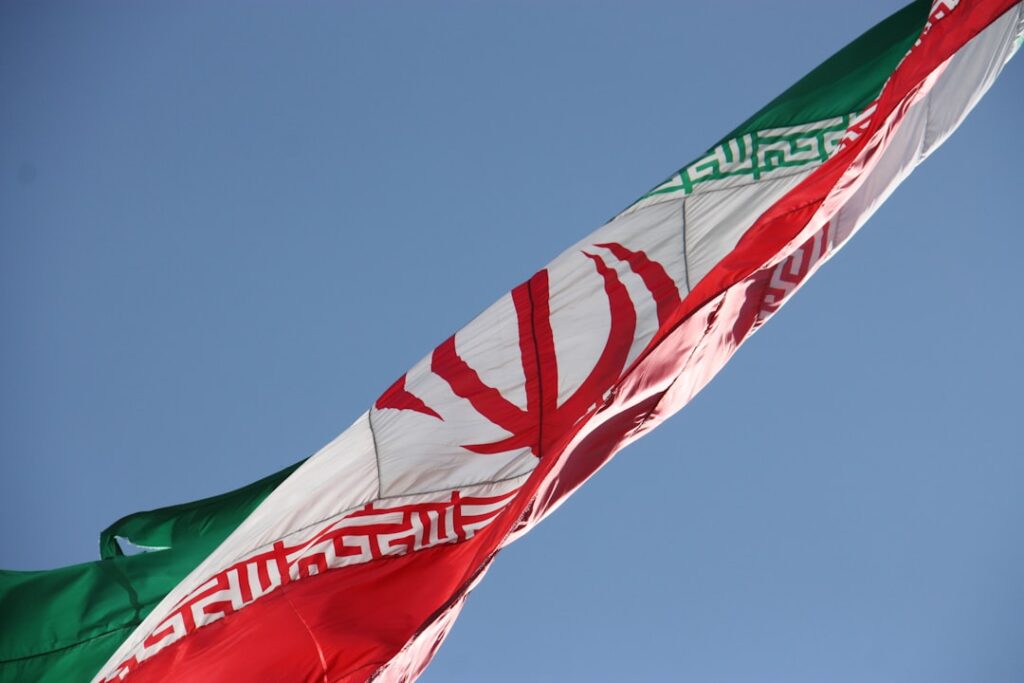
Image: GlobalBeat / 2026
Israel strike on Iran gas field drives oil to 6-week high, Netanyahu claims solo move
Muhammad Asghar | GlobalBeat
Israel attacked an Iranian offshore gas platform early Tuesday, and global benchmark Brent crude jumped $2.40 to $79.80 a barrel within hours.
Prime Minister Benjamin Netanyahu told reporters Israel “acted alone,” producing the strongest energy-price spike since mid-October.
The strike targeted the South Pars field, source of 70 percent of Iran’s domestic gas and 15 percent of global liquefied petroleum-gas exports, according to energy-data firm Kpler. Iran has not confirmed damage estimates but told OPEC it may cut supply by 300,000 barrels a day this month.
Brent crude opened at $77.40 in London and climbed through the morning after Chevron, BP and Shell rerouted tankers away from the Strait of Hormuz. “Markets price in a 1-in-3 risk of wider Gulf exports shutting,” RBC Capital analyst Helima Croft wrote in a client note.
Israel Defence Forces released infrared video that showed jets releasing what the military called “stand-off precision weapons” at 2:18 a.m. local time. Iran’s Ports and Maritime Organisation said a fire on the Resalat B platform was extinguished by dawn and that two support vessels suffered “partial damage.” The National Iranian Oil Company did not reply to requests for data on output losses.
The United States distanced itself. Pentagon press secretary Maj. Gen. Pat Ryder told reporters “no U.S. forces participated,” adding Washington “was given no advance warning.” A senior Biden administration official confirmed the statement.
European gas markets joined the rally. Dutch TTF front-month futures leapt 18 percent to €53 a megawatt-hour, the highest since April, feeding into electricity contracts from Germany to Spain. “Each extra euro on gas adds roughly €3 per megawatt-hour to power bills,” said Fabian Rønningen at energy consultancy Rystad.
Tehran vowed retaliation. “We reserve the right to answer at the appropriate time and place,” Foreign Minister Abbas Araghchi wrote on the ministry website. Parliament speaker Mohammad Bagher Qalibaf convened a closed session of national-security deputies in the afternoon but released no statement.
Insurance rates surged almost immediately. London underwriters quoted $750,000 for a seven-day war-risk policy on a Suezmax tanker loading in the Persian Gulf, up from $180,000 on Monday, two brokers told Reuters. Shipowner Frontline said it had suspended new Gulf bookings until at least the weekend, according to a company advisory seen by GlobalBeat.
Asian buyers reacted first. South Korea’s KOGAS cancelled a scheduled LPG cargo due to load at Assaluyeh on 17 December, and Indian refiner Reliance diverted two very-large-crude-carriers to West African grades, traders told Bloomberg. China’s Sinopec declined to comment.
Israel remained defiant. Energy Minister Eli Cohen told Army Radio the move “prevents Iran from funding Hezbollah,” citing Israeli intelligence that $400 million in gas revenue reaches proxy groups yearly. Netanyahu later told a Tel Aviv technology conference that Israel chose the target because it is “close to the Quds Force command centre at Bandar Abbas,” though satellite imagery company Planet Labs said the nearest base lies 35 kilometres west of the platforms.
The attack unfolded hours after a U.N. Security Council meeting failed to pass a Gaza cease-fire resolution, raising speculation that the strike was timed to avoid a diplomatic window. U.N. Secretary-General António Guterres “noted with grave concern the escalation and its impact on global energy prices,” spokesman Stephane Dujarric said in an emailed statement.
## Background
Israel and Iran have traded strikes since April 2023 when a suspected Israeli drone hit an Iranian military site at Isfahan. Iran responded days later with a 300-missile barrage against Israel, most of which were intercepted. The exchanges extended to the maritime arena in 2021 when both countries accused the other of attacking commercial tankers.
The South Pars field, shared with Qatar, holds roughly 1,800 trillion cubic feet of gas, the world’s biggest single reserve, according to the International Energy Agency. Iran last suffered a major outage there in 2019 after a pipeline explosion that Tehran blamed on sabotage but never produced evidence of foreign involvement.
## What’s Next
Iranian lawmakers are scheduled to vote Wednesday on a motion to raise the Basij paramilitary budget by 20 percent, funds that could be channelled to regional militias. European Union energy ministers will hold an emergency video call Thursday to discuss coordinated release of strategic gas reserves, the Czech presidency announced.
Rising freight and insurance costs are already filtering into pump prices, with Germany’s ADAC motoring club predicting diesel could jump 5 cents a litre before Christmas. Traders will also watch American Petroleum Institute stock data due 16:30 GMT Wednesday to gauge whether U.S. crude inventories can cushion the shock.