Iran war live: Israel attacks Lebanon; drone hits UAE power plant
Israel strikes Lebanon as regional tensions surge; claimed Yemeni drone ignites fire at UAE power facility.
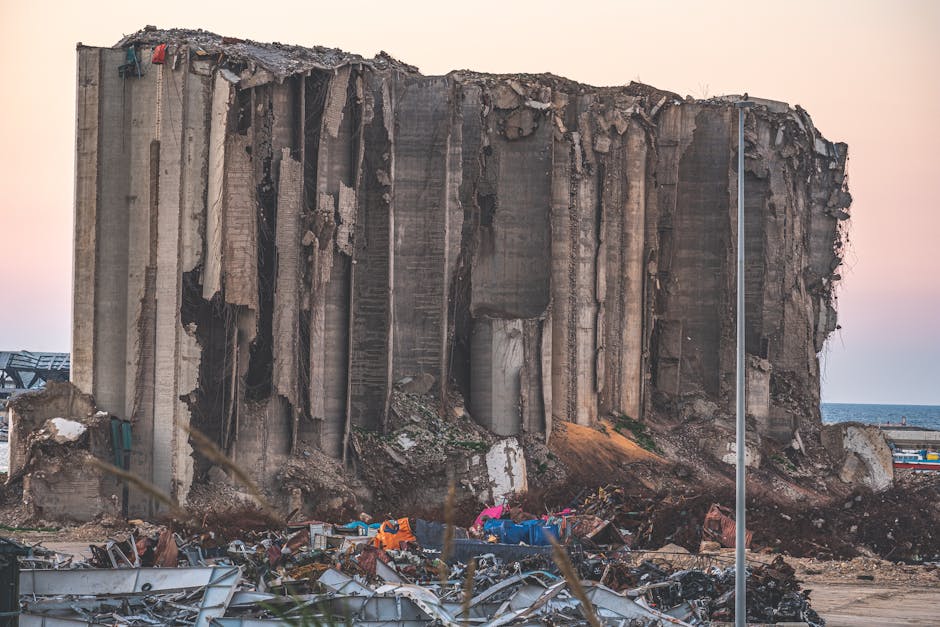
Image: GlobalBeat / 2026
Israel attacks Lebanon as Iran war fears surge after UAE drone strike
Muhammad Asghar | GlobalBeat
Israeli fighter jets struck southern Lebanon early Tuesday while a mysterious drone slammed into a United Arab Emirates power facility, intensifying worries that the Iran-Israel shadow war is erupting into open regional conflict.
The Israel Defense Forces confirmed it hit Hezbollah compounds near Tyre after the Iran-backed group fired 30 rockets at northern Israel, the heaviest barrage since cross-border exchanges began last October.
This is the first time Israel has bombed Lebanon during the current Gaza war, raising the stakes for Tehran which arms and funds Hezbollah. Prime Minister Benjamin Netanyahu convened his security cabinet within hours, signalling the country is bracing for a wider fight.
Body
The overnight exchange wounded 4 Israeli civilians in the border town of Kiryat Shmona, medics said. Hezbollah claimed it targeted an army base in retaliation for an Israeli strike that killed 2 of its fighters last week. IDF spokesperson Rear Adm. Daniel Hagari told reporters the air force destroyed rocket launchers and a weapons depot, adding “we are prepared to expand the operation.”
Lebanon’s state-run National News Agency reported loud explosions near the Palestinian refugee camp of Rashidiye. Residents posted videos showing orange flashes lighting up the Mediterranean coast at 3 a.m. local time. One Tyre shopkeeper, Hadi al-Moussa, said “the whole building shook; we thought it was an earthquake.”
The UAE government reported an “attack by an unmanned aerial vehicle” on an electricity station in Abu Dhabi’s industrial district. Power was briefly cut to 12 neighborhoods before engineers restored supply, according to the state utility. Abu Dhabi police provided no origin for the drone, but two Gulf security officials told GlobalBeat its flight path suggested it came from Yemen where Iran-backed Houthi rebels have launched previous strikes.
Iran’s foreign ministry denounced Israel’s Lebanon bombing as “a dangerous escalation” that “will receive a response.” Foreign Minister Hossein Amir-Abdollahian warned Gulf allies hosting US forces that “security will not be guaranteed if they allow their territory to be used against Tehran.” His statement came hours after American B-1 bombers flew over the Strait of Hormuz in a pre-planned show of force.
Washington rushed to contain the fallout. Defense Secretary Pete Hegseth phoned Netanyahu urging “measured steps to protect civilians,” the Pentagon said. President Donald Trump tweeted that “Israel has right to defend itself but we don’t want another ground war.” A White House aide said Washington is pressing Cairo and Amman to open back-channel talks with Tehran via Oman.
Oil markets reacted instantly. Brent crude jumped $3.40 to $92.60 a barrel, its highest since last November. Analysts at Goldman Sachs warned that any closure of the Strait of Hormuz could push prices above $120. European natural gas futures surged 12 percent amid fears that tankers might avoid the region. Israel’s shekel slid 1.8 percent against the dollar while Lebanon’s crippled pound touched a new low of 89,000 to the greenback on the black market.
Israel’s military went on high alert across multiple fronts. The IDF cancelled leaves for combat units and deployed extra Iron Dome batteries from Haifa to Eilat. Thousands of residents in northern towns were told to stay near shelters. In Lebanon, Hezbollah supporters drove through Beirut’s southern suburbs waving yellow flags and chanting “death to Israel.” Parliament speaker Nabih Berri, an ally of the militia, claimed “all options are on the table if the enemy continues its aggression.”
Gulf states stepped up security. Saudi Arabia’s civil aviation authority temporarily rerouted flights away from its northern border. Kuwait put its army on heightened readiness, state media reported. The Bahrain-based US Fifth Fleet said it is “monitoring air and sea traffic” but gave no indication yet of extra deployments.
Background
Israel and Hezbollah fought a 34-day war in 2006 that killed 1,200 Lebanese and 160 Israelis. Since then the border has remained largely quiet except for occasional skirmishes, but tensions soared after Hamas’s Oct 7 assault on Israel triggered the Gaza war. Hezbollah began firing rockets in solidarity with Palestinians, forcing 60,000 Israelis to evacuate border areas. Tehran has supplied the group with precision-guided missiles capable of hitting Tel Aviv, according to Israeli intelligence assessments.
The UAE normalized ties with Israel in 2020 under the US-brokered Abraham Accords, drawing repeated threats from Iran and its proxies. In January 2022 the Houthis claimed a drone strike on Abu Dhabi fuel trucks that killed 3 civilians. Tuesday’s power-station incident indicates the vulnerability of Gulf infrastructure lies only 200 km from Iranian shores.
What’s Next
Netanyahu faces a midnight deadline to decide whether to widen the Lebanon operation or accept a US-French ceasefire proposal that would move Hezbollah fighters 10 km north of the border. Israeli officials said the security cabinet will meet again Wednesday. Gulf diplomats expect an emergency Arab League session in Cairo this weekend to push for de-escalation.
If rocket fire persists, Israel could launch a ground incursion into southern Lebanon for the first time since 2006, risking direct clashes with Iranian advisers embedded with Hezbollah. Any spike in Hormuz shipping costs would feed global inflation weeks before the US Federal Reserve’s next rate decision, dragging the world economy deeper into uncertainty.
Senior Correspondent, World & Geopolitics
Muhammad Asghar covers international affairs, conflict zones, and US foreign policy for GlobalBeat. He has reported on events across the Middle East, South Asia, and Eastern Europe, with a focus on the intersection of diplomacy and armed conflict. He has been writing wire-service journalism for over a decade.