Live Updates: Iran says it’s mulling latest U.S. peace proposal, Trump says he’ll wait “a couple of days”
Iran said on Tuesday it is studying a new U.S. peace proposal, while President Trump said he will give Tehran a couple of days to respond.
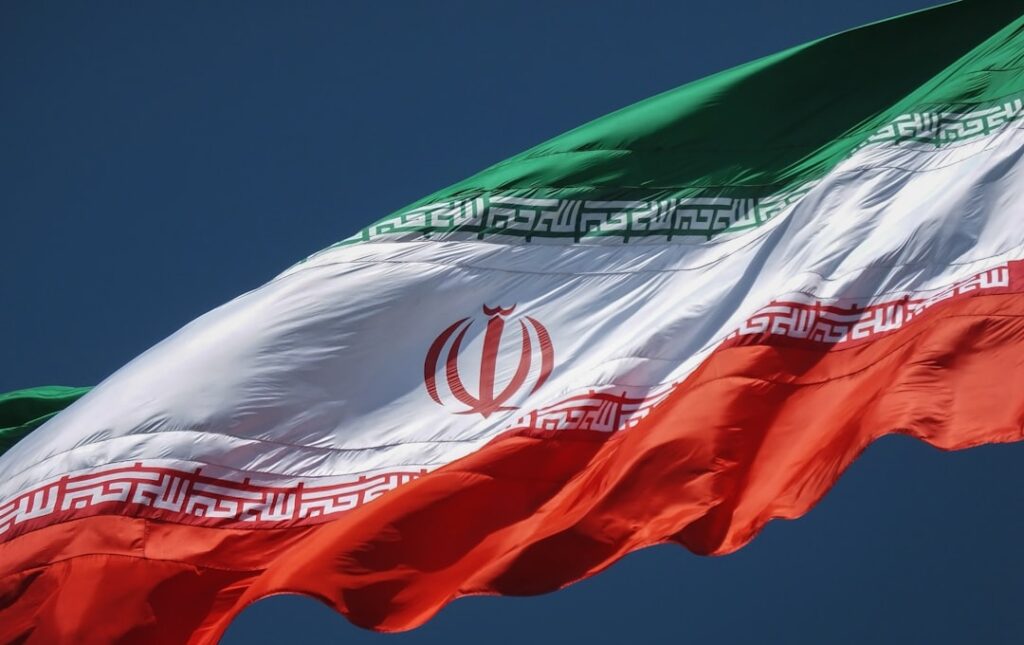
Image: GlobalBeat / 2026
Iran mulls US peace proposal as Trump gives Tehran “a couple of days” to respond
Muhammad Asghar | GlobalBeat
Iran is reviewing Washington’s latest offer to limit Tehran’s nuclear program, President Donald Trump told reporters Tuesday without revealing details of the supposed American proposal.
The US leader said he will wait 48 hours for Tehran’s answer after Iranian state media reported that officials were “seriously studying” the package presented through backchannel talks. “We’ll see what they say,” Trump said outside the White House.
The back-and-forth marks the first public sign of potential diplomatic movement since Trump returned to office in January and ordered a carrier strike group to remain in the Persian Gulf “as long as necessary.”
Iran’s Foreign Ministry acknowledged the communication late Monday through its Arabic-language channel Al-Alam, which cited unnamed officials familiar with the exchange. The ministry itself has not issued a formal statement on the matter. similar vagueness surrounds the American side. Trump declined to specify whether the offer addresses uranium enrichment, lifting sanctions, or regional tensions, telling reporters only that “it’s a very fair deal, very fair.”
Western diplomats in Doha and Muscat said they were unaware of any new paper being passed to Iranian negotiators, though Oman has hosted secret talks between the two foes since 2023.
One European envoy, speaking on condition of anonymity, cautioned that past US envoys have floated trial balloons without formal backing. “Sometimes a presidential tweet functions as the opening bid,” the diplomat told reporters Tuesday.
Israel’s government reacted with suspicion. Prime Minister Benjamin Netanyahu’s office released a two line statement urging “no shortcuts on pressure” and repeating demands that any accord dismantle Iranian centrifuges. Defense Minister Israel Katz went further, telling army radio that Jerusalem “will not be bound by any framework that leaves Iran weeks from breakout.”
The Islamic Republic has enriched uranium to 60 percent purity since 2021, well above the 3.67 percent cap set by the 2015 nuclear deal that Trump abandoned in 2018. Inspectors from the International Atomic Energy Agency reported last month that Iran’s stockpile of near-weapons-grade material has grown to 193 kilograms. Arms control experts estimate that quantity could be refined into enough fissile material for at least two bombs within weeks if Tehran chose weaponization.
Washington’s sanctions architecture remains largely intact after President Joe Biden failed to revive the multilateral agreement. US Treasury data shows Iranian oil exports fell to 650,000 barrels per day in March, down from 1.5 million bpd last autumn, costing the government roughly $4 billion in quarterly revenue.
Oil markets shrugged off the news. Brent crude futures dipped 0.4 percent in London trading on Tuesday to $72.10 a barrel, signaling skepticism among commodity traders that a breakthrough is imminent.
Inside Iran lawmakers issued mixed messages. Hard-liner Hamid Rasaei denounced “new American trickery” on the chamber floor while reformist Seged Mohammad Javad Ameri told state television that negotiations “beat regional war.” The parliament has no formal role in arms talks but its debates reflect factional jostling that influences Supreme Leader Ayatollah Ali Khamenei. Khamenei, who holds final say, has previously ruled out direct talks with Washington.
Iranian citizens voiced fatigue with perpetual crisis. At a pharmacy in central Tehran, 42-year-old engineer Mahnaz said she would welcome any easing of shortages that have left cancer drugs scarce. “We are tired of slogans,” she told GlobalBeat, declining to give her surname. Younger Iranians were less hopeful. University student Amin, 22, doubted any deal could outlast Trump’s presidency. “They sign, he tears it up again,” he said, referencing the 2018 exit.
Background
The United States and Iran have held frosty relations since the 1979 Islamic Revolution that deposed the US-backed Shah. Diplomatic ties were severed after Iranian students seized the American embassy in Tehran and held 52 diplomats hostage for 444 days. Washington later backed Saddam Hussein’s Iraq during the 1980-88 war against Iran, leading to deep distrust in Tehran toward US intentions.
Sanctions began multiplying in the 1990s over Iran’s alleged support for groups such as Hezbollah and Hamas. The 2015 Joint Comprehensive Plan of Action offered sanctions relief in exchange for limits on Iran’s nuclear activity. Trump campaigned against that agreement, calling it “the worst deal ever negotiated,” and withdrew despite European objections. Since then Iran has curbed inspector access and expanded enrichment, while regional tensions spiked after the US drone strike that killed Revolutionary Guard commander Qassem Soleimani in January 2020.
What’s Next
The 48-hour window Trump mentioned would expire around midday Thursday in Washington, though US officials say privately they anticipate a drawn-out sequence of clarifications. European capitals hope to be briefed once Iran issues its official reaction, which Tehran says will come “through appropriate channels.” Oman is expected to continue shuttling messages, but analysts warn that any serious talks would require months of technical negotiations on verification and sanctions relief sequencing.
Iran’s next move will test Trump’s often contradictory impulses between deal-making bravado and hawkish campaign rhetoric. Sanctions remain the default tool unless talks accelerate. Oil exporters, Gulf monarchies, and global powers will parse wording for clues on whether the White House leans toward containment or confrontation in the world’s most volatile energy chokepoint.
Senior Correspondent, World & Geopolitics
Muhammad Asghar covers international affairs, conflict zones, and US foreign policy for GlobalBeat. He has reported on events across the Middle East, South Asia, and Eastern Europe, with a focus on the intersection of diplomacy and armed conflict. He has been writing wire-service journalism for over a decade.