Iran war live: Trump urges Tehran to ‘give up’; Israel kills 14 in Lebanon
Trump demands Iran surrender as Israeli strikes kill 14 in southern Lebanon, raising regional war fears.
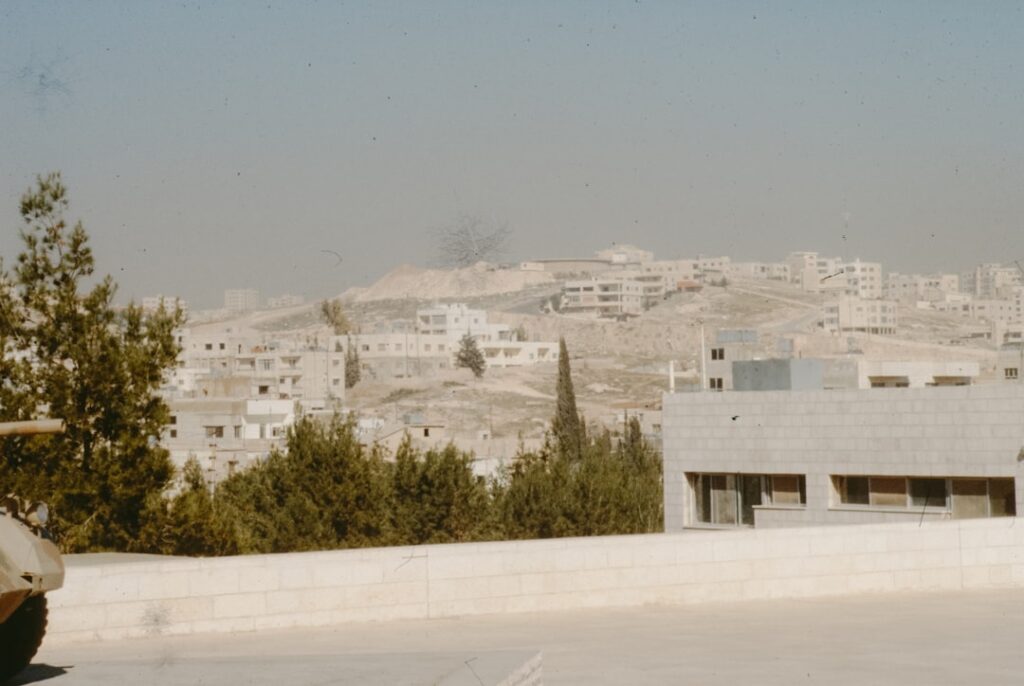
Image: GlobalBeat / 2026
Iran war: Trump demands Tehran surrender as Israel drone strike kills 14 in southern Lebanon
Muhammad Asghar | GlobalBeat
US President Donald Trump told Iran to “give up” as Israeli drones struck a municipal building in southern Lebanon, killing 14 people and wounding 37.
The White House issued the blunt demand hours after Prime Minister Benjamin Netanyahu’s war cabinet approved expanded operations against Iran-backed Hezbollah. The strike hit Nabatieh at 9:15 a.m. local time, collapsing the roof of a city engineering office and setting nearby cars ablaze.
The escalation follows a week of tit-for-tat rocket fire across the border and comes two days after Trump signaled readiness to back an Israeli offensive. “Tehran should give up now,” the president told reporters outside the White House. “They’re going to lose everything.”
Civil defense teams pulled bodies from the rubble throughout Monday. The Lebanese health ministry identified 11 municipal employees and 3 civilians among the dead. Hospital officials warned the toll could rise as rescue crews worked under floodlights after dark.
Israel’s military confirmed the attack, calling the building a “Hezbollah command node” embedded inside civilian infrastructure. Rear Adm. Daniel Hagari told reporters the site stored Iranian-made Fateh-110 missiles. He displayed aerial footage showing what he said were heat signatures from rocket launches. No independent verification was provided.
Hezbollah fired back with 65 rockets that landed in northern Israel, damaging a chicken coop and cutting power to Kiryat Shmona. No Israeli casualties were reported. The group vowed “an expanding response,” language it has used before major barrages.
The violence shredded a fragile truce that had held since February. That deal, brokered by France and Egypt, paused daily exchanges that killed more than 270 people on both sides of the border. Trump had praised the accord at the time, calling it “proof diplomacy works.”
Now Washington is signaling otherwise. Secretary of State Marco Rubio flew to Tel Aviv on Sunday night and met Netanyahu for 90 minutes. A joint statement said the US “supports Israel’s right to dismantle Hezbollah’s attack infrastructure.” Rubio did not mention Lebanon’s sovereignty.
Lebanese Prime Minister Najib Mikati condemned the strike as a “massacre” and recalled his ambassador from Washington. Speaking in Beirut, he accused Israel of “trying to drag us into a wider war to please their American backers.” Parliament speaker Nabih Berri, an ally of Hezbollah, warned the country faced “existential choices.”
Iran’s foreign ministry blamed the US directly. Spokeswoman Marzieh Afkham said Trump’s words amounted to “a green light for ethnic cleansing.” She vowed Iran would “not abandon Lebanon,” raising the prospect of deeper involvement by the Islamic Revolutionary Guard Corps.
Oil markets flinched. Brent crude jumped $2.40 to $84.70 a barrel, its highest level since October. Traders cited the risk of Iranian retaliation against shipping lanes in the Strait of Hormuz, through which 20 percent of global supply passes. Israeli energy stocks slipped 2.8 percent on the Tel Aviv exchange.
European governments urged restraint. German Chancellor Friedrich Merz called Netanyahu and Mikati on Monday, offering to host emergency talks in Berlin. UK Foreign Secretary David Lammy said “all sides must step back from the brink,” while France deployed a naval frigate off the Lebanese coast to evacuate citizens if needed.
Inside Israel, the security cabinet approved call-up orders for 5,000 reservists late Monday. Defense Minister Israel Katz said troops were training “for scenarios north of the border.” Airstrips in the Golan Heights buzzed with transport helicopters ferrying supplies to forward positions.
The timing signals Netanyahu may act before Ramadan ends in 9 days. Israeli officials fear Hezbollah could use the Muslim holy month to rally regional support. Past major offensives, including the 2006 Lebanon war, began during similar windows.
Background
The current frontier quieted after the 2006 war, which killed 1,200 Lebanese and 160 Israelis. A UN-drawn Blue Line and 10,000 peacekeepers kept rockets silent for years. That changed on October 8, 2023, when Hezbollah fired on Israeli positions a day after Hamas attacked southern Israel, claiming solidarity with Palestinians. Daily skirmishes since have displaced 96,000 Israelis and 100,000 Lebanese.
Washington has long viewed Hezbollah as Iran’s most potent proxy, funneling an estimated $700 million in cash and missiles annually. The group holds 13 seats in Lebanon’s cabinet and commands 45,000 fighters, more than the national army. Israel estimates Hezbollah has stockpiled 150,000 rockets, including precision-guided missiles capable of striking Tel Aviv.
What’s Next
Rubio meets Jordan’s King Abdullah II in Amman on Tuesday before shuttling to Riyadh. Arab foreign ministers convene in Cairo Wednesday to draft a joint statement on “Israeli aggression.” Israel’s security cabinet is expected to vote on a broader ground operation if rocket fire continues, according to a senior official who requested anonymity because the deliberations are classified.
If Israeli troops cross the border, Iran’s next move will shape the arc of the conflict. The Revolutionary Guard could order Hezbollah to launch 2,000 rockets a day, double the current rate. That would force Israel to evacuate Haifa, a city of 300,000, and risk drawing US forces into direct combat for the first time since 1988.
Senior Correspondent, World & Geopolitics
Muhammad Asghar covers international affairs, conflict zones, and US foreign policy for GlobalBeat. He has reported on events across the Middle East, South Asia, and Eastern Europe, with a focus on the intersection of diplomacy and armed conflict. He has been writing wire-service journalism for over a decade.