Iran War Live Updates: Tehran Vows to Destroy Key Infrastructure After Trump’s Power Plant Threat
Iran threatens U.S. critical infrastructure after Trump warned of strikes on Iranian power plants, raising Middle East tensions.
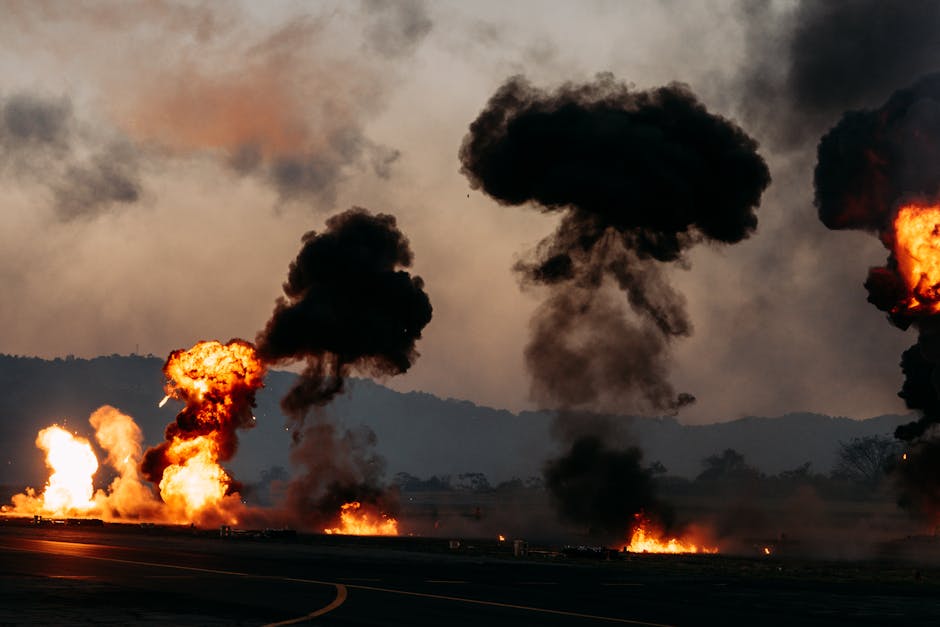
Image: GlobalBeat / 2026
Iran war news: Tehran threatens infrastructure after Trump warns on power plants
Muhammad Asghar | GlobalBeat
Iranian military commanders pledged to destroy Gulf energy facilities if the United States attacks Iranian power infrastructure.
The Islamic Revolutionary Guard Corps issued the warning hours after President Donald Trump said he was “looking very seriously” at striking Iranian electricity plants.
Tehran and Washington moved closer to open conflict after weeks of rising tensions over Iran’s nuclear program.
Iran has accelerated uranium enrichment beyond limits set by the 2015 nuclear deal. The International Atomic Energy Agency confirmed this month that Iranian stockpiles of 60 percent enriched uranium reached 238 kg. Weapons grade uranium requires about 90 percent purity.
IRGC Navy commander Alireza Tangsiri told state television that Iran would “turn off the lights” across the region if American forces hit Iranian infrastructure. The military leader said Iran had identified critical desalination plants, oil terminals, and power stations in Saudi Arabia, the United Arab Emirates, and Bahrain.
Defense Minister Aziz Nasirzadeh warned that Iranian missiles could target facilities operated by the six-nation Gulf Cooperation Council. He spoke at a Tehran press conference on Tuesday.
Trump told reporters at the White House on Monday that Iran faced “a very big price” if it continued enriching uranium. He added that “everything is on the table” including strikes against Iranian energy facilities.
The Pentagon moved additional forces to the region last week. The aircraft carrier USS Abraham Lincoln and its strike group entered the Persian Gulf on Friday. The Navy said the deployment was pre-planned.
Arab diplomats expressed alarm about the escalating rhetoric. Saudi Foreign Minister Faisal bin Farhan told reporters in Riyadh that the kingdom was “very concerned” about threats to regional energy infrastructure. He spoke after meeting Qatar’s foreign minister.
Omani officials offered to mediate between Washington and Tehran. Oman played a key role in secret talks that led to the 2015 nuclear agreement.
Analysts warned that attacks on energy infrastructure could disrupt global oil markets. The Gulf region produces about 30 percent of worldwide oil supplies. Brent crude prices rose 3.2 percent to $74.80 per barrel on Tuesday after the Iranian warning.
European diplomats urged restraint. French Foreign Minister Jean-Noel Barrot called for “de-escalation” after discussing the crisis with Secretary of State Marco Rubio by phone.
The European Union still backs reviving the nuclear deal that Trump abandoned in 2018. Talks in Vienna have stalled since December.
Israel has also threatened to attack Iranian nuclear facilities. Prime Minister Benjamin Netanyahu told his cabinet on Sunday that Israel would “not abide” Iran developing nuclear weapons.
Iran always denies pursuing nuclear weapons. Supreme Leader Ayatollah Ali Khamenei issued a religious edict banning such weapons in 2003.
Background
The 2015 nuclear agreement lifted economic sanctions on Iran in exchange for limits on its nuclear program. Trump withdrew from the deal and reimposed sanctions in 2018.
Iran complied with the agreement for one year after the US withdrawal. It began exceeding nuclear limits in 2019. The country has enriched uranium to higher levels each year since.
Tensions increased after Iran launched missile attacks on US forces in Iraq in January 2020. Washington killed IRGC commander Qassem Soleimani in a drone strike days earlier.
The two nations have avoided direct war through several crises. Iran shot down an American drone in 2019. The US killed an Iranian general during the same period.
What’s Next
The IAEA board of governors meets in Vienna next week to discuss Iran’s nuclear program. European powers may push for a new resolution condemning Iranian actions.
Iranian officials said they would continue enriching uranium despite international pressure. Atomic Energy Organization head Mohammad Eslami said Iran would “not retreat” from its nuclear rights.
Oil traders are watching for signs of actual military preparations. Previous rounds of threats have not disrupted energy flows through the Strait of Hormuz. The narrow waterway carries 20 percent of global oil shipments.