Live updates: White House says Iran talks proceeding as foreign minister denies negotiations
White House claims Iran nuclear talks ongoing; Tehran’s foreign minister publicly denies any negotiations.
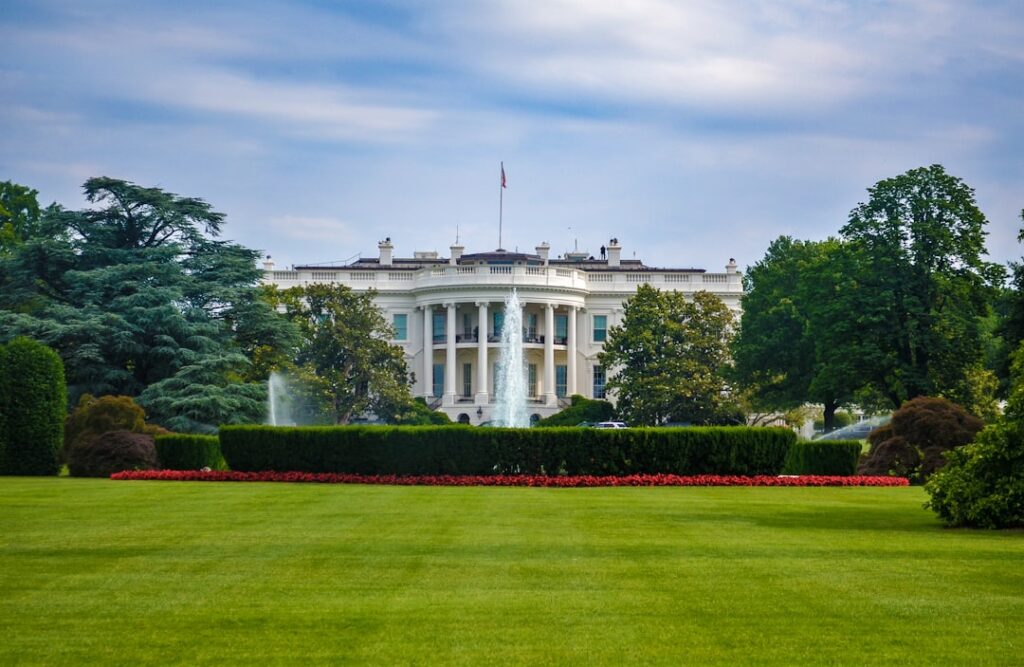
Image: GlobalBeat / 2026
Iran US negotiations: White House confirms talks ongoing after Tehran denial
US officials said Iran negotiations continue despite Iranian Foreign Minister Abbas Araghchi rejecting claims of direct talks.
National Security Council spokesman John Kirby told reporters the administration maintains diplomatic channels with Tehran on nuclear issues.
The conflicting statements emerged as world powers seek to revive the 2015 nuclear agreement that limited Iran’s atomic program in exchange for sanctions relief.
Kirby said US negotiators remain engaged with Iranian counterparts through indirect talks mediated by European partners. “We continue to have discussions with the Iranians,” he told reporters at Tuesday’s briefing.
Araghchi dismissed reports of negotiations in a post on social media platform X. “There are no direct or indirect talks between Iran and the US,” he wrote.
The Iranian foreign minister said media reports suggesting otherwise served “specific political purposes.” US officials have not confirmed whether Secretary of State Antony Blinken met Iranian officials at last month’s UN General Assembly.
Araghchi said Iran has not altered its longstanding position that the United States must first return to the 2015 nuclear deal before any direct negotiations. President Donald Trump withdrew from the agreement, formally known as the Joint Comprehensive Plan of Action (JCPOA), in 2018.
State Department spokesman Matthew Miller said Washington seeks “a diplomatic resolution” to concerns about Iran’s nuclear program. He told reporters the administration believes diplomacy remains the best path forward.
Miller declined to provide specifics about recent contacts but said the US maintains regular communication with allies about Iran policy. European diplomats have acted as intermediaries between Washington and Tehran since the US exit from the agreement.
Israeli officials expressed concern about reports of renewed US-Iran contacts. Prime Minister Benjamin Netanyahu’s office reiterated Israel’s position that Iran must never obtain nuclear weapons.
An Israeli government spokesperson said any agreement must address Iran’s regional activities and ballistic missile program alongside its nuclear work. “Nuclear Iran threatens not only Israel but the entire region,” the spokesperson said.
Iran’s uranium enrichment activities have increased since the US withdrawal from the JCPOA. International Atomic Energy Agency reports show Iran has enriched uranium up to 60% purity, close to weapons-grade levels.
The JCPOA had limited Iran’s enrichment to 3.67% purity in exchange for sanctions relief. Iran began exceeding those limits in 2019, a year after the US withdrawal and reimposition of sanctions.
European Union foreign policy chief Josep Borrell has proposed a draft text to restore the agreement, though talks stalled last year. EU officials said they continue consultations with both Washington and Tehran.
Borrell’s spokesperson said the bloc remains committed to diplomatic efforts to prevent nuclear proliferation. “We believe diplomacy offers the only sustainable solution,” the spokesperson said.
Chinese Foreign Ministry spokesman Lin Jian urged all parties to maintain communication. China was among the original JCPOA signatories along with France, Germany, Russia and Britain.
Russian Deputy Foreign Minister Sergei Ryabkov said Moscow supports renewed negotiations but noted “serious obstacles remain.” He told reporters Russia favors diplomatic solutions but expressed skepticism about prospects for success.
Background
The United States and Iran have held no formal diplomatic relations since the 1979 Islamic Revolution and subsequent hostage crisis. The two nations maintained contact through various channels during the original 2015 nuclear deal negotiations.
The JCPOA emerged from two years of intensive negotiations between Iran and the five permanent UN Security Council members plus Germany. The agreement imposed strict limits on Iran’s nuclear activities in exchange for gradual sanctions relief.
Trump withdrew from the agreement in May 2018, calling it “the worst deal ever negotiated.” He reimposed harsh economic sanctions targeting Iran’s oil exports and financial sector.
Iran initially remained in compliance with the agreement but began violating enrichment limits in 2019. The violations have gradually expanded, bringing Iran closer to weapons-grade uranium enrichment levels than before the deal.
What’s Next
Analysts expect continuing indirect contacts between Washington and Tehran through European mediators. The next quarterly IAEA report on Iran’s nuclear activities is due in November, which could influence diplomatic calculations.
The administration faces pressure from both domestic critics and allies to address Iran’s nuclear advances. Congress has threatened new sanctions legislation if diplomatic efforts fail.
European diplomats said they plan to present updated proposals to both sides in coming weeks. The EU maintains that a negotiated solution remains possible despite the current public disagreement about talks.
Middle East analysts say the conflicting statements reflect domestic political pressures in both Washington and Tehran. They noted that previous nuclear agreements involved intensive back-channel discussions not publicly acknowledged until final agreements were reached.
Tehran analysts pointed to economic pressures on Iran from existing sanctions as potential motivation for maintaining dialogue. US officials said any agreement would need to address not only nuclear issues but also Iran’s regional activities.
The coming months will test whether the two sides can bridge their differences on terms for renewed discussions. Previous negotiations required intensive shuttle diplomacy to achieve breakthroughs.
Both the US and Iran face elections that could affect diplomatic calculations. The administration must balance diplomatic outreach with maintaining international pressure on Tehran.