Live updates: Iran defiant as IEA warns energy crisis worse than 1970s oil shocks and Trump deadline looms
Iran rejects pressure as IEA says global energy crisis surpasses 1970s shocks and Trump reimposition deadline nears.
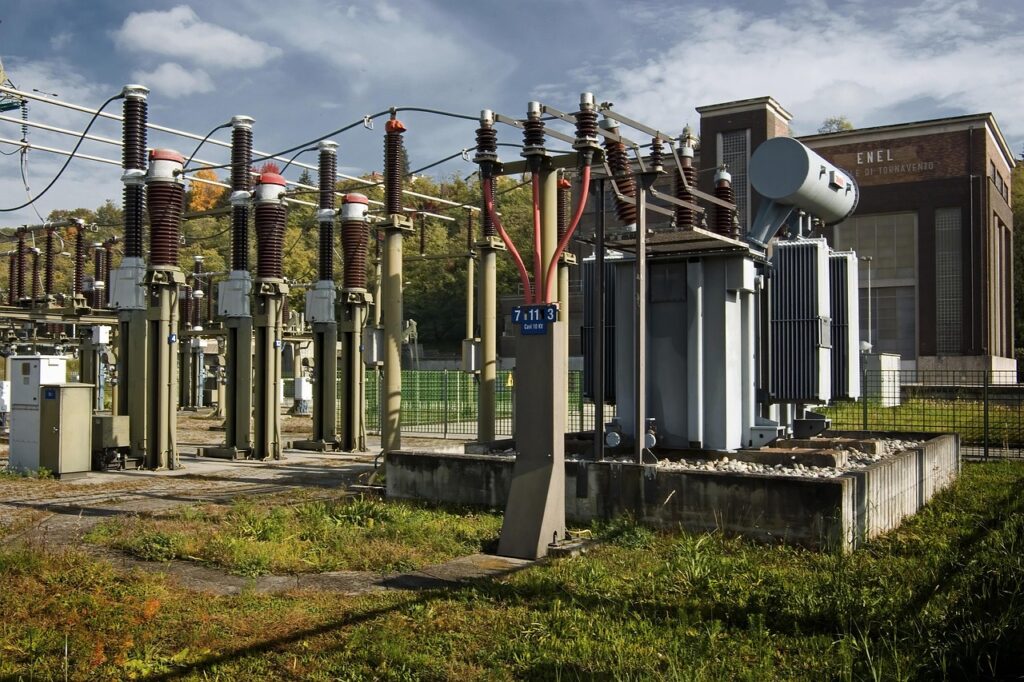
Image: GlobalBeat / 2026
Iran energy crisis: IEA warns global oil shock outpaces 1970s as Tehran defies Trump deadline
Muhammad Asghar | GlobalBeat
Iran rejected demands to curb oil exports as the International Energy Agency said the crisis already exceeded the price swings of the 1973 and 1979 oil shocks.
The agency’s monthly report showed Brent crude futures trading above $92 per barrel for the second straight week, officials said.
President Donald Trump set a 60-day deadline for Iran to accept new nuclear limits or face full sanctions. The period expires on June 21.
Speaking in Tehran, Petroleum Minister Abbas Aliabadi said exports would continue at current levels of 1.7 million barrels per day, Iranian state television reported. “We will not accept unilateral demands that ignore our sovereign rights,” Aliabadi told reporters.
The view matched comments from Foreign Minister Abbas Araqchi, who said Washington had offered no guarantees on sanctions relief even if talks restarted. “The United States wants capitulation, not negotiation,” Araqchi said, according to the official IRNA news agency.
Energy ministers from Gulf producers met in Riyadh to discuss possible output increases to cool prices, a Saudi Energy Ministry statement said. They made no formal pledge, diplomats told Reuters.
At 0923 GMT, Brent futures rose 1.8% to $93.27 per barrel, while US West Texas Intermediate gained 1.9% to $89.84, London’s ICE exchange data showed. Combined gains totaled 13% since Trump’s May 2 ultimatum in the Oval Office.
Unrest in Libya and Nigeria removed 460,000 barrels per day from markets, adding to the outage caused by Iran sanctions, IEA analysts calculated. “The combined supply loss is already larger than during either the 1973 or 1979 shocks,” analyst Toril Bosoni said in a video call.
Israeli officials told the cabinet that Iran’s fleet of tankers sailing under other flags kept deliveries flowing mainly to China, a government source said. Beijing’s customs data for April listed 1.18 million barrels per day from Iran, the highest since January 2023.
TankerTrackers.com confirmed 29 very large crude carriers had left Iranian ports since the ultimatum, carrying a combined 68 million barrels, its satellite analysis showed.
US Energy Secretary Chris Wright said the administration could release more barrels from the Strategic Petroleum Reserve if prices approached $100, he told Bloomberg TV. The reserve held more than 400 million barrels at last count.
Qatar’s Emir Sheikh Tamim bin Hamad Al Thani flew to Washington for talks on liquefied natural gas supply routes to Europe, his office announced. The State Department confirmed meetings with Secretary of State Marco Rubio.
Retail gasoline prices in 104 importing countries averaged $1.52 per liter this week, motoring group AAA reported. The level surpassed the 1979 record when adjusted for purchasing power parity.
The European Commission told member states the bloc can replace 80% of Iranian volumes if Saudi Arabia and the UAE pump above their April baseline, a non-paper seen by GlobalBeat stated.
Economists questioned how long China’s import record could last. Oil demand in Shandong province fell 4% in April after refinery outages, provincial data showed. “If Chinese stockpiles fill, Iran’s discount will need to widen sharply,” Rystad analyst Louise Dickson said.
Background
Iran supplied up to 6 million barrels per day in 1978 before the Islamic Revolution, according to OPEC statistical bulletins. Exports collapsed to 1.3 million in 1980 when war with Iraq started and stayed below 3 million through most of the 1990s.
Sanctions signed by President Bill Clinton in 1996 punished firms that invested in Iranian energy. The European Union joined a wider oil embargo in 2012 under President Barack Obama. A 2015 deal negotiated by Obama relaxed limits in return for nuclear inspections.
President Trump abandoned the accord in 2018 and imposed a “maximum pressure” campaign. Iranian exports dropped to a low of 480,000 barrels per day in 2020. President Joe Biden kept most measures in place even as indirect talks stalled.
What’s Next
Trump aides said Washington will sanction any bank that clears Iranian transactions once the 60-day clock ends. The White House plans to target 17 Chinese, eight Indian and five Turkish lenders, a senior official who requested anonymity told reporters.
JP Morgan analysts forecast Brent could hit $100 if Iran removes 200,000 barrels per day to raise pressure, a research note said. EU diplomats meet in Brussels on June 23 to weigh a gas price cap extension if oil-linked contracts rise further.