Trump says US and Iran have held talks on ‘complete and total resolution of hostilities’ in Middle East
Trump says Washington and Tehran have begun talks aimed at a complete and total resolution of Middle East hostilities.
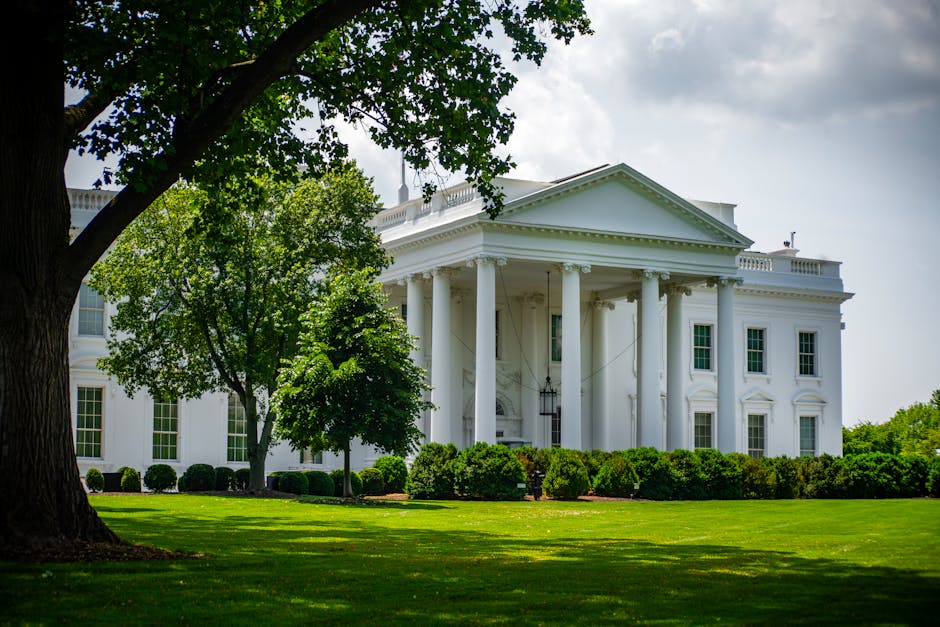
Image: GlobalBeat / 2026
Trump reveals US-Iran talks on ending Middle East hostilities
Byline: Muhammad Asghar | GlobalBeat
Former U.S. President Donald Trump said Washington and Tehran held direct negotiations on a comprehensive Middle East peace settlement.
Trump disclosed the talks during a Fox News interview, marking the first public confirmation of direct U.S.-Iran negotiations under his administration.
The announcement signals a potential shift in U.S. policy toward Iran after years of escalating tensions and economic sanctions. Trump withdrew from the 2015 nuclear deal in 2018 and imposed maximum pressure sanctions on Tehran.
“Iran wants to make a deal,” Trump told Fox News host Sean Hannity. “We’ve had talks about a complete and total resolution of hostilities.”
The former president provided no details on when the discussions occurred, who participated, or what terms were discussed. The Iranian government has not confirmed any recent negotiations with U.S. officials.
Trump claimed Iran’s economy suffered under U.S. sanctions, making Tehran eager for negotiations. “Their GDP went down 25, 30 percent,” he said. “They want to make a deal badly.”
The former president’s comments came days after President-elect Joe Biden takes office. Biden has pledged to rejoin the nuclear agreement if Iran returns to compliance.
State Department officials declined to comment on Trump’s statement. “We do not discuss private diplomatic communications,” a spokesperson said.
Iranian Foreign Minister Mohammad Javad Zarif has previously said Tehran would not negotiate with Washington while sanctions remained. “The U.S. must return to the nuclear deal first,” Zarif told reporters in December.
The 2015 agreement limited Iran’s nuclear program in exchange for sanctions relief. Trump abandoned the deal, arguing it failed to address Iran’s regional activities and missile program.
Since 2018, Iran has gradually violated the agreement’s limits on uranium enrichment. The International Atomic Energy Agency reported Iran now enriches uranium to 20 percent purity, far above the deal’s 3.67 percent cap.
European signatories to the nuclear deal urged both countries to return to negotiations. “We support diplomatic efforts to reduce tensions,” French Foreign Minister Jean-Yves Le Drian said.
Israeli Prime Minister Benjamin Netanyahu opposed any U.S. return to the nuclear agreement. “A bad deal is worse than no deal,” Netanyahu’s office said in a statement.
Gulf Arab states expressed cautious optimism about potential negotiations. “We welcome any efforts to reduce regional tensions,” Saudi Foreign Minister Faisal bin Farhan told reporters.
Background
U.S.-Iran relations deteriorated rapidly during Trump’s presidency. The 2018 sanctions withdrawal started a cycle of escalation that included Iranian attacks on shipping in the Persian Gulf and the 2020 U.S. drone strike that killed Iranian General Qasem Soleimani.
Iran responded to Soleimani’s death by launching ballistic missiles at U.S. bases in Iraq. The attack injured more than 100 American service members but caused no deaths.
The maximum pressure campaign failed to force Iran into new negotiations. Instead, Tehran expanded its nuclear program and regional activities, according to U.S. intelligence assessments.
What’s Next
Biden’s administration faces a narrow window to revive nuclear diplomacy. Iran holds presidential elections in June, and hardliners opposed to U.S. negotiations currently lead opinion polls.
The new administration must decide whether to lift sanctions before Iran scales back nuclear activities, or demand Iranian compliance first. European diplomats shuttle between Washington and Tehran seeking compromise formulas.