Iran War Live Updates: Tehran Fires Missiles at Israel After Trump Claims Progress on Talks
Iran launched missiles at Israel hours after Trump claimed diplomatic progress, raising tensions in the region.
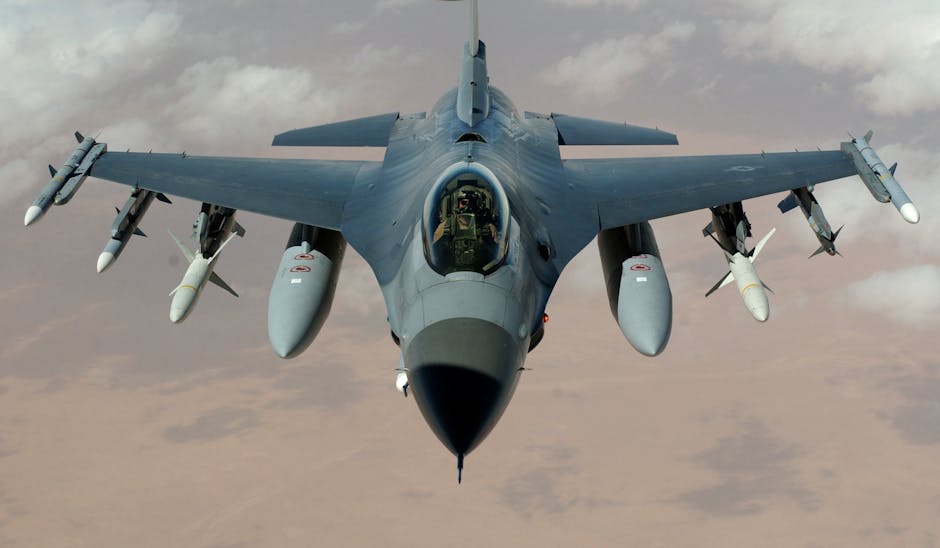
Image: GlobalBeat / 2026
Iran strikes Israel with missiles hours after Trump says Iran talks advance
Muhammad Asghar | GlobalBeat
Iran launched ballistic missiles at Israel late Tuesday, the Israeli military said, hours after former U.S. president Donald Trump claimed negotiations with Tehran were progressing.
The Islamic Revolutionary Guard Corps said it fired dozens of missiles at military targets across Israel, according to state media.
The attack raised immediate fears of a wider regional war after weeks of escalating clashes between Israel and Iranian allies in Lebanon, Syria and Gaza.
Israeli air-defence batteries intercepted “a large number” of projectiles, military spokesman Rear-Admiral Daniel Hagari told reporters. He said impacts were detected in central and southern Israel, but gave no casualty figures. Israeli ambulance services reported at least two people lightly hurt by shrapnel in the Tel Aviv suburb of Ramat Gan.
U.S. National Security Adviser Jake Sullivan said President Joe Biden ordered American warships in the region to help Israel repel the barrage. “U.S. naval destroyers fired interceptors at missiles that posed a threat to Israel,” Sullivan told reporters at the White House.
Tehran said the missile volley, codenamed “Operation True Promise 2”, retaliated for assassinations of Iranian-aligned leaders. “The strike targeted bases from which recent Israeli attacks against Iran and its allies were launched,” the Guards said in a statement carried by Iran’s official IRNA news agency.
Israel had killed Hezbollah leader Hassan Nasrallah in Beirut on Friday and Islamic Revolutionary Guard Corps general Abbas Nilforoushan the same day, according to Israeli officials.
Israeli Prime Minister Benjamin Netanyahu warned Iran would “pay a heavy price” for the attack. “Iran made a big mistake tonight and will pay for it,” Netanyahu said in a videotaped statement issued from a secure bunker. “The regime in Tehran does not understand our determination to defend ourselves.”
Israel’s security cabinet met in emergency session after the barrage, agreeing to “respond at a time and place of our choosing”, Netanyahu’s office said.
President Biden cut short a visit to a campaign office in Pennsylvania to return to Washington. He convened a meeting of the National Security Council, the White House said. Biden later called the Iranian attack “defeated and ineffective” but added that Washington backed Israel’s right to respond.
Oil prices jumped more than 5 percent in Asian trade, with Brent crude surpassing $75 a barrel, before easing slightly. The Israeli shekel slid to a new 8-year low near 3.86 against the dollar, according to central-bank data.
Global airlines extended flight suspensions to Tel Aviv. Delta Air Lines, United Airlines and Lufthansa cancelled all Israel services through at least the weekend, company statements said.
Israel reopened airspace to civilian traffic at 02:30 local time after safety checks, the Israel Airports Authority announced. Explosions had triggered sirens from Tel Aviv to Beersheba, sending hundreds of thousands of Israelis to shelters late Tuesday.
Defence officials said the barrage lasted less than an hour. “Our systems tracked launches from multiple sites inside Iran,” Hagari said. “Most missiles were intercepted outside Israeli territory.”
The military released night-vision videos showing trails of interceptors streaking skywards over Jerusalem. Social-media footage verified by GlobalBeat showed bright flashes above Tel Aviv and a crater beside a highway near the city of Modiin.
Israel’s Home Front Command told residents to stay near shelters, warning that further attacks were possible. “We are not removing restrictions yet,” command spokesman Lt.-Col. Richard Hecht told Army Radio.
Iran’s Foreign Ministry said the action exercised Iran’s “inherent right to self-defence” under the UN Charter. It urged the United Nations to condemn Israeli “aggression” and warned the United States against involvement.
U.S. Defence Secretary Lloyd Austin said American troops remain ready to protect Washington’s interests. “We will not hesitate to take further action as needed,” Austin said in a statement carried by the Pentagon.
Background
Israel and Iran have waged a shadow war for decades, with Israel accusing Tehran of seeking nuclear weapons and of backing armed factions across the region. Talks to revive a 2015 nuclear accord collapsed in 2022. Since then Israel has reportedly attacked Iranian military sites and nuclear facilities, while Iran has supplied drones and missiles to anti-Israel groups.
The two countries traded direct fire once before, in April, when Iran launched more than 300 drones and missiles after an Israeli strike killed Iranian commanders in Damascus. That barrage caused only minor damage and was also largely intercepted by Israel and allied forces.
What’s Next
Israeli officials said the security cabinet authorised Netanyahu and Defence Minister Yoav Gallant to decide the nature and timing of Israel’s response. Analysts expect possible strikes on Iranian oil facilities or nuclear sites. U.S. officials said Washington would consult allies before any joint action but stopped short of endorsing an Israeli strike inside Iran.
Tuesday’s attack deepened regional uncertainty less than four weeks before the U.S. presidential election. Both major American candidates have vowed strong support for Israel, yet they differ on the wisdom of direct conflict with Iran. European governments called for restraint and revived talk of broader sanctions on Tehran, including a possible EU embargo on Iranian oil exports scheduled for discussion at a foreign-ministers meeting on Monday.