Trump news at a glance: Saudi Arabia wants US to intensify its war on Iran
Saudi Arabia urges Trump administration to escalate U.S. military action against regional rival Iran, sources say.
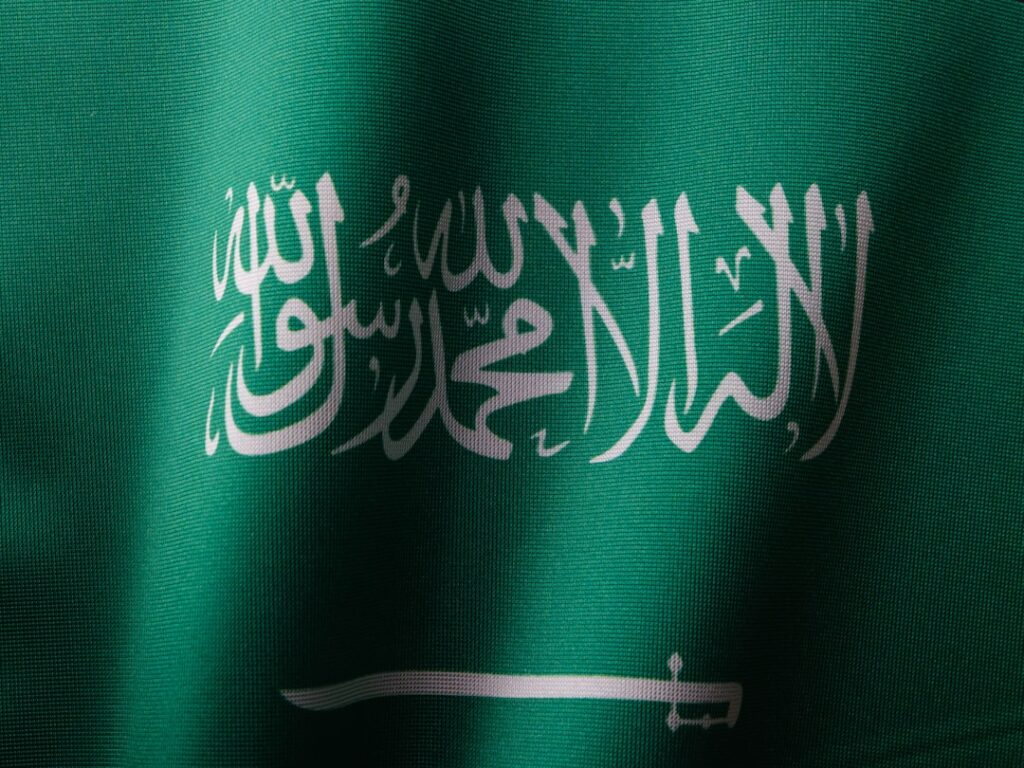
Image: GlobalBeat / 2026
Saudi Arabia urges Trump to escalate Iran military campaign
Muhammad Asghar | GlobalBeat
Saudi Arabia pressed the Trump administration to intensify U.S. military operations against Iran during closed door talks on regional security.
The kingdom’s leadership wants Washington to increase pressure on Tehran beyond existing sanctions, according to senior Gulf officials familiar with the discussions.
Riyadh views Iran as its principal regional rival and has lobbied successive U.S. administrations for tougher action. The request comes amid escalating tensions in the Persian Gulf and recent attacks on Saudi oil facilities that the kingdom blames on Tehran.
Saudi Crown Prince Mohammed bin Salman raised the issue during telephone calls with President Trump in recent weeks, two Saudi officials told reporters. The crown prince argued Iran’s regional influence must be curtailed through expanded military pressure, the officials said.
“The crown prince emphasized Saudi Arabia’s support for stronger U.S. action against Iranian aggression,” one official said. He requested anonymity because the diplomatic exchanges were private.
Trump expressed sympathy for Saudi concerns but gave no commitment to escalate military action, according to U.S. officials briefed on the conversations. The president reiterated his preference for economic pressure over military confrontation, they said.
The White House did not respond to requests for comment on the discussions. The Saudi embassy in Washington declined to comment.
Iran denies involvement in recent attacks on Saudi oil infrastructure and accuses Riyadh of promoting instability across the region. Tehran’s foreign ministry did not respond to questions about Saudi lobbying efforts.
Current U.S. military presence in the Persian Gulf includes an aircraft carrier strike group, Patriot missile batteries, and several thousand troops deployed last year after attacks on oil tankers. That deployment came after previous Saudi appeals for greater U.S. protection.
Saudi Arabia and the United Arab Emirates spent months lobbying Washington for military support following September 2019 drone strikes on Saudi Aramco facilities. The attacks temporarily cut Saudi oil production in half.
Trump approved sending additional troops and military equipment to the kingdom after those incidents. He emphasized the deployment was defensive and said Riyadh would pay for the U.S. presence.
The current Saudi request goes beyond defensive positioning. Crown Prince Mohammed wants Washington to consider offensive operations that could degrade Iran’s military capabilities and regional networks, Saudi officials said.
That position aligns with previous Saudi support for Trump’s 2020 decision to assassinate Iranian general Qassem Soleimani in Baghdad. Riyadh privately welcomed the strike and urged follow-up actions against Iranian targets.
Saudi and Iranian officials held their first direct talks in years during April meetings in Iraq. Those discussions focused on Yemen’s civil war where both countries back opposing sides. The talks produced no breakthroughs.
Regional analysts said the crown prince’s renewed pressure on Washington reflects frustration with limited progress in reducing Iranian influence. “Riyadh wants Iran contained comprehensively, not just managed,” said one Western diplomat.
The Biden administration has offered to resume nuclear talks with Iran. Saudi officials worry any revived deal could limit their input on regional security arrangements and embolden Tehran.
Riyadh prefers maintaining maximum pressure policies initiated under Trump. Those sanctions cut Iranian oil exports to historic lows and crippled its economy. The International Monetary Fund estimates Iran’s economy contracted 6 percent in 2019 amid the restrictions.
Current Iranian oil exports average around 300,000 barrels daily compared to 2.5 million before sanctions, according to tanker tracking data. The revenue loss equals tens of billions in annual income for Tehran’s government budget.
Israel and several Gulf states have cooperated quietly on containing Iran in recent years. That coordination intensified after the 2015 nuclear agreement which Israel and Gulf monarchies viewed as insufficiently restrictive.
Background
Saudi Arabia and Iran have competed for regional influence since Iran’s 1979 Islamic revolution. The rivalry intensified after 2003 when the U.S. invasion of Iraq shifted power toward Iran’s allies in Baghdad.
The two countries back opposing sides in Syria’s civil war and Yemen’s conflict. Saudi Arabia also accuses Iran of supporting Shiite militias in Bahrain and eastern Saudi Arabia.
U.S. military presence in the Persian Gulf dates to the 1980s when Washington pledged protecting oil shipments during the Iran-Iraq war. The relationship deepened after Iraq’s 1990 invasion of Kuwait.
Saudi Arabia hosts around 3,000 U.S. troops at various bases. That number increased by 2,500 after the 2019 Aramco attacks. Additional American forces operate from naval and air facilities across the Gulf region.
What’s Next
Crown Prince Mohammed plans visiting Washington later this year to lobby Trump administration officials directly on Iran policy. His schedule includes meetings at the Pentagon and State Department.
Saudi officials said they expect discussing their Iran concerns at next month’s G20 summit in Riyadh. Trump has confirmed attending the leaders meeting scheduled for November 21-22.
The discussions come as the administration weighs extending a U.N. arms embargo on Iran beyond its October expiration. Russia and China oppose the extension, setting up potential Security Council votes.
Gulf officials say the kingdom’s position on Iran likely features in Trump’s reelection campaign messaging to pro-Israel and evangelical Christian voters. Both groups strongly support aggressive Iran policies.