James Carville makes shocking prediction that Trump’s presidency could end early if Democrats sweep the midterms
Veteran Democratic strategist James Carville warns Trump could face premature removal if Democrats win sweeping midterm victories.
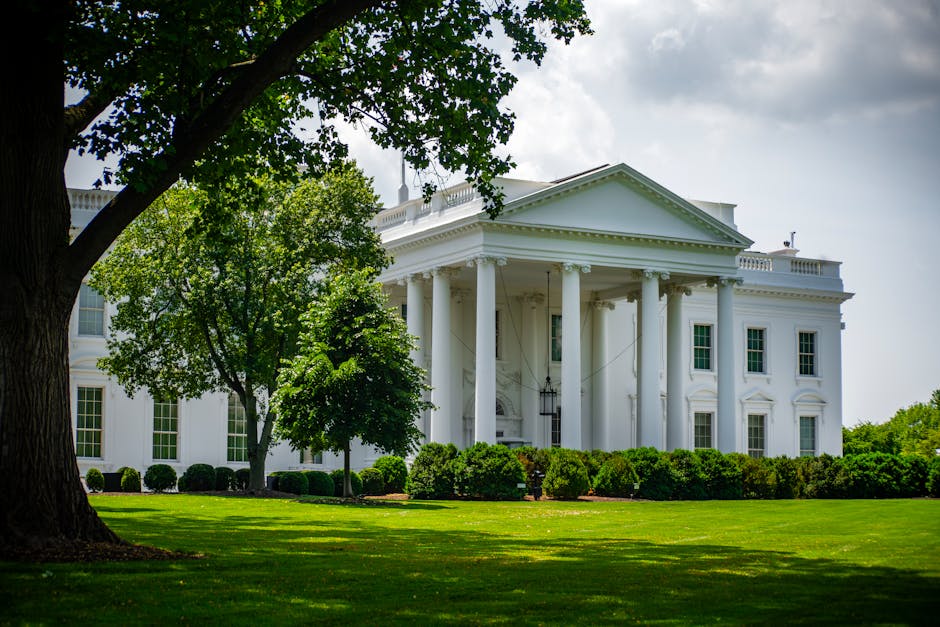
Image: GlobalBeat / 2026
Trump presidency ending early: Carville says massive Democratic midterm sweep could force him out
Muhammad Asghar | GlobalBeat
James Carville predicted Trump could leave office before 2028 if Democrats flip both House and Senate in November.
The Democratic strategist told The Independent that a double-chamber sweep would create “a situation where he might not finish his term.”
Carville spoke after Trump’s approval ratings dipped below 40 percent in key battleground states. Republicans currently hold 220 House seats to Democrats’ 215 with several vacancies.
“Washington changes fast when the numbers turn,” Carville said in the interview published Wednesday. “We’ve seen it before.”
The veteran campaign manager referenced Nixon’s 1974 resignation under congressional pressure. He argued Trump faces mounting legal exposure from ongoing federal investigations.
Carville helped elect Bill Clinton in 1992 and has advised multiple Democratic campaigns. His prediction carries weight among party operatives planning midterm strategy.
Republicans dismissed the scenario as fantasy. “Jim’s been wrong before and he’s wrong now,” Republican National Committee spokesperson Mike Reed told reporters. “President Trump isn’t going anywhere.”
Democrats need to net just 3 Senate seats and 4 House seats to reclaim both chambers. Recent polls show them leading in 8 Senate races and 22 House districts currently held by Republicans.
Trump’s team rejected Carville’s analysis. “More baseless speculation from the same people who said we’d never win in 2016,” campaign communications director Steven Cheung wrote on social media.
The president himself ignored questions about Carville’s comments during a Wednesday appearance at the White House. He focused instead on upcoming trade negotiations with China.
Political scientists expressed skepticism about Carville’s prediction. “Removing a president requires either impeachment and conviction or resignation,” Georgetown professor Mark Rom said. “Both scenarios remain extremely unlikely with Republican senators defending Trump.”
Carville acknowledged the long odds but pointed to Trump’s volatile governing style. “Stranger things have happened in American politics,” he said. “Much stranger.”
Background
Only 3 US presidents have faced serious removal threats before completing their terms. Andrew Johnson survived impeachment by one Senate vote in 1868. Richard Nixon resigned in 1974 after Republican senators abandoned him. Bill Clinton survived impeachment in 1998 despite Republican control of Congress.
Trump himself survived two impeachment trials during his first term. The Senate acquitted him both times with Republicans voting overwhelmingly against removal. Democrats controlled the House during both impeachments but never held the Senate.
Midterm elections traditionally punish the president’s party. The party holding the White House has lost House seats in 17 of the last 19 midterms since World War II. Senate results prove more variable depending on which states hold elections.
What’s Next
Congressional candidates file paperwork for November ballots starting next week in 14 states. Primary elections begin in May with Illinois and North Carolina voting first. Democrats need to defend Senate seats in Montana, Ohio, and West Virginia while targeting Republican-held seats in Texas, Florida, and Maine.
Trump’s legal calendar adds another wildcard. Federal trials related to classified documents and election interference remain scheduled for later this year. Any convictions could shake up the political landscape before November.
Senior Correspondent, World & Geopolitics
Muhammad Asghar covers international affairs, conflict zones, and US foreign policy for GlobalBeat. He has reported on events across the Middle East, South Asia, and Eastern Europe, with a focus on the intersection of diplomacy and armed conflict. He has been writing wire-service journalism for over a decade.