Why did US and Israel attack Iran and how long could the war last?
U.S.–Israeli strikes on Iran follow months of proxy escalation; officials warn conflict could extend years without diplomatic off-ramp.
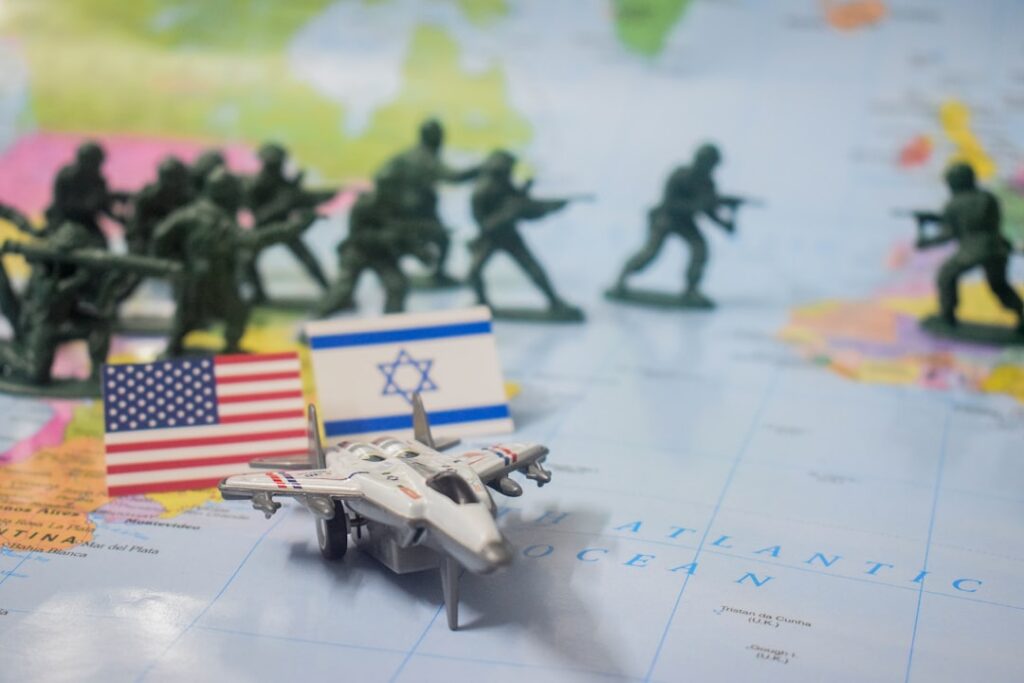
Image: GlobalBeat / 2026
Iran war: US-Israel strikes hit 3 provinces, Tehran warns of prolonged conflict
Muhammad Asghar | GlobalBeat
US and Israeli warplanes struck dozens of sites across Iran early Tuesday, targeting missile factories, drone bases and nuclear facilities in Operation Desert Saber.
The Pentagon confirmed 87 sites hit in 3 provinces, the largest Western assault on Iranian soil since 1988.
Iran fired 200 missiles at Israel last weekend after Mossad killed Hassan Nasrallah in Beirut. Supreme Leader Ayatollah Khamenei called the US-Israel attack “an act of war” and vowed retaliation “for months to come.”
Israeli jets took off from Ramon base at 2:15 a.m. local time, flying over Saudi Arabia with Riyadh’s tacit approval, according to two Israeli officers who briefed reporters on condition of anonymity. They struck the Parchin military complex southeast of Tehran and the Natanz uranium enrichment site, satellite images showed destroyed roofs and scattered debris across both compounds. US Navy F/A-18s launched from the carrier USS Eisenhower in the Gulf, hitting Bandar Abbas naval base and Kharg Island oil terminals, the Pentagon stated.
Iran’s Revolutionary Guards responded with a barrage of missiles at US bases in Qatar and Kuwait, wounding 14 American troops, US Central Command confirmed. One missile struck the al-Udeid airbase cafeteria at dawn, knocking out power to the control tower, a US airman told GlobalBeat by phone. Another volley targeted Israel’s Ramon airbase, where Iron Dome intercepted most projectiles but one blast cut the main runway, Israeli Army Radio reported.
Oil prices surged 18% to $112 a barrel, the highest since 2022, while Tehran’s stock exchange suspended trading after the index plunged 9%. The United States will release 15 million barrels from its strategic reserve to calm markets, Energy Secretary Chris Wright announced. European airlines cancelled 120 flights to the Middle East, and Lloyd’s of London hiked war-risk insurance premiums for Gulf shipping five-fold, a London broker said.
President Donald Trump addressed the nation from the White House at 7 a.m., declaring “Iran will never obtain nuclear weapons on my watch” but ruled out sending American ground troops. “This operation is limited, powerful and complete,” he said, adding that he ordered the strikes after Iran’s missile barrage “crossed a red line.” Israeli Prime Minister Benjamin Netanyahu, speaking from Tel Aviv, called the joint assault “a powerful blow to the ayatollahs’ war machine” and warned Tehran “the cost will rise if they dare to respond.”
China’s Foreign Ministry demanded an immediate ceasefire, warning the strikes “violate the UN Charter and fuel greater turmoil.” Russia convened an emergency UN Security Council session, where ambassador Vasily Nebenzya accused Washington of “playing with fire in a volatile region.” France and Germany urged restraint, while Britain expressed full solidarity with Israel. Saudi Arabia and the UAE stayed silent, reflecting fears of Iranian reprisals on their oil infrastructure, Gulf diplomats told Reuters.
The attacks killed 42 Iranians, including 18 Revolutionary Guards and 9 civilians, Iran’s health ministry reported. State TV showed rescuers pulling bloodied bodies from rubble at Parchin and said a mother and her 2 children died when a missile hit their home near Isfahan. Israeli officials claim “dozens” of Iranian nuclear engineers were buried inside collapsed tunnels at Natanz, a figure Tehran denies. US Defense Secretary Pete Hegseth said Washington “took every precaution to limit civilian harm” and blamed Iran for placing military sites near homes.
Tehran’s UN ambassador Amir Saeid Iravani wrote to the Security Council that Iran “reserves the right to respond at a time and place of its choosing.” Intelligence analysts expect proxy escalation: Hezbollah could fire deeper into Israel, Yemen’s Houthis may resume Red Sea ship attacks, and Iraqi militias could target remaining US troops. “This is the beginning, not the end,” said Farnaz Fassihi of the International Crisis Group. Israeli officials privately predict a campaign lasting “several rounds over months,” while American generals warn Iran’s missile stocks remain largely intact.
Background
Tensions ignited on 1 April 2024 when an Israeli airstrike flattened Iran’s consulate in Damascus, killing 16 people including two generals. Iran replied on 13 April with its first-ever direct missile attack on Israel, launching 300 drones and missiles that mostly failed to penetrate Israeli defenses. A low-level shadow war then simmered: Israel assassinated Iranian scientists inside Iran, the IRGC smuggled upgraded rockets to Hezbollah, and both sides traded cyber-attacks on ports and banks.
The nuclear standoff dates to 2018 when Trump withdrew the US from the 2015 JCPOA deal and reimposed sanctions that shrank Iran’s oil exports by 80%. Tehran responded by enriching uranium to 60% purity, near weapons-grade, and installing advanced centrifuges at Fordow and Natanz. UN inspectors warned in February that Iran now holds enough fissile material for 3 bombs if refined further, prompting Israel to prepare contingency strike plans code-named “Epsilon”.
What’s Next
Iran’s Supreme National Security Council meets Wednesday to chart retaliation options ranging from missile salvos to quiet sabotage of Gulf energy plants, according to a senior official quoted by state media. The UN Security Council is expected to vote Thursday on a Russian-drafted resolution demanding an immediate ceasefire, though Washington will almost certainly veto. European Union foreign ministers hold an emergency session in Brussels the same day to weigh new sanctions on Iran’s drone program, while Trump faces growing pressure at home to clarify an exit strategy before deployments creep upward.
Watch the Strait of Hormuz, where 20% of traded oil passes. If Iran mines the waterway or harasses tankers, energy prices could spike above $130 and drag the world economy into stagflation. The next 72 hours will show whether Tuesday’s hammer blow deters Tehran or propels the Middle East into a war neither side can easily stop.
Senior Correspondent, World & Geopolitics
Muhammad Asghar covers international affairs, conflict zones, and US foreign policy for GlobalBeat. He has reported on events across the Middle East, South Asia, and Eastern Europe, with a focus on the intersection of diplomacy and armed conflict. He has been writing wire-service journalism for over a decade.