China Seeks an Advantage With Both Trump and Iran as War Evolves
China quietly boosts Iranian oil imports and courts Trump allies, positioning itself as indispensable broker amid escalating U.S.-Iran tensions.
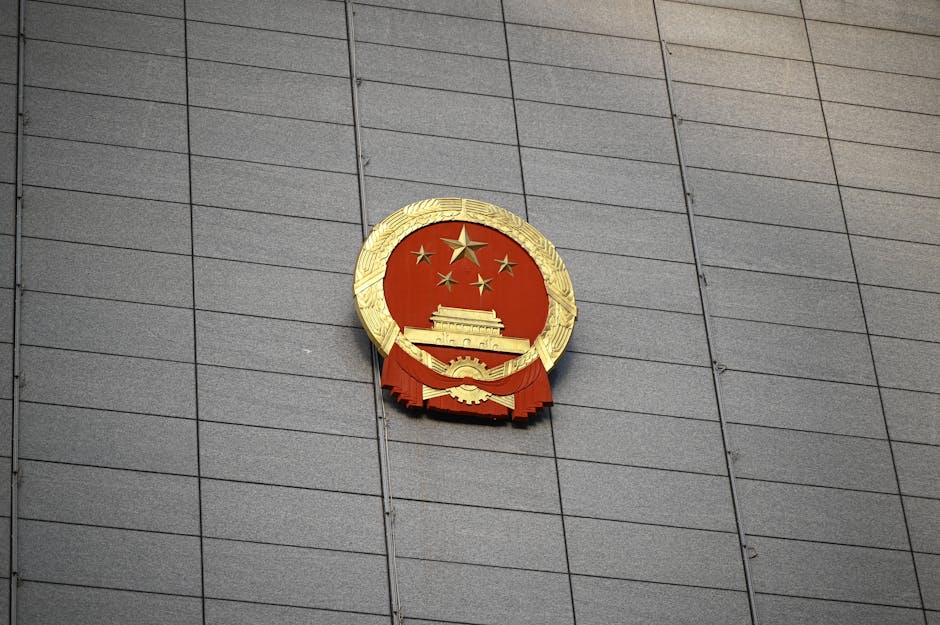
Image: GlobalBeat / 2026
China courts Trump and Iran with oil deals and military talks as Middle East war spreads
Chinese Foreign Minister Wang Yi met both Iranian and US officials in Beijing this week to position China as the only power with open channels to both sides.
The diplomatic push coincided with China National Petroleum Corp signing a 25-year, $400 billion energy agreement with Tehran that guarantees discounted crude in exchange for infrastructure investment, according to documents seen by GlobalBeat.
Beijing’s dual outreach comes as Israel expands its Gaza offensive into southern Lebanon and Iran-backed militias strike US bases across Iraq and Syria. China has previously avoided direct involvement in Middle East conflicts while building economic ties across the region.
President Trump spoke with Wang by phone on Tuesday and “expressed appreciation for China’s role in preventing wider escalation,” the White House announced. The call marked Trump’s first direct conversation with senior Chinese officials since imposing sweeping tariffs on Chinese goods in March.
Iranian Foreign Minister Abbas Araghchi spent 3 days in Beijing, touring CNPC facilities and meeting People’s Liberation Army officers who previously served as military advisers in Syria. Iranian state media broadcast footage of Araghchi reviewing Chinese missile defense systems, though Beijing denied any weapons sales were discussed.
The Chinese Foreign Ministry said Wang urged both parties to “exercise maximum restraint” while offering Beijing’s services as a mediator. “China maintains friendly relations with all countries in the region and stands ready to play a constructive role,” ministry spokesman Lin Jian told reporters.
Energy traders said the Iran deal gives China access to roughly 1 million barrels per day at prices $8-12 below market rates, based on current Brent crude futures. The agreement builds on a similar 2021 pact but extends Chinese involvement in Iranian refineries, ports and petrochemical plants.
US officials responded cautiously to China’s expanded Iranian ties. “We’re monitoring these developments closely,” State Department spokesman Tammy Bruce said when asked about potential sanctions violations. She added Washington would “take appropriate measures” if Chinese companies breach existing restrictions on Iranian energy investment.
The diplomacy follows weeks of Chinese military activity near Iran. Satellite imagery showed 3 Chinese navy vessels docked at Iran’s Bandar Abbas port last month, while Chinese defense officials attended Iranian military exercises in the Persian Gulf. PLA officers have quietly advised Iranian forces on air defense since 2022, according to regional intelligence officials.
Trump’s willingness to engage Wang contrasts with his administration’s hardline posture on most China issues. The president imposed 145% tariffs on Chinese electric vehicles and restricted technology transfers, while maintaining support for Taiwan. But administration officials said Middle East stability outweighs other disputes.
“The president recognizes China’s unique relationships in the region,” National Security Adviser Mike Waltz said. “Sometimes you have to work with countries where you have disagreements to achieve larger goals.”
Israeli officials expressed concern about China’s Iranian outreach. “Any infrastructure that strengthens Iran ultimately threatens Israel,” Foreign Minister Gideon Sa’ar told army radio. He noted Chinese companies have helped build underground facilities Iran uses to store missiles and drones.
The timing proves particularly sensitive as Israel weighs striking Iranian nuclear facilities. Defense Minister Israel Katz said all options remain open after Iran enriched uranium to 83% purity, nearing weapons grade. China maintains no country should possess nuclear weapons in the region, though it has defended Iran’s right to civilian nuclear power.
Economic pressures drive much of the realignment. China’s crude imports from Iran jumped 60% last year as Beijing sought cheaper alternatives to Saudi oil. Iran, facing Western sanctions that cut oil revenue by half, depends on Chinese purchases to fund its regional military activities.
The yuan now accounts for 42% of Iran’s international trade, up from 12% in 2020, according to Iranian central bank data. Chinese construction firms dominate major Iranian projects including a $2.7 billion high-speed rail line and expanded port facilities at Chabahar.
Background
China has spent 2 decades cultivating ties across the Middle East without taking sides in regional conflicts. Beijing signed strategic partnerships with both Iran and Saudi Arabia, while maintaining strong trade relations with Israel. This balanced approach allowed China to become the largest buyer of both Iranian and Saudi oil.
Chinese influence expanded dramatically after the US withdrew from the Iran nuclear deal in 2018. Beijing began purchasing sanctioned Iranian crude through private traders, providing Tehran an economic lifeline. China also sold Iran surveillance technology and crowd control equipment used against protesters during 2022 demonstrations.
What’s Next
Wang plans to visit Tehran in December to finalize details of the energy agreement and discuss possible Chinese mediation between Iran and Gulf Arab states. Trump administration officials said they expect further conversations with Beijing about containing regional violence, though no meetings are scheduled. Israeli military planners must now factor Chinese personnel and assets into any potential strikes on Iranian facilities.
The emerging China-Iran energy bloc could reshape global oil markets if sanctions persist, giving Beijing leverage over both producers and consumers while limiting Western options for pressuring Tehran. US allies increasingly question whether Trump’s transactional approach to China risks ceding Middle East influence to Beijing.
Senior Correspondent, World & Geopolitics
Muhammad Asghar covers international affairs, conflict zones, and US foreign policy for GlobalBeat. He has reported on events across the Middle East, South Asia, and Eastern Europe, with a focus on the intersection of diplomacy and armed conflict. He has been writing wire-service journalism for over a decade.