Republicans ‘concerned’ after Trump threatens to withdraw more US troops from Germany
Republicans expressed concern after Trump floated pulling more U.S. troops from Germany, warning it could embolden Russia and strain NATO.
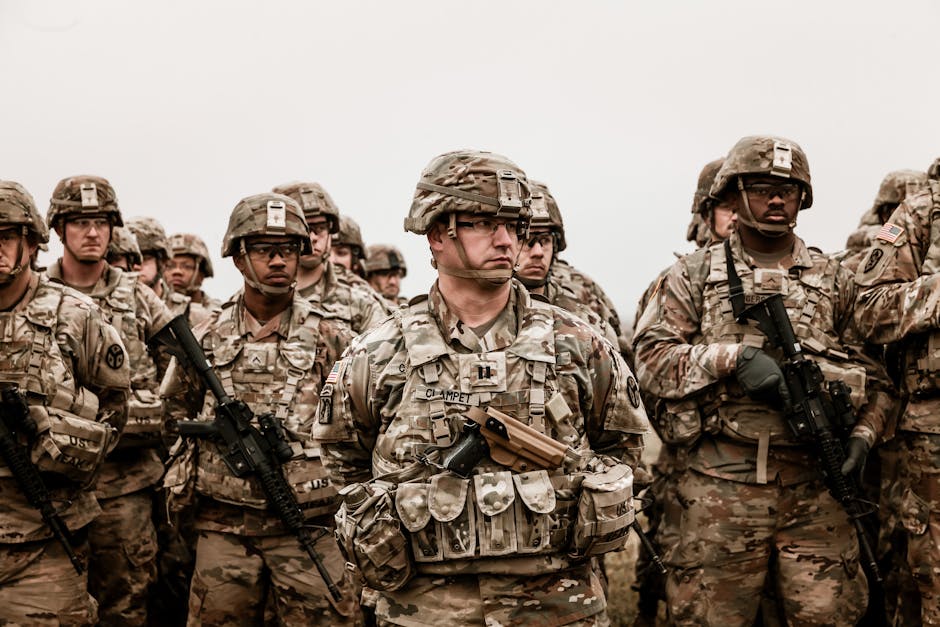
Image: GlobalBeat / 2026
Trump troops Germany withdrawal: Republicans warn new cuts weaken NATO’s eastern flank
Muhammad Asghar | GlobalBeat
Republican senators expressed alarm Tuesday after President Trump signaled plans to pull thousands more troops from Germany.
Senator Roger Wicker said the White House briefed lawmakers that up to 10,000 of the 35,000 remaining soldiers could leave by fall.
The move would reverse a 2021 agreement that froze Trump’s earlier drawdown at 25,000 and comes weeks before NATO holds its first European summit since Russia’s full-scale invasion of Ukraine. Germany hosts the alliance’s largest logistics hub for arms flowing to Kyiv, and commanders warn any sudden cut would scramble supply lines.
Defense Committee member Joni Ernst told reporters she is “very concerned about hollowing out our deterrence.” Senator Thom Tillis said Republicans sent Trump a letter urging him to “pause and consult” before issuing orders. The frustration is bipartisan. Senator Jeanne Shaheen said the planned reduction “plays directly into Putin’s playbook.”
Trump floated deeper cuts Sunday while railing against Berlin’s defense spending, which slipped to 1.2 percent of GDP this year. “We’re not going to keep paying to protect rich countries that don’t pay,” he told a rally in Ohio. The White House declined to confirm numbers but said “all options are on the table to achieve burden-sharing.”
Any reduction would hit Bavaria hardest. Roughly 5,000 soldiers from the Army’s 2nd Cavalry Regiment are based in Vilseck, where local mayor Hans Schuierer said property prices and consumer spending “would crater” if the unit relocates. The region already lost 1,500 posts when Trump moved a field artillery brigade to Belgium in 2020.
Commanders worry the cut would kneecap the new NATO force model agreed last year. The plan counts on a 300,000-strong rapid-reaction reserve and pre-positioned U.S. equipment in Münster and Grafenwöhr to reinforce the Baltic states within 10 days. “You can’t move heavy armor from Texas faster than from Bavaria,” a senior NATO planner said, requesting anonymity because no order has been signed.
Berlin reacted coolly. Defense Minister Boris Pistorius told Bild the decision “would be regrettable” but stressed Germany is boosting its own Bundeswehr to 203,000 troops by 2030. Chancellor Friedrich Merz echoed that Europe “must take more responsibility” yet warned against “unilateral steps in the middle of a war.”
Polish leaders seized on the rift. Prime Minister Donald Tusk repeated an offer to host U.S. divisions permanently, tweeting that Warsaw already meets the 3 percent GDP defense benchmark. Estonia’s defense chief said Baltic states would seek emergency U.S. deployments “elsewhere on the eastern flank” if Germany’s footprint shrinks.
Industry is calculating the cost. Rhineland contractors deliver $2.3 billion in annual fuel, food and housing services to U.S. garrisons, according to the Bavarian industry group vbw. A 10,000-troop cut could erase 6,000 German jobs, the Cologne Institute for Economic Research estimated.
Background
Trump first ordered a 12,000-soldier cut in 2020, calling Germany “delinquent” on military outlays. The plan stalled after Joe Biden froze the move in 2021 and instead added 2,000 troops to Germany as reassurance after Russia massed forces near Ukraine. Congress later codified a 35,000-floor requirement in the annual defense bill, but the president can waive it on grounds of national interest.
Germany has hosted a major U.S. presence since 1945. At the Cold War peak in 1989 more than 250,000 American soldiers were stationed there. The numbers fell to 70,000 by 2010 as forces pivoted to the Middle East. Ramstein Air Base remains the headquarters for U.S. air operations in Europe and Africa.
What’s Next
Senate Republicans will press the issue when Defense Secretary Pete Hegseth testifies before the Armed Services Committee next week. Lawmakers are expected to propose an amendment blocking funding to move troops out of Germany unless the Pentagon certifies the cut won’t harm NATO deterrence, mirroring a 2020 measure that delayed Trump’s prior drawdown.
The episode underscores Republican unease with Trump’s transactional stance on alliances at a moment when battlefield momentum in Ukraine is slowing. Whether the president softens the order will hinge on whether European capitals pledge faster increases in defense budgets before the NATO summit in The Hague this June.
Senior Correspondent, World & Geopolitics
Muhammad Asghar covers international affairs, conflict zones, and US foreign policy for GlobalBeat. He has reported on events across the Middle East, South Asia, and Eastern Europe, with a focus on the intersection of diplomacy and armed conflict. He has been writing wire-service journalism for over a decade.