Live updates: Iran war, heavy bombardment in Tehran as conflict expands
Explosions rock Tehran in escalating Iran war as regional powers exchange heavy fire.
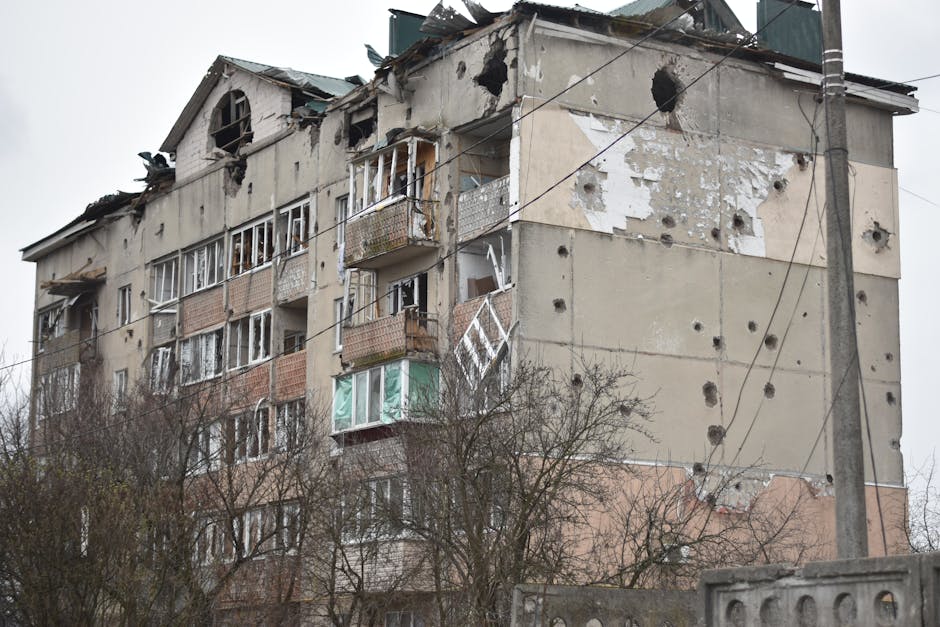
Image: GlobalBeat / 2026
Iran war hits Tehran with heaviest bombing since conflict began
Muhammad Asghar | GlobalBeat
Israeli jets struck central Tehran with massive airstrikes overnight, the first time Iran’s capital has faced bombardment since the regional conflict expanded.
The attack damaged buildings within 3 km of the parliament complex and killed at least 17 people, according to Iranian state media.
Iran’s missile barrage against Israel last week triggered the assault, marking a dangerous escalation between the two longtime enemies. Previous fighting had stayed inside Israel’s borders or targeted Iranian forces in Syria.
Smoke rose above Tehran’s northern districts at dawn as emergency crews pulled bodies from collapsed structures in the Zaferanieh neighborhood, state television showed. The assault continued for 90 minutes with waves of strikes hitting military sites across the city.
“This is only the beginning,” Israeli military spokesperson Rear Admiral Daniel Hagari told reporters at 3 a.m. local time. He said the operation targeted Iran’s nuclear program infrastructure and missile production facilities hidden throughout the capital.
Iran’s Revolutionary Guard confirmed that the Kirshak military base in eastern Tehran suffered direct hits. The compound houses research centers connected to Tehran’s ballistic missile development program, Western intelligence agencies have previously reported.
Regional airlines diverted flights away from Iranian airspace as explosions rocked the city. Dubai-based carriers Emirates and flydubai suspended all Iran routes indefinitely, company spokespeople announced.
The Tehran strikes followed Israel’s public warning that Iran’s October 1 missile attack against Israeli territory had crossed “all red lines.” Those Iranian missiles damaged Israeli military bases and killed 2 civilians, according to Israeli authorities.
Iranian state television broadcast frantic scenes from hospitals where medical staff treated wounded civilians. The death toll reached 17 with another 43 injured, Iran’s emergency services director Pirhossein Kolivand stated.
Supreme Leader Ayatollah Ali Khamenei was moved to a secure location before the bombing began, according to two Iranian officials who spoke on condition of anonymity. The 85-year-old leader had been scheduled to address religious students in Tehran on Wednesday morning.
International condemnation arrived quickly. Saudi Arabia called for an immediate ceasefire, while Turkey warned the conflict threatened to spin “completely out of control.” European Union foreign policy chief Josep Borrell demanded both sides halt military operations.
The White House said President Donald Trump was monitoring developments from the Situation Room. Washington had received advance warning of the Israeli operation but did not participate directly, according to a senior administration official who requested anonymity.
Tehran’s international airport remained closed with all commercial flights grounded. The bombing damaged the main highway connecting the airport to downtown, stranding hundreds of travelers who had arrived on late-night flights before the assault began.
Financial markets reeled from the escalation. Brent crude surged past $95 per barrel in Asian trading, its highest level since 2022. The spike threatens to push American gasoline prices above $4 per gallon during the peak driving season.
Local residents described panic as explosions shook their homes. “We ran to the basement with our children when the first bombs hit,” said Tehran shop owner Reza Ahmadi, 42. “Nobody expected they would dare strike the capital itself.”
Iran’s military response remained unclear. The Revolutionary Guard said it had fired air defense missiles at attacking aircraft but acknowledged “some enemy planes managed to penetrate our airspace.” Iran claimed to have shot down 3 Israeli jets, though Israel denied losing any aircraft.
Background
Israel and Iran have fought a shadow war across the Middle East for decades, previously keeping direct confrontations limited to Syrian territory or through proxy forces. The conflict exploded into open warfare after Iran’s October 1 missile barrage against Israel, which Tehran said responded to Israeli assassinations of Iranian military commanders in Syria.
The two nations have viewed each other as existential threats since Iran’s 1979 Islamic Revolution. Israel considers Iran’s nuclear program the gravest threat to Jewish survival since the Holocaust, while Iranian leaders have repeatedly called for Israel’s destruction and funded anti-Israel militant groups across the region.
What’s Next
Iran’s supreme national security council planned an emergency meeting Wednesday afternoon to determine retaliation options, according to state media reports. Israeli officials told reporters they expected Iranian missile strikes against Israeli cities within 48 hours and had positioned air defense systems accordingly.
Oil markets will track whether Iran attempts to block the strategic Strait of Hormuz, through which 20 percent of global oil supplies pass. Iranian military officials have previously threatened to close the waterway if Israel attacks Iranian territory directly.
The overnight bombing shattered assumptions that Tehran remained beyond Israel’s military reach. With both nations now striking each other’s capitals directly, diplomats struggled to identify any remaining escalation barriers before full-scale regional war engulfs the world’s most oil-dependent region.
Senior Correspondent, World & Geopolitics
Muhammad Asghar covers international affairs, conflict zones, and US foreign policy for GlobalBeat. He has reported on events across the Middle East, South Asia, and Eastern Europe, with a focus on the intersection of diplomacy and armed conflict. He has been writing wire-service journalism for over a decade.