Iran says US has responded to its latest peace proposal
Iran said the U.S. replied to its latest peace proposal, without detailing Washington’s position.
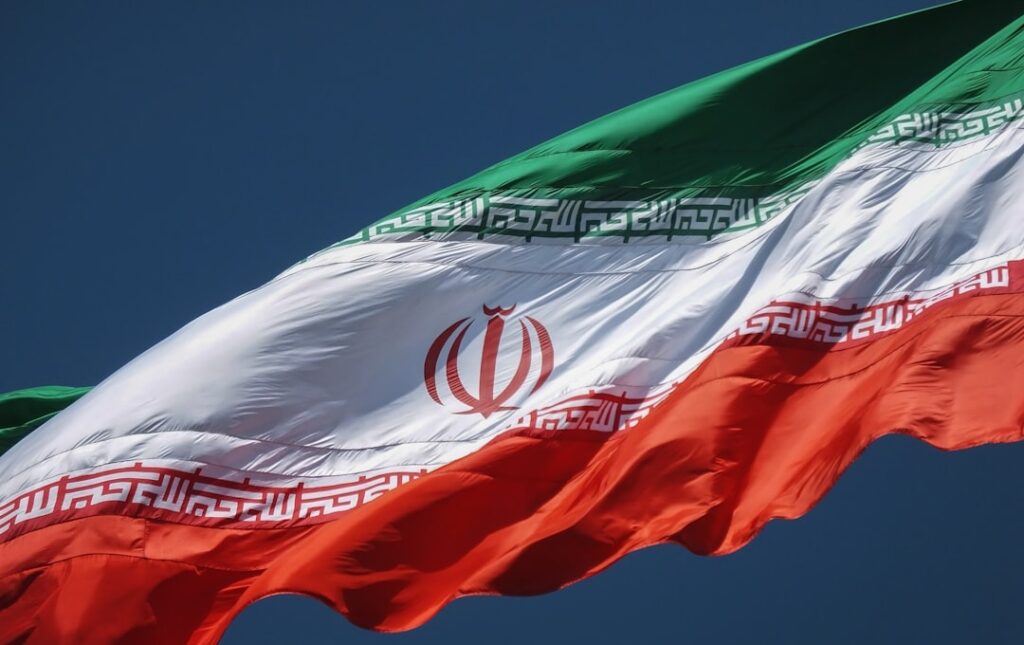
Image: GlobalBeat / 2026
US Iran talks move forward as Tehran confirms American response received
Muhammad Asghar | GlobalBeat
Tehran confirmed early Tuesday that U.S. diplomats have replied to its latest proposal aimed at curbing Iran’s nuclear program.
The Foreign Ministry offered no details on the content of the American message.
The acknowledgment, issued in a two-line statement carried by state media, ends a three-week silence that had fueled speculation the indirect exchange had stalled. President Donald Trump has warned he will use military force if negotiations fail to produce “a bulletproof deal” before the end of the year.
Washington and Tehran have bargained through Oman and Qatar since March after Trump returned to office pledging to tighten the 2015 accord he once abandoned. Iran enriched uranium to 60 percent purity last month, a level the United Nations says leaves it weeks from weapons-grade material if it chose to build a bomb.
Foreign Minister Abbas Araghchi told reporters the reply “will be studied carefully” and promised an answer “within days.” The U.S. State Department declined to comment, referring questions to the White House, which did not respond to messages seeking confirmation.
Body
Officials in both capitals have warned they expect progress before the U.N. General Assembly opens on Sept. 15, when Trump is scheduled to address world leaders. European diplomats briefed on the talks said the U.S. side pressed for stricter inspection rules and a longer timeline for sanctions relief, conditions Iran previously rejected as “humiliating.”
Israeli Prime Minister Benjamin Netanyahu repeated his demand that any agreement outlaw Iranian enrichment outright. “Partial limits are worthless,” he told a closed cabinet meeting leaked to Israeli Army Radio. “We need full dismantlement, not another cosmetic delay.”
Oil markets reacted calmly. Brent crude slipped 37 cents to $74.12 a barrel in London trading, shrugging off fears of a supply disruption in the Strait of Hormuz where a fifth of seaborne oil transits. Analysts said investors are wagering the two sides will extend talks rather than risk open conflict weeks before the U.S. midterms.
Iran’s currency, the rial, strengthened marginally to 610,000 against the dollar on the unofficial market, still 30 percent weaker than before Trump imposed banking sanctions in 2017. Importers in Dubai reported Tehran has quietly restarted small oil sales to China through front companies, generating roughly $1 billion a month in hard currency.
The Pentagon kept two B-52 bombers in the region after a previously planned deployment was extended “for deterrence,” Capt. Bill Urban, a Central Command spokesman, told reporters. Satellite images published by the private firm Planet Labs showed a second U.S. guided-missile destroyer entering the Gulf last weekend, bringing the American naval presence there to five warships.
Inside Iran, hard-line lawmakers urged the government to reject further concessions. “We did not sacrifice our youth to surrender now,” MP Mojtaba Zolnour, head of parliament’s nuclear committee, wrote on the social platform X. His faction staged a symbolic walkout Tuesday when an aide to President Masoud Pezeshkian tried to brief them on the diplomatic contents.
The talks revolve around a draft that would cap enrichment at 5 percent, ship out most stockpiled uranium and freeze advanced centrifuge work in return for phased sanctions relief. Diplomats say the U.S. wants a two-step process: partial waiver first, full removal only after Congressional review, a condition Tehran fears could be reversed by the next administration.
Background
The 2015 Joint Comprehensive Plan of Action limited Iran to 3.67 percent enrichment for 15 years in exchange for lifting oil, banking and shipping sanctions. Trump withdrew in 2018 and re-imposed penalties, arguing the deal failed to cover missiles or regional militias. Iran responded by breaching caps step-by-step until it exceeded 60 percent in 2021.
Indirect negotiations under President Joe Biden lasted 16 months without revival. European mediators then warned Iran had enough fissile material for several bombs if enrichment continued. Trump, returning to office in 2025, ordered a carrier group to the region and threatened “bombing the likes of which they have never seen” unless diplomacy restarted.
What’s Next
Omani officials expect Iran to deliver a counter-proposal by Saturday, triggering a possible ministerial meeting in Muscat early next week. Failure to narrow gaps could push Trump to activate a “snapback” of all U.N. sanctions when the Security Council convenes in late September.
Senior Correspondent, World & Geopolitics
Muhammad Asghar covers international affairs, conflict zones, and US foreign policy for GlobalBeat. He has reported on events across the Middle East, South Asia, and Eastern Europe, with a focus on the intersection of diplomacy and armed conflict. He has been writing wire-service journalism for over a decade.