Iran war live: Pakistan shares US demands with Tehran
Pakistan delivered U.S. demands to Tehran amid rising Middle East tensions, sources tell Reuters.
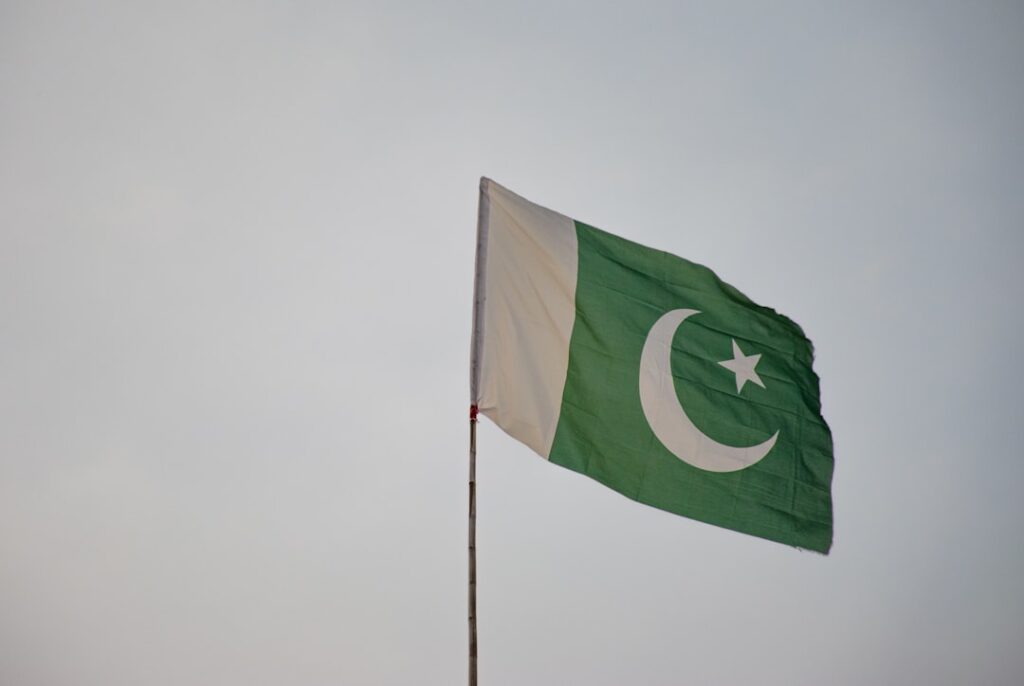
Image: GlobalBeat / 2026
Iran war: Pakistan delivers Trump demands to Tehran
Pakistani officials relayed U.S. demands to Iran’s government on Tuesday after Washington requested Islamabad act as intermediary.
The diplomatic outreach came as tensions escalated amid reports of U.S. military preparations, according to two Pakistani officials familiar with the discussions.
Pakistan’s military leadership agreed to convey American messages to Tehran after receiving a formal request from Washington, the sources told GlobalBeat. The development marked a rare instance of direct communication between the adversaries.
U.S. officials pressed Pakistan to deliver specific demands while offering no commitment to de-escalate military pressure, one official said.
The Pakistani-brokered contact represented the first known diplomatic channel between Washington and Tehran since President Trump returned to office. Previous direct negotiations collapsed in 2018 after the U.S. withdrew from the nuclear agreement.
Pakistani Prime Minister Shehbaz Sharif authorized the diplomatic relay after meeting with army chief General Asim Munir on Monday, officials confirmed. The civilian government consulted military leaders given Pakistan’s security interests along Iran’s eastern border.
Tehran received the American demands through Pakistan’s ambassador to Iran on Tuesday morning, Iranian state media reported. The diplomatic note contained unspecified conditions related to Iran’s nuclear program and regional activities.
Iran’s Foreign Ministry spokesman Esmaeil Baghaei told reporters Tehran would respond “through appropriate channels” after reviewing the demands. He provided no timeline for a formal reply.
The Pakistani government maintained its traditional position of facilitating dialogue between opposing parties, Foreign Ministry officials said. Islamabad previously mediated between Washington and Beijing during diplomatic tensions.
U.S. Central Command declined to comment on reports of military planning against Iranian targets. Pentagon officials referred questions to the State Department, which neither confirmed nor denied the diplomatic outreach.
Regional governments expressed alarm at the deteriorating situation. Saudi Arabia’s foreign minister contacted both Washington and Tehran urging restraint, diplomats said. The kingdom feared military conflict would disrupt oil shipments through the Strait of Hormuz.
Qatar offered to host negotiations between the parties, according to foreign ministry officials in Doha. The Gulf state previously mediated U.S.-Iran talks during the original nuclear negotiations.
Background
U.S.-Iran relations deteriorated sharply after Washington withdrew from the Joint Comprehensive Plan of Action in May 2018. President Trump reimposed economic sanctions that had been lifted under the nuclear deal, targeting Iran’s oil exports and banking sector.
The two nations approached military conflict multiple times during Trump’s first term. In January 2020, a U.S. drone strike killed Iranian General Qasem Soleimani in Baghdad. Iran responded by launching ballistic missiles at American bases in Iraq, injuring over 100 U.S. service members.
What’s Next
United Nations Secretary-General Antonio Guterres planned to dispatch envoys to Washington and Tehran by week’s end, diplomats said. European powers scheduled an emergency meeting of the U.N. Security Council for Thursday to address the growing crisis.
Oil prices climbed 4% on Tuesday amid concerns about potential supply disruptions. Brent crude futures reached $79 per barrel, the highest level since November, as traders factored in possible Iranian retaliation against regional energy infrastructure. Markets remained volatile pending further diplomatic developments and any military movements by either side.