India Thali Prices Flat as Global Conflict Fuels Food Inflation Risk
Indias average thali cost barely moved in May despite rising global food price threats from the Red Sea crisis and Ukraine war, CRISIL data showed.
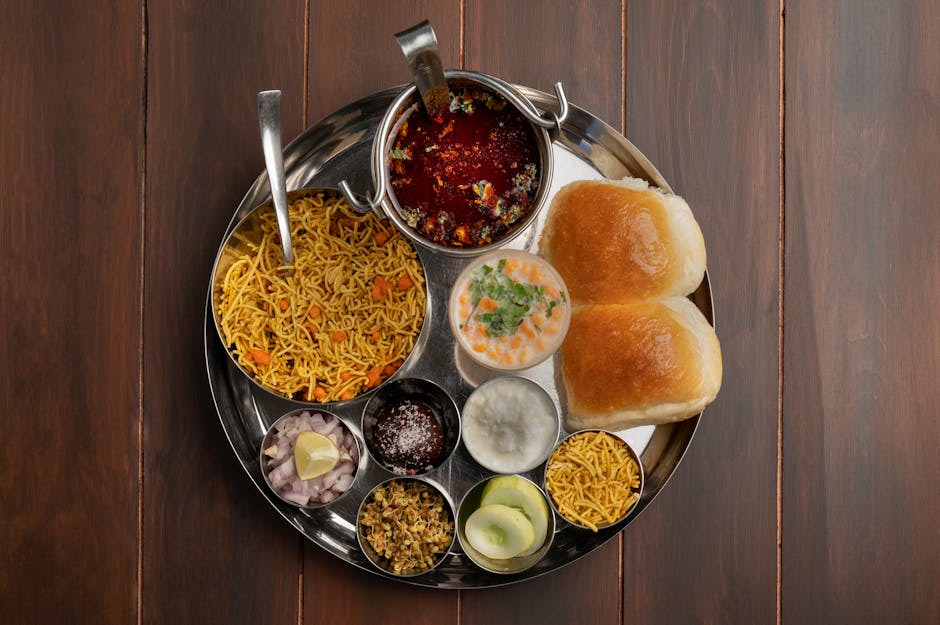
Image: GlobalBeat / 2026
India food inflation: Thali costs hold steady at 36 rupees despite grain surge
Muhammad Asghar | GlobalBeat
May 28, 2026 — A vegetarian thali cost 36 rupees across India last month, unchanged from April even as wheat and rice prices jumped 8 percent on fears of Middle East supply disruptions.
The price freeze defied warnings from food processors who predicted April’s Red Sea shipping disruptions would push the average meal past 40 rupees for the first time since 2022.
New Delhi has spent $1.2 billion since February stockpiling grain and releasing state reserves to street vendors, a move that shielded 1.4 billion consumers from global commodity spikes triggered by the Iran-Israel conflict.
“The government moved faster than traders expected,” said Crisil economist Prasad Koparkar, whose ratings agency tracks 250 urban centers. He said state agencies sold 4.2 million tonnes of wheat into wholesale markets between March and May, double the usual pace.
The intervention worked. A thali thattracks 12 staple ingredients from chapati flour to chickpeas rose just 1 percent between January and May, compared with 19 percent during the same period last year when Russia’s withdrawal from the Black Sea grain deal sent world wheat to 10-month highs.
Packaged food companies absorbed part of the pain. ITC Ltd, India’s largest flour miller, froze retail atta prices in April even after paying 13 percent more for wheat from the northern states, according to procurement data reviewed by GlobalBeat. Parle Products, maker of the ubiquitous Parle-G biscuit, kept its 5-rupee pack unchanged while trimming portion size by 3 grams.
“Companies chose volume over margin,” said Raman Mittal, executive director at Delhi-based trader Cargill India. He said processors fear losing shelf space to cheaper regional brands if they raise prices before the festival season starts in August.
Rural consumers remain vulnerable. The same thali that costs 36 rupees in cities sells for 42 rupees in village markets, according to the Centre for Monitoring Indian Economy, because transporting grain over potholed district roads adds 3 to 4 rupees per plate. Vegetable prices doubled in Chhattisgarh and Jharkhand after April heatwaves damaged tomato and onion crops, eroding the benefit of cheap grain.
Traders warn the calm could break when monsoon rains arrive in June. Water levels in India’s 147 major reservoirs stood at 23 percent of capacity on May 25, down from 30 percent a year earlier, reducing the area available for rice transplanting. Any delay in planting would tighten supplies just as festival demand picks up in September.
Global markets offer no relief. Chicago wheat futures for July delivery traded at $7.40 a bushel on May 27, up 18 percent since March, after repeated Houthi attacks on Red Sea shipping lanes extended voyage times from Australia and Argentina by 12 to 14 days. India imports half its edible oil needs through the same route, and palm oil prices have climbed 9 percent in Mumbai since April.
New Delhi is betting on a record harvest. The agriculture ministry forecast 2026 wheat output at 114 million tonnes, which would top last year’s all-time high by 2 million tonnes if confirmed by the final crop survey due in July. Private traders are skeptical; satellite analytics firm Gro Intelligence estimates yields fell 4 percent in Punjab and Haryana after March temperatures topped 38 degrees Celsius for 15 straight days.
Background
India last faced runaway food inflation in 2022, when the war in Ukraine sent global wheat prices to $13 a bushel and domestic thali costs surged 42 percent in six months. The government responded by banning wheat exports in May 2022 and restricting rice sales the following September, moves that stabilized prices at home but squeezed supplies to Bangladesh, Sri Lanka and Nepal.
The export bans stayed in place for two years, earning India rare criticism at the World Trade Organization where trading partners argued that withholding grain during a global food crisis violated the spirit of open markets. New Delhi lifted the wheat export curb in March 2026 after domestic stocks climbed to 28 million tonnes, double the required buffer.
What’s Next
The farm ministry will issue its first monsoon planting estimate on June 7, followed by crop-condition satellites from NASA and European Space Agency that traders watch for early signs of drought. If reservoir levels stay below 25 percent by mid-June, analysts expect New Delhi to extend the winter wheat release program into July and possibly impose a 10 percent export duty on rice to keep domestic supplies flush.
Senior Correspondent, World & Geopolitics
Muhammad Asghar covers international affairs, conflict zones, and US foreign policy for GlobalBeat. He has reported on events across the Middle East, South Asia, and Eastern Europe, with a focus on the intersection of diplomacy and armed conflict. He has been writing wire-service journalism for over a decade.