Iran War Live Updates: Deadline Passes for U.S. Blockade in Strait of Hormuz
U.S.-led naval blockade in Strait of Hormuz remains in effect after Iran-set deadline expires without reported clashes, officials say.
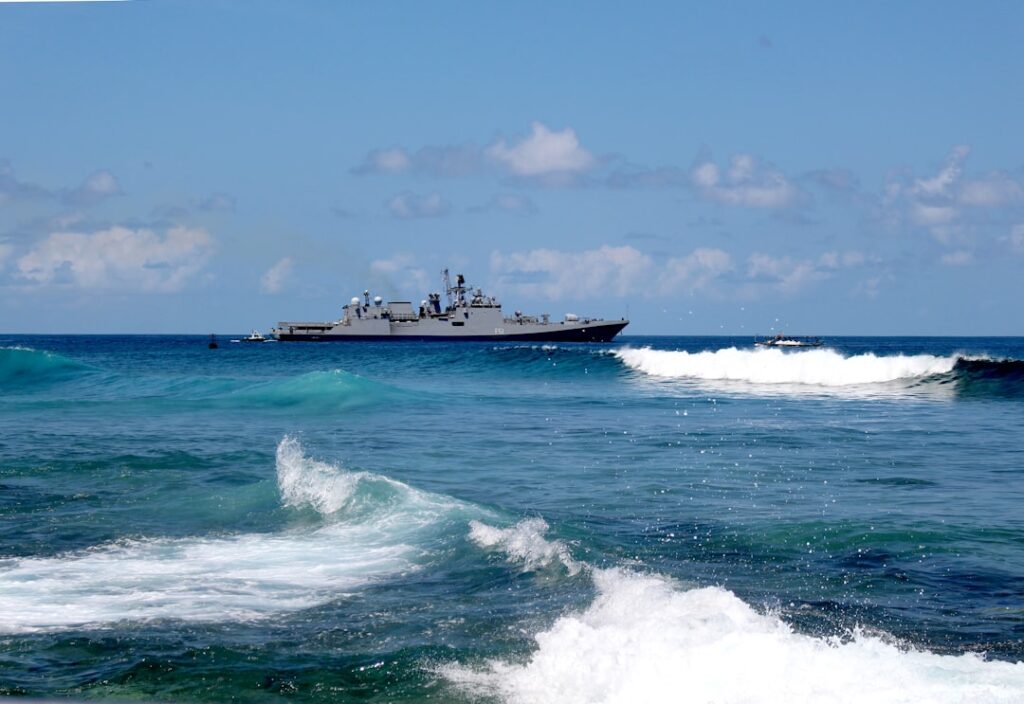
Image: GlobalBeat / 2026
Iran war deadline expires: US ships brace for Hormuz blockade clash
Muhammad Asghar | GlobalBeat
The ultimatum Washington gave Tehran to lift its naval obstruction of the Strait of Hormuz lapsed at 06:00 GMT.
Iranian Revolutionary Guard fast boats kept weaving between tankers three hours later, US Central Command confirmed.
A fifth of the world’s traded oil normally squeezes through the 21-mile-wide channel. Brent crude leapt to $98 a barrel, its highest since last October, while Lloyd’s insurers slapped a “breach premium” on every vessel scheduled to transit.
President Donald Trump met Defence Secretary Tulsi Gabbard and national-security adviser John Bolton in the Situation Room shortly after sunrise, White House spokesperson Karoline Leavitt told reporters. She released no decision but warned that “all tools remain on the table.”
On the water, the aircraft carrier USS Harry S. Truman and its strike group held position just outside Iranian territorial seas. A second carrier, USS Dwight D. Eisenhower, steamed north through the Arabian Sea and is expected within 180 miles tonight, according to ship-tracking data the Pentagon made public.
Iran’s Revolutionary Guard navy commander, Rear-Admiral Alireza Tangsiri, broadcast a statement on state TV saying the strait is “under our legal watch” and vowed to “confront any transgression with iron fists.” He gave no orders to withdraw the 14 patrol craft that have shadowed commercial traffic since Monday.
Oil markets reacted instantly. Brent futures for June delivery spiked 12 percent in the first hour of London trading. Goldman Sachs warned clients that a sustained closure could push global prices above $130 within weeks. Saudi energy officials told Reuters they can reroute some exports through the kingdom’s Red Sea terminals, but at most 3 million barrels per day—one quarter of Hormuz volumes—can be redirected.
European capitals urged restraint. European Union foreign policy chief Kaja Kallas said Brussels wants “maximum diplomatic engagement” and has asked UN Secretary-General António Guterres to convene the Security Council. Britain’s Keir Starmer called the situation “deeply dangerous” in a statement released by Downing Street, adding that Royal Navy destroyer HMS Diamond “stands ready to protect UK shipping.”
Japan and South Korea, both major importers, dispatched envoys to Washington. Tokyo’s chief cabinet secretary Yoshimasa Hayashi told reporters Japan keeps 240 days of strategic reserves “but price shocks still threaten our fragile recovery.” Seoul activated emergency credits worth $2 billion to help refiners, Yonhap news agency reported.
Tehran insists the naval squeeze is retaliation for last week’s Israeli air raid that killed 7 Iranian military advisers outside Damascus. Iranian state radio repeated claims—denied in Washington—that the Truman group helped coordinate the strike. The White House labelled the accusation “absurd propaganda,” Leavitt said.
Commercial shippers face an immediate choice: wait or take the long way. A supertanker carrying 2 million barrels of Kuwaiti crude signalled “目的地未定” (destination undecided) off Oman, MarineTraffic data showed. Freight rates for the largest tanker class soared to $120,000 a day, four times last week’s level, according to Baltic Exchange figures released Tuesday morning.
Insurance executives called the situation effectively a blockade. “If underwriters class the strait as a listed area, vessels can’t enter without government convoy,” S&P Global maritime analyst Fotios Katsoulas noted. The entry of US warships could provide a “layer of cover,” he added, but carriers will still demand war-risk premiums topping $750,000 per transit.
Washington’s demands were delivered Sunday evening through the Swiss embassy that handles US interests in Iran. State Department spokesperson Tammy Bruce read the note on camera: “Tehran must permit free navigation without delay, condition, or harassment.” Iran’s foreign ministry published an overnight reply vowing “reciprocal action” until Washington “ends complicity in Israeli aggression.” The exchange left no diplomatic wiggle room.
Background
The 1982 UN Convention on the Law of the Sea gives Iran sovereign rights up to 12 nautical miles off its coast but recognises a transit passage corridor through Hormuz where ships may not be impeded. Washington never ratified the treaty yet cites its norms to justify “freedom of navigation” patrols that have sailed quarterly since 2015.
Iran previously threatened to close the chokepoint in 2019 after Trump, then in his first term, re-imposed sanctions on Iranian oil exports. Mines damaged six tankers that summer; Tehran denied responsibility. The US later launched a maritime coalition escorting commercial vessels, a program that eased only when Biden took office in 2021.
What’s Next
Officials in Washington expect a decision within 12 hours on whether US destroyers will physically escort tankers through Iranian-claimed waters, a move that would force direct contact with Revolutionary Guard patrols. Tehran has scheduled large-scale air-defence drills for Thursday, raising the risk of miscalculation if American aircraft enter nearby skies.
The first convoy could sail as early as tonight. If Iran backs down, insurers predict premiums may normalise within days. If shooting starts, energy analysts warn global gasoline prices could jump another 30 cents a gallon by the US summer driving season.
Senior Correspondent, World & Geopolitics
Muhammad Asghar covers international affairs, conflict zones, and US foreign policy for GlobalBeat. He has reported on events across the Middle East, South Asia, and Eastern Europe, with a focus on the intersection of diplomacy and armed conflict. He has been writing wire-service journalism for over a decade.