Iran war live: Tehran slams Trump’s threats over Strait of Hormuz closure
Iran warned the U.S. against blocking its oil exports after Trump threatened Tehran over any effort to close the Strait of Hormuz.
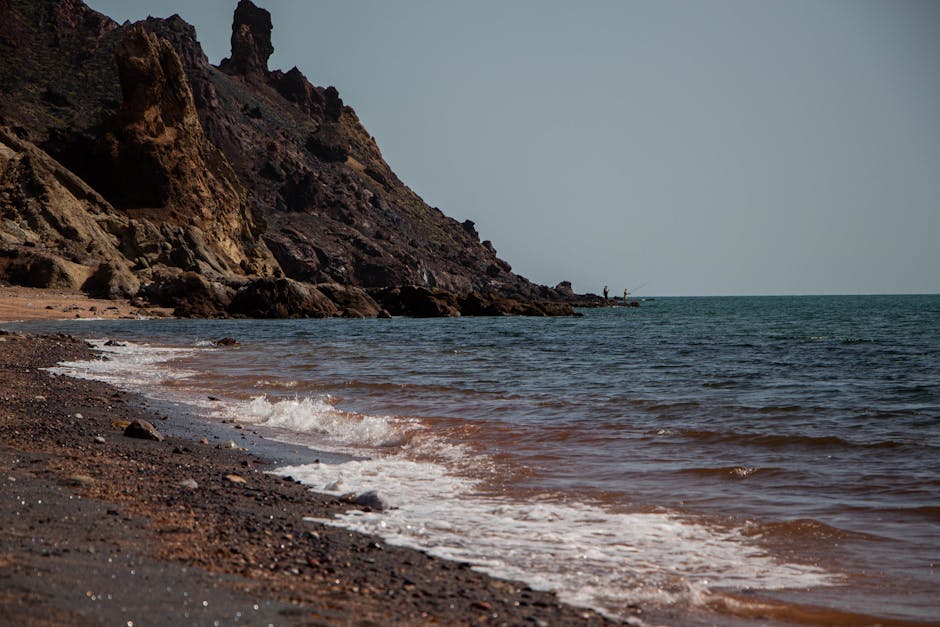
Image: GlobalBeat / 2026
Iran Strait Hormuz: Tehran hits back after Trump vows force to keep waterway open
By Muhammad Asghar | GlobalBeat
Iranian leaders warned Washington on Saturday they would “respond decisively” to any U.S. attempt to reopen the Strait of Hormuz by force, hours after President Donald Trump said the Navy was ready to blast through an Iranian blockade.
Foreign Minister Abbas Araghchi called Trump’s threat “illegal and reckless,” state TV reported, and told reporters that Iran had already seeded the 21-mile chokepoint with “thousands of smart sea mines” designed to sink tankers that ignore Tehran’s new transit ban. The Islamic Revolutionary Guard Corps put patrol boats on wartime footing and flew drones low over two Marshall Islands-flagged tankers, forcing them to turn back toward the Gulf of Oman, ship-tracking data showed.
One fifth of the world’s seaborne oil normally passes through the narrow channel. Brent crude surged 18 percent to $112 a barrel after Trump’s televised remarks, the biggest one-day jump since the 2022 Ukraine invasion. Insurance brokers in London said underwriters had imposed an effective moratorium on covering any vessel bound for the Gulf, pushing Asian refiners to tap emergency stockpiles.
Trump spoke from the Roosevelt Room on Friday evening, flanked by Defense Secretary Mike Waltz and the Joint Chiefs chairman. “The Strait is not Iran’s pond,” the president said. “If they close it, we will open it — with whichever tools are required.” He did not rule out preemptive strikes on coastal missile batteries but added that “a strong coalition of navies” would escort commerce. Britain and France issued brief statements backing freedom of navigation yet stopped short of pledging warships; a German spokesman said Chancellor Friedrich Merz would review options “in the coming week.”
The showdown follows a week of Israeli sabotage inside Iran that killed at least 17 Revolutionary Guards at missile depots near Bandar Abbas, according to Iranian media. Tehran blamed “U.S. intelligence support” for the raids and announced on Thursday that all vessels linked to Israel, the U.S. or Britain must stay out of the Gulf. The order sent insurance costs for a single suezmax tanker above $1 million per voyage, shipowners told Reuters.
Inside Iran, Friday prayers became rallying events for hard-liners who chanted “Hormuz is our gut.” Parliament speaker Mohammad Baqer Qalibaf said closing the strait was “the minimum punishment” for Western sanctions that have choked Iranian oil exports to 650,000 barrels a day, down from 2.5 million in 2018. Videos shared by activists showed long queues at Tehran petrol stations as motorists rushed to fill tanks before possible rationing.
Washington has imposed new sanctions on every Iranian port operator and the central bank governor, freezing any dollar assets they hold. Treasury Secretary Scott Bessent said the measures would “shut off the regime’s ability to ship a single barrel.” But China, the largest buyer of discounted Iranian crude, brushed off the penalties. Foreign ministry spokesman Lin Jian reiterated Beijing’s call for calm and confirmed a 1-million-tonne Iranian cargo was discharging at Zhanjiang port under radar silence.
Shipping sources said at least 14 tankers carrying 24 million barrels of crude, diesel and naphtha were idling outside the strait on Saturday, creating a backlog visible from space. One Greek captain radioed that his vessel heard explosions “about 4 miles to starboard” near Qeshm Island; the U.S. Navy’s Fifth Fleet later said Iran had scuttled an old barge as a signal, not a mine-layer.
Background
The Strait of Hormuz has been a flashpoint since 1980, when Iraq and Iran began attacking tankers during their eight-year war. In 1988 the U.S. Navy destroyed two Iranian oil platforms and sank a warship after an American frigate hit a mine. Tehran again brandished the “closed-strait” threat in 2012 and 2019, each time letting patrol boats harass commercial traffic without fully blocking the lane. Previous closures lasted hours, not days, because Iran’s own oil exports depend on the same waterway.
Oil markets have usually absorbed brief scares, but analysts say today’s standoff is different: Trump is pledging to restore Iranian crude to zero, while Israel continues sabotage raids inside Iran that could provoke wider retaliation. A sustained shutdown could remove 16 million barrels a day from the market, enough to push global prices above $150 and trigger U.S. gasoline rationing, according to RBC Capital.
What’s Next
Iran’s navy is scheduled to begin a three-day exercise dubbed “Mighty Velayat” on Sunday, practicing missile launches toward a dummy U.S. carrier. The Ronald Reagan strike group is already in the northern Arabian Sea; the Pentagon said destroyers would “transit the strait in regular rotation” starting Monday. Diplomats at the United Nations expect a closed Security Council session early next week, though Russia and China are likely to block any statement critical of Iran.
Senior Correspondent, World & Geopolitics
Muhammad Asghar covers international affairs, conflict zones, and US foreign policy for GlobalBeat. He has reported on events across the Middle East, South Asia, and Eastern Europe, with a focus on the intersection of diplomacy and armed conflict. He has been writing wire-service journalism for over a decade.