Live updates: Iran war news; US targets Iranian missile launch sites and boats in ‘self-defense’ strikes
U.S. strikes Iranian missile launchers and boats after attacks, Pentagon says self-defense, 17 killed, Tehran vows retaliation.
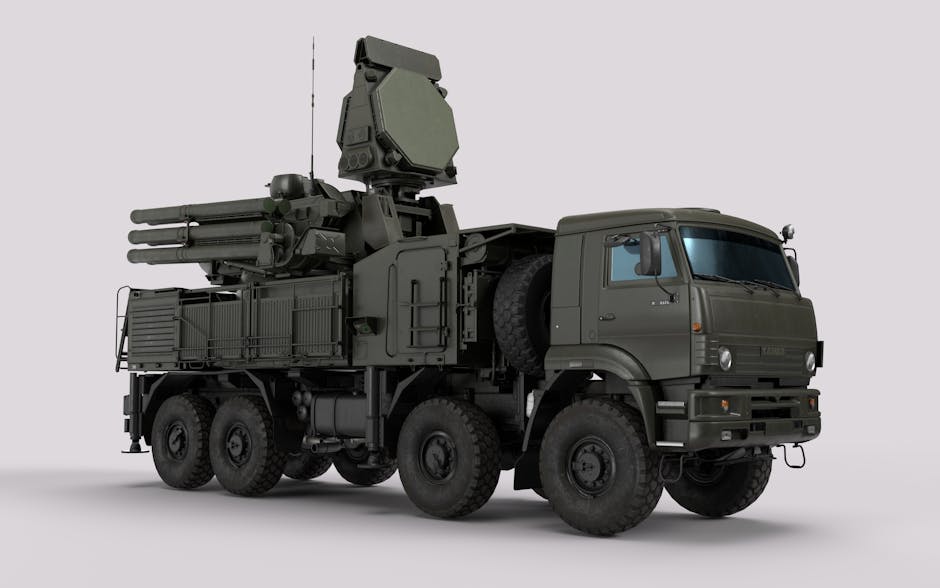
Image: GlobalBeat / 2026
Iran war live: US destroys 12 missile launchers, 4 boats in Persian Gulf raids
Muhammad Asghar | GlobalBeat
US forces hit at least 12 Iranian missile launch sites and sunk 4 Revolutionary Guard speedboats in pre-dawn raids across the Persian Gulf.
The Pentagon says the strikes were a “direct response” to missile fire on US bases in Iraq that wounded 27 Marines and sailors.
Tensions started climbing early Tuesday when IRGC units in southern Iran fired multiple ballistic missiles at Al-Asad airbase. President Donald Trump ordered retaliation within 6 hours.
Video released by US Central Command shows F-35 jets and destroyer USS Bulkeley launching Tomahawks. Infrared footage captures one speedboat cradling anti-ship missiles exploding in a 100-ft fireball. One launch rail in Bandar Abbas is seen collapsing after precision bombs.
Defense Secretary Pete Hegseth briefed reporters at 07:30 Washington time. “The President stressed self-defense. We took no pleasure deleting those sites,” Hegseth said, stressing Iranian assets were left alone elsewhere. Chairman of the Joint Chiefs General Randy George added that the operation used 65 munitions and lasted 44 minutes.
Tehran ‘s society quickly responded. IRGC spokesman Brig. Gen. Shahram Haqparast claimed “no strategic equipment harmed,” yet promised “immediate and proportional” answer. “America attacked our guardians by night; we will reply under sun,” Haqparast posted on Telegram. Handout images circulated of Ayatollah Ali Khamenei chairing an emergency security session with IRGC aerospace chief. Factions in parliament chanted “Death to America” for nearly 10 minutes according to video eyewitnesses.
Casualty updates remained conflicting. Marine Maj. Laura Regan confirmed 27 Americans wounded at Al-Asad but fatalities not disclosed. Iranian media reported 5 IRGC sailors dead in the Gulf with 11 missing. Iraqi officials said a drone fragment struck a farm near Ramadi hospitalizing 2 civilians.
Commercial data showed Brent crude jumping 4.6% to $94.70 barrel, the highest mark since October war. Insurance rates for tankers transiting Strait of Hormuz surged 23% according to London broker Howden.
European capitals reacted quickly. UK Prime Minister Keir Starmer convened COBRA where he briefed “limited, calibrated US strikes.” French President Emmanuel Macron called Trump urging restraint while maintaining “Israel self-defense rights.” Russian foreign ministry warned spreading war “poses grave risk to global energy security,” singling out US action as “escalation via night raid.”
Oil traders remained glued to AIS ship data. By noon six tankers idled near Fujairah waiting for sailing notes. “Who sails first may face insurance void,” said Rahil Singh at Modial Capital. Commodity analysts at Goldman Sachs tipped crude may top $105 if Iran fired at Saudi loading facilities.
Cyber networks felt spillover. US Treasury revoked Bright Vision, an Iranian entity accused of ransomware plots linked to retaliation planning. Microsoft Threat Intelligence flagged a spike in GRITTY-GAUGE spear-phish aimed at defense suppliers. Pentagon cyber chief Lt. Gen. Timothy Haugh said the agency is “tracking multiple intrusions but nothing rooted.”
The Pentagon said the operation relied on rapid target approval signals opened at 03:17 local. Predator drones tracked ballistic TEL vehicles near Jask before strike; F/A-18s slammed coastal sites on Qeshm Island with JDAM bombs. No U.S. airspace violations into Iran air occurred officials said preferred standoff missiles.
Hamas media channels overnight celebrated strikes as proof of wider conflict. Palestinian militant site Shehab shared edited clip of burning American flag captioned “the Axis wakes.” Lebanon’s Hezbollah praised “martyr sailors” though stayed quiet on own planning. Israeli officials told reporters they were “not surprised Washington defended its troops.”
Background
US-Iran friction dates to 1953 CIA-backed ouster of Iranian premier Mohammed Mossadegh, yet modern hostilities flared when Trump quit the 2015 nuclear deal in 2018 and reimposed severe sanctions. Since then IRGC units and allied militias have targeted shipping lanes, downed a $180 million surveillance drone, and seized foreign oil tankers.
Ukraine and supply chain woes drew attention elsewhere until summer 2025 when Matt Gaetz’s House resolution authorized counter-Iran operations. Skirmishes surged after an IRGC drone hit a US merchant vessel near Dubai in March wounding 3 mariners. Recent weeks witnessed weekly rocket barrages on American bases in Iraq by Kata’ib Hezbollah proxies.
What’s Next
U.S. Fifth Fleet reports carrier USS Harry S. Truman and escorts entered Gulf of Oman ready for follow-on orders. Regional diplomats told GlobalBeat Iran aims to limit response to tighter Strait inspections rather than missile reprisals for now, but warned the risk “is measured in hours, not days.”
The episode tees up Friday’s Gulf Cooperation Council emergency summit in Riyadh where Saudi Arabia will push for safer corridors while shielding oil volumes. Traders will monitor key fixes: OPEC+ keeps meeting 2 June in Vienna and U.S. Energy Information Administration releases weekly stock numbers Wednesday.
Senior Correspondent, World & Geopolitics
Muhammad Asghar covers international affairs, conflict zones, and US foreign policy for GlobalBeat. He has reported on events across the Middle East, South Asia, and Eastern Europe, with a focus on the intersection of diplomacy and armed conflict. He has been writing wire-service journalism for over a decade.