Trump says Iran talks could resume ‘over next two days’ as US says ships turned back by blockade
Trump says Iran talks could restart within 48 hours as U.S. reports ships deterred by Houthi blockade.
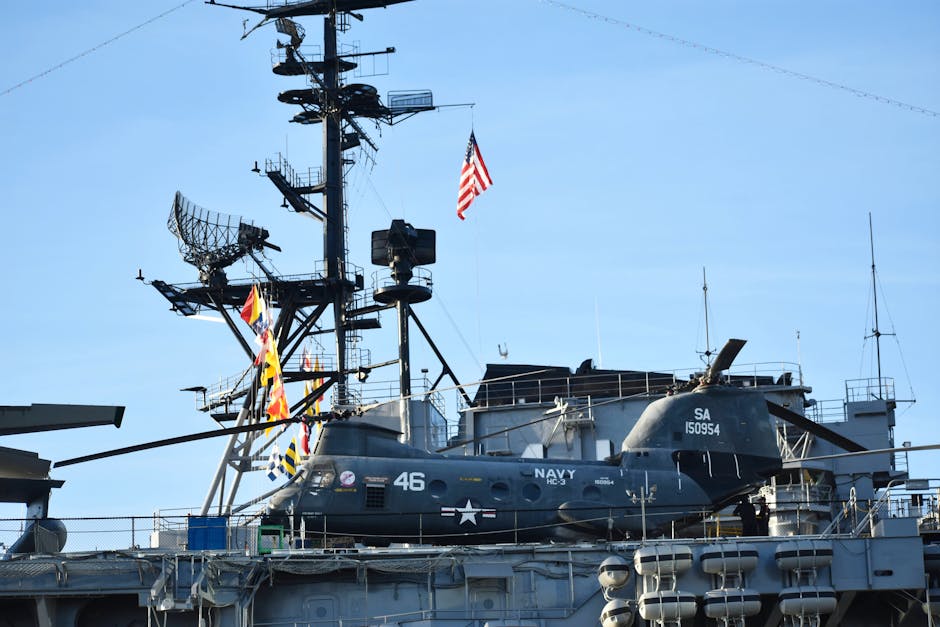
Image: GlobalBeat / 2026
Trump Iran talks: President claims negotiations could restart within 48 hours as US Navy turns back Iranian vessels
Muhammad Asghar | GlobalBeat
President Donald Trump said talks with Iran could resume “over the next two days” as US officials announced naval forces turned back multiple Iranian ships attempting to breach a maritime blockade.
The announcement came after US Navy vessels intercepted 4 Iranian commercial ships in the Strait of Hormuz early Tuesday, according to Pentagon officials who said the vessels were escorted away without incident.
The twin developments marked a potential shift after months of rising tensions that saw the US reinforce its military presence in the Gulf region. Trump has previously threatened military action against Iranian nuclear facilities if diplomacy fails.
“We’re looking at something over the next two days. It could happen,” Trump told reporters at the White House when asked about possible negotiations with Tehran. The president offered no details on what form talks might take or which Iranian officials would participate.
The naval incident occurred around 6 a.m. local time when US destroyers detected the Iranian vessels approaching a restricted zone established by American forces, according to Defense Department spokesperson Major Pete Nguyen. He said the ships reversed course after radio warnings.
“The Iranian vessels were monitored throughout the transit and complied with international law by altering their route,” Nguyen said at a Pentagon briefing. He declined to specify what cargo the ships carried or their intended destination.
Iran’s foreign ministry did not immediately respond to requests for comment on either the potential talks or the maritime encounter. State media in Tehran made no mention of the ship incident in their Tuesday broadcasts.
The Gulf confrontation represents the first significant naval interaction between the two countries since January, when the US and Iran stepped back from the brink of direct conflict following American airstrikes in Iraq and Iranian missile attacks on US bases.
Trump’s talk of renewed negotiations surprised regional analysts who noted the administration’s increasingly hawkish posture toward Tehran. The president has imposed new sanctions and deployed additional military assets to the region in recent weeks.
“There’s clearly been a military buildup, so any diplomatic overture would mark a notable change,” said Dalia Dassa Kaye, director of the Center for Middle East Public Policy at Rand Corp. She cautioned that Trump’s comments might represent tactical positioning rather than genuine diplomatic movement.
US-Iran relations have deteriorated steadily since 2018 when Trump withdrew from the nuclear deal negotiated by his predecessor. The agreement had limited Iran’s nuclear program in exchange for sanctions relief.
The Trump administration has demanded Iran halt all uranium enrichment and abandon what Washington calls malign regional activities. Tehran insists its nuclear program is peaceful and accuses the US of economic warfare through sanctions that have crippled its economy.
Background
The United States and Iran have been adversaries since the 1979 Islamic Revolution that ousted the US-backed shah. Relations reached their lowest point in recent years after Trump abandoned the 2015 nuclear accord and launched a “maximum pressure” campaign of economic sanctions.
The nuclear deal, formally known as the Joint Comprehensive Plan of Action, had been brokered by the Obama administration along with Britain, France, Germany, Russia and China. It limited Iran’s uranium enrichment capacity and subjected its facilities to international inspections in return for lifting economic sanctions.
Trump’s withdrawal triggered a cycle of escalation. Iran began exceeding nuclear limits set by the deal while attacking shipping in the Gulf and launching missile strikes against US forces through allied militias in Iraq. The US responded with sanctions, military threats and the 2020 drone strike that killed Iranian General Qassem Soleimani.
The current confrontation centers partly on Iran’s uranium enrichment program, which has accelerated since the nuclear deal collapsed. The International Atomic Energy Agency reported in February that Iran’s stockpile of enriched uranium reached 6,201 kilograms, enough theoretically for several nuclear weapons if further enriched.
What’s Next
European diplomats said they expected clarification within days on whether Trump’s talk of negotiations represented genuine US willingness to compromise or was designed to shift blame if talks fail. The UN General Assembly in September could provide a forum for informal contacts, though no meetings are currently scheduled between US and Iranian officials.
The immediate focus remains on Gulf maritime security. The US Fifth Fleet announced it would maintain elevated patrols following Tuesday’s incident, while Iran’s Revolutionary Guard Corps has increased its own naval presence in the strategic waterway through which 20 percent of global oil supplies flow.
Any negotiations would face significant obstacles after years of accumulated grievances on both sides. Iran wants over $100 billion in frozen assets released and guarantees against future US withdrawal from agreements. Washington demands limits not just on nuclear activities but also on Iran’s ballistic missile program and support for regional armed groups.
Whether talks materialize may depend on regional allies. Israel has pressed for military action against Iranian nuclear facilities, while Gulf Arab states have quietly encouraged diplomacy to avoid being caught in crossfire. Russia and China, both signatories to the original nuclear deal, have called for US-Iran negotiations but wield limited influence over Trump’s decisions.
Senior Correspondent, World & Geopolitics
Muhammad Asghar covers international affairs, conflict zones, and US foreign policy for GlobalBeat. He has reported on events across the Middle East, South Asia, and Eastern Europe, with a focus on the intersection of diplomacy and armed conflict. He has been writing wire-service journalism for over a decade.