Republicans would rather self-destruct than save themselves from Trump | Sidney Blumenthal
Republican leaders continue to back Trump despite mounting legal peril, choosing party loyalty over electoral survival, Guardian columnist Sidney Blumenthal argues.
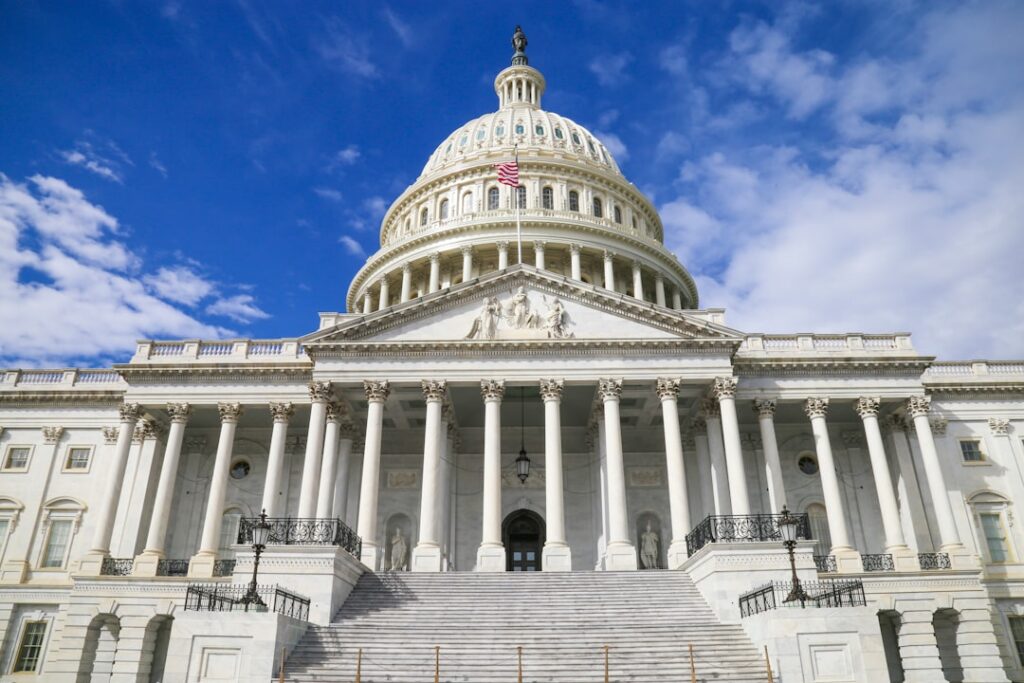
Image: GlobalBeat / 2026
Republicans Trump crisis: Party faces civil war as Trump tightens grip on 2026 primaries
Muhammad Asghar | GlobalBattle
Republican strategist Sidney Blumenthal warned Tuesday that the GOP is “choosing self-destruction” rather than confronting Donald Trump’s tightening control over the party ahead of the 2026 midterms.
The former Clinton aide told reporters that Republican leaders privately acknowledge Trump’s damaging influence but fear primary challenges if they speak out. Blumenthal’s assessment comes as Trump’s endorsed candidates sweep early primary contests and establishment figures face mounting pressure to fall in line.
The party’s internal crisis has reached breaking point. Senate Republicans blocked their own immigration compromise in February after Trump denounced it. House Speaker Mike Johnson survived a rebellion from hardliners only after flying to Mar-a-Lago for Trump’s blessing. Meanwhile, donors who funded anti-Trump efforts in 2024 have largely retreated.
“Republicans have made a calculation that their immediate political survival requires obedience to Trump,” Blumenthal said in an interview. “They’re willing to sacrifice the party’s long-term viability rather than risk losing their seats or being ostracized.”
The numbers tell the story. Trump’s preferred candidates won 19 of 24 contested Republican primaries this year, according to Ballotpedia tracking. His endorsements now carry such weight that even potential 2028 presidential contenders like Florida Governor Ron DeSantis and Virginia Governor Glenn Youngkin have publicly praised him, despite running without his backing in their own campaigns.
Senate Minority Leader Mitch McConnell’s exit accelerated the transformation. The 83-year-old Kentuckian, who blamed Trump for the January 6 riot, announced he wouldn’t seek leadership again after November. Trump ally John Thune, who voted to certify Biden’s 2020 victory, reversed course and endorsed Trump’s false election claims to win the job. The reversal stunned longtime observers.
“Thune spent years building a reputation as a rational conservative,” former Republican National Committee chair Michael Steele told MSNBC. “He burned that down in six weeks to appease Mar-a-Lago.”
House Republicans face their own reckoning. Speaker Johnson’s razor-thin majority depends on Trump loyalists who forced him to hold Attorney General Pam Bondi in contempt over documents related to Trump’s criminal investigations. The vote, which lost 12 Republicans, showed Trump’s grip extending beyond electoral politics into governing itself.
“Every vote now runs through the Trump filter,” retiring Republican Congressman Ken Buck told CNN. Buck, leaving after five terms, said colleagues privately complain about Trump’s stranglehold but “calculate it’s safer to stay silent than speak truth.”
The party’s fundraising reflects the shift. The Republican National Committee raised $47 million through April, down from $85 million at this point in 2022. Small-dollar donations increasingly flow to Trump’s Save America PAC instead of party committees. The split has forced Republican campaigns to rely more on outside groups, weakening party control over messaging.
Even policy debates have become loyalty tests. When 18 Senate Republicans voted for a border security package in April, Trump attacked them as “RINOs selling out America.” The bill died after he demanded its defeat. Democratic Senator Chris Murphy, who negotiated the package, said Trump’s opposition “had nothing to do with policy and everything to do with denying Biden a win.”
Republican governors offer the clearest picture of Trump’s dominance. Of 27 GOP governors, 22 have endorsed Trump’s 2024 election lies publicly, including Georgia’s Brian Kemp, who resisted Trump’s pressure to overturn results in 2020. Only five GOP governors acknowledge Biden’s legitimate victory. The reversal has practical consequences as Republican-led states implement voting restrictions based on Trump’s false fraud claims.
The media ecosystem has completed its capture. Fox News, which briefly distanced itself after the 2020 election, now regularly broadcasts Trump’s rallies live. Conservative talk radio hosts who criticized his January 6 role have either apologized or lost market share. Newsmax and One America News Network, which promote election conspiracy theories, have gained viewers while traditional conservative outlets lose audience.
Donor retreat has accelerated. The Lincoln Project, which raised $87 million opposing Trump in 2020, collected just $4 million last year. Republican Accountability Project shut down entirely. Major donors like Sheldon Adelson’s widow Miriam have shifted resources to Trump-aligned candidates who support his election narrative.
Background
The Republican Party’s Trump crisis has deep roots in the 2016 primary, when 17 candidates splintered the establishment vote and allowed Trump to win with pluralities. His victory over Hillary Clinton, despite losing the popular vote, convinced many Republicans that his populist approach offered a path to power that traditional conservatism could not match.
The party’s transformation accelerated after January 6, 2021, when most congressional Republicans initially condemned the riot. Within weeks, however, fear of Trump’s base drove them back into line. House Republican leader Kevin McCarthy’s pilgrimage to Mar-a-Lago set the template for submission, followed by senators like Lindsey Graham who had denounced Trump’s actions but later claimed he was essential for Republican success.
What’s Next
The Republican National Convention in July 2026 will test whether any resistance remains to Trump’s complete takeover. His daughter-in-law Lara Trump now serves as RNC co-chair, and state parties in Nevada, Arizona, and Michigan have installed Trump loyalists as leaders. Traditional Republicans are organizing outside the official party structure, but their influence on primary voters has diminished dramatically as Trump’s endorsed candidates continue winning.
The party’s civil war will intensify if Trump faces criminal conviction before November 2026. Republicans who vote on his behalf risk electoral punishment, while those opposing him face primary challenges from Trump-backed candidates. The dynamic ensures escalating conflict regardless of legal outcomes.
Senior Correspondent, World & Geopolitics
Muhammad Asghar covers international affairs, conflict zones, and US foreign policy for GlobalBeat. He has reported on events across the Middle East, South Asia, and Eastern Europe, with a focus on the intersection of diplomacy and armed conflict. He has been writing wire-service journalism for over a decade.