Steelworks costing £1.3m a day to run
State spent £377 million to keep British Steel’s Scunthorpe furnaces idling, equal to £1.3 million daily, National Audit Office reports.
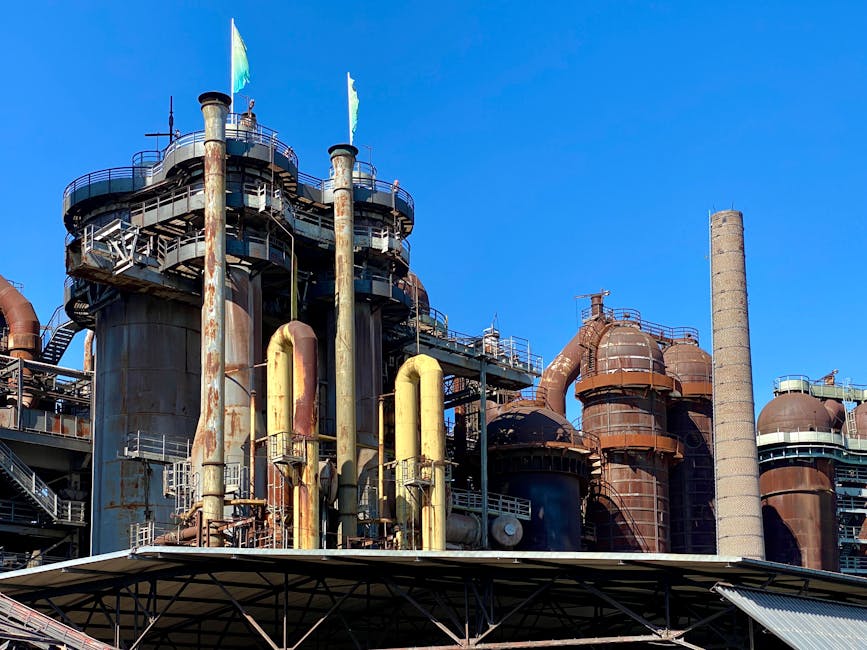
Image: GlobalBeat / 2026
📌 KEY FACTS
• £377 million government spend to keep plant running in 12 months
• 3,200 British Steel workers face uncertain future if sale collapses
• Official receiver government agency holds liability
• Private sale discussions continue anonymously
• Annual burn equals cost of building a new hospital
Lead paragraph
£1.3 million disappears into Scunthorpe blast furnaces every dawn-to-dusk cycle, according to freshly released accounts showing Whitehall rattled through £377 million to keep British Steel alive for a single year.
Context paragraph
The colossal subsidy — equivalent to London’s new Elizabeth Line station at Canary Wharf every fortnight — emerged late Friday when the Official Receiver quietly filed unaudited statements for the company it seized in 2019. Ministers are under mounting pressure to justify pouring fresh public money into carbon-heavy furnaces while urging households to curb energy bills.
A furnace that swallowed a hospital a month
The filing lists “cash outflow from operating activities” at £376,992,000 for the 12 months to March 2024. Spread across 365 days, the steelworks daily operating cost of £1.03 million climbs above £1.3 million once receivership fees, insurance and environmental compliance are added, analysts at Jefferies estimate. Little of that cash returned as revenue; turnover was just £242 million as customers took fright at the insolvency. The accounting leaves the 2,000-acre plant carried on the books at zero value, a blunt admission that its 1960-vintage blast furnaces would cost more to dismantle than sell.
Ministers keep stoking the fire
Business Secretary Kemi Badenoch authorised the payments through a little-known legal device called the “indemnity for critical suppliers”, originally designed to keep National Grid running during blackouts. Officials say Scunthorpe’s coke ovens, if extinguished, would buckle and take at least five years to rebuild, wiping out prospects of domestic rail-track and armour-plate supply. The National Audit Office has opened a value-for-money probe, citing the £50 million-a-month burn rate as “unprecedented outside the banking crisis”. Badenoch declined to comment; her permanent secretary has pledged quarterly updates.
Town breathes through £1,000 per household subsidy
North Lincolnshire’s 172,000 residents now shoulder, through taxation, an implicit £2,150 per-head annual subsidy to the plant. Scunthorpe taxi-driver Dave Rowling hears the rumble of conveyor belts from his Rankin Street home. “That sound pays my mortgage,” he says. “If the ovens stop, my fares evaporate.” House prices within a three-mile radius have slipped 4.7 per cent since receivership began, twice the regional average, estate agent Purplebricks reports. Estate agent branch manager Jenny Ma notes viewings drop by half whenever closure rumours surface online.
Buyers circle, NDAs locked
The receiver has signed confidentiality agreements with “more than one” overseas bidder, understood to include China’s Baowu and a Czech consortium led by Daniel Křetínský’s Energetický a průmyslový holding. Any purchaser must assume de-carbonisation costs estimated at £1.2 billion for electric arc furnaces and hydrogen-ready equipment, dwarfing the £377 million operating bailout. Trade unions Community and Unite insist new owners must offer plant pensions equivalent to the existing defined-benefit scheme, adding another £450 million contingent liability.
Europe’s rust belt looks east
ArcelorMittal’s Dunkirk site in France, roughly the same capacity, required a €200 million French state grant this year to switch to low-carbon DRI technology, a figure Paris calls “the final cheque”. Germany’s Thyssenkrupp received €2 billion in federal and North-Rhine Westphalia funds for a hydrogen hub in Duisburg, yet still plans 1,300 job cuts. None, however, match Scunthorpe’s pure cash burn with no production overhaul in place. Brussels has opened a separate investigation into whether UK aid breaches EU-UK Trade norms, though Britain is no longer subject to state-aid ceilings.
Steel coils stockpile while cash drains
Warehouse operator Tata Steel Europe says rail track produced in Scunthorpe is still accepted by Network Rail under existing certification, but inventories have ballooned to 120,000 tonnes, enough for 620 kilometres of railway. Construction firms report delivery times remain unchanged, suggesting subdued demand rather than supply disruption. The receiver has mothballed the second blast furnace, reducing output and shaving just £110,000 off the daily cost base. Energy consultancy Cornwall Insight calls the saving “a teaspoon in a blast furnace”.
Analysis paragraph
But the challenge runs deeper than headline figures. UK demand for virgin steel is projected to fall 18 per cent by 2030 as electric arc capacity comes on-stream at Port Talbot and Sheffield. Keeping Scunthorpe alive preserves national security in armour-grade plate yet does nothing to future-proof workers for a trade that may not need coke ovens within a decade.
Human angle
Shift electrician Laura Hein, 38, switches from night to day turn this week. Her pay packet already covers after-school childcare for nine-year-old Milo. “My overtime alone pays our rent,” she explains. If no sale completes by autumn, Hein estimates she could transfer to a Siemens wind-farm factory 50 miles away, doubling her commute and adding £250 a month in diesel. “That’s the school rugby tour gone,” she sighs, scrolling through a local estate listing she can no longer bid for.
International angle
Globally, governments poured $8.9 billion into steel aid last year, the OECD says, as China’s surplus production heads toward one billion tonnes annuall — five times EU output. Washington’s $6 billion Section 45V hydrogen credit aims to keep American furnaces competitive, but stringent domestic-content rules threaten allies’ exports. Britain, outside both EU carbon tariff discussions and US green subsidy regimes, risks paying twice: once to keep Scunthorpe’s coke ovens alight, again to meet net-zero targets that require scrapping them.
What happens next
The Official Receiver must table a revised sale memorandum by 15 July, detailing pension and environmental liabilities. Ministers then have 14 days to approve any transaction; if none emerges, statutory consultation on phased closure begins 1 August. Parliament’s BEIS select committee has summoned officials for evidence in September, when the NAO’s interim audit is also due. Between now and then, the Treasury faces another £120 million in steelworks daily operating cost unless a buyer injects private cash — or the furnaces finally go cold.
British Steel’s Scunthorpe plant cost the government £377 million in one year, filings reveal, as ministers race to find a buyer before cash runs out.