The Geopolitics of Oil and Conflict: Iran, the United States, Israel, and Implications for Ghana
Iran-U.S.-Israel tensions threaten Persian Gulf oil flows, Accra fears price spike, cedi pressure, says Ghana Finance Ministry Thursday.
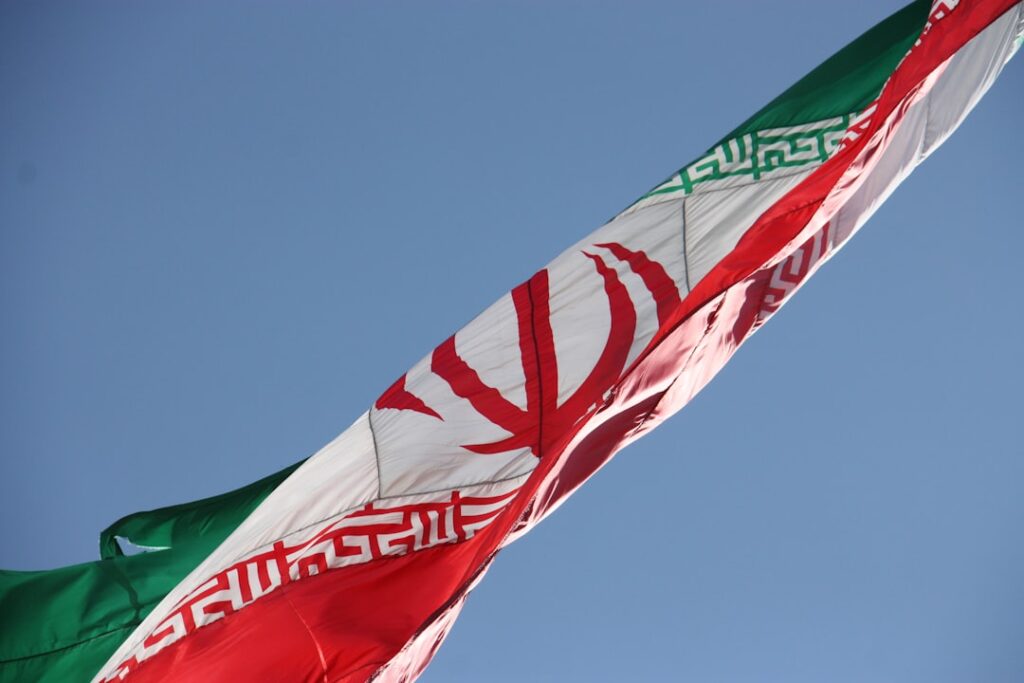
Image: GlobalBeat / 2026
Iran US oil conflict: Accra braces for fuel price surge as Tehran-Israel tensions escalate
By Muhammad Asghar | GlobalBeat
Iran’s seizure of an Israeli-linked oil tanker near the Strait of Hormuz pushed Brent crude past $92 on Monday, triggering emergency fuel subsidy talks in Ghana.
The oil price spike threatens to add 15% to Ghana’s already record-high pump prices within weeks, energy minister John Abdulai Jinapor told reporters in Accra.
Ghana imports all its petroleum products and has watched import bills double since 2022. The West African nation currently pays about $600 million monthly for fuel imports, central bank data shows.
The Islamic Revolutionary Guard Corps boarded the Advantage Sweet tanker carrying Kuwaiti crude early Sunday, Iranian state media confirmed. The vessel sails under the Marshall Islands flag but operates through Israeli-owned Zodiac Maritime.
Tehran’s action came hours after Israeli airstrikes killed three Iranian military advisers in Damascus. Iran’s foreign ministry vowed “immediate retaliation” for what it called “Zionist aggression against Syria.”
US President Donald Trump warned Iran of “severe consequences” during a brief exchange with reporters at the White House. “We will not tolerate any disruption to global energy flows,” he said.
The Pentagon announced it was sending additional warships to the region, including the aircraft carrier USS Eisenhower. Defense officials expect the carrier group to reach the Persian Gulf within 10 days.
Oil markets reacted instantly. Brent crude jumped $6.40 to $92.18 by Monday afternoon in London, its highest level since October. Trading volumes surged 40% above the monthly average.
Ghana’s cedi weakened 2.3% against the dollar on the news, extending its year-to-date decline to 18%. The currency moves amplify oil price increases for importers who must pay in dollars.
“Every $10 increase in crude prices costs Ghana an additional $60 million monthly,” Abena Mensah, chief economist at Accra-based lender GCB Bank, calculated. “The timing could not be worse.”
The government already spends 4% of GDP on fuel subsidies, IMF figures show. Finance minister Cassiel Ato Forson said authorities were “exploring all options” to cushion consumers.
Ghana’s inflation hit 25.8% in March, driven largely by transport costs. The central bank warned that fuel price increases could push the rate past 30% by June.
European diplomats expressed alarm at the tanker seizure but stopped short of backing military action. EU foreign policy chief Kaja Kallas urged “maximum restraint from all parties.”
Russia’s foreign ministry blamed the crisis on “Western provocations” and called for UN Security Council talks. Moscow holds veto power on any resolution against Iran.
China, Iran’s largest oil customer, stayed neutral. Beijing’s embassy in Washington urged “dialogue to resolve differences” but issued no direct criticism of Tehran.
Background
The Strait of Hormuz handles 20% of global oil shipments, making it the world’s most critical energy chokepoint. Iran has threatened to close the waterway repeatedly since 2018 when Trump withdrew from the nuclear deal.
Previous tanker seizures in 2019 spiked oil prices 4% but caused no lasting disruption. The current crisis coincides with record low global inventories and OPEC+ production cuts.
Ghana’s oil industry began in 2010 with the Jubilee field but produces only 180,000 barrels daily. The country lacks refining capacity and exports all crude while importing refined products.
Israeli-Iranian tensions have escalated since Syria’s civil war began. Tehran’s military support for Damascus has allowed it to establish bases within 50 kilometers of Israel’s border.
What’s Next
The UN Security Council meets Tuesday to discuss the tanker seizure while US naval forces converge on the region. Ghana’s parliament plans an emergency session Wednesday to vote on supplementary fuel subsidies amid growing street protests over living costs.
Traders now price in a 35% probability of Iranian attempts to block the strait entirely, according to London-based consultancy Energy Aspects. Any sustained closure could push oil above $120 and trigger fuel rationing in import-dependent nations like Ghana.
Senior Correspondent, World & Geopolitics
Muhammad Asghar covers international affairs, conflict zones, and US foreign policy for GlobalBeat. He has reported on events across the Middle East, South Asia, and Eastern Europe, with a focus on the intersection of diplomacy and armed conflict. He has been writing wire-service journalism for over a decade.