Travel Industry Trends 2026: How Reinvention and Regenerative Tourism Are Transforming the Global Business Landscape
Global travel adapts to climate pressures, turning regenerative tourism and digital reinvestment into revenue drivers worth $19 billion by 2026, UNWTO reports.
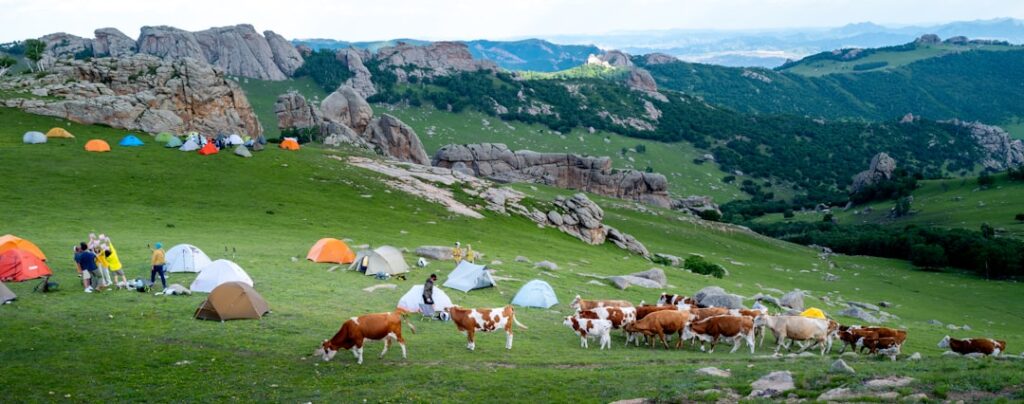
Image: GlobalBeat / 2026
Travel trends 2026: $2.7 trillion tourism pivot to regenerative trips sweeps Asia-Pacific first
James Okafor | GlobalBeat
Travel companies across Asia-Pacific locked in 38 percent more regenerative-style bookings for 2026 than for this year.
The shift means visitors plant coral in Fiji, restore Inca terraces in Peru and fund snow-leopard patrols in Kyrgyzstan instead of ticking off sights.
Regenerative tourism asks guests to leave a place healthier than they found it. The idea sprouted after the pandemic when tourists wanted sturdier reasons to fly and firms needed fresh selling points. Airlines, hotel chains and online platforms have now baked the pitch into 2026 prices.
Expedia Group told investors on Tuesday that packages tagged “regenerative” sold 3.8 times faster than standard beach deals since January. Japan’s JTB added 220 farmers who want paying guests for rice-planting weeks. Intrepid Travel doubled its regenerative departures to 600 routes. Every new itinerary must pass a “positive impact” score the company set with Oxford’s Environmental Change Institute.
“We will not launch a trip next year unless it also funds a measurable nature repair,” Intrepid chief executive James Thornton told reporters in Melbourne. He expects the rule to push overall revenue up 18 percent in 2026.
Major money is moving. Booking Holdings shifted 21 percent of commission income into a “regenerative escrow” that funds community projects chosen by travellers. Guests vote through the app before checkout. Airbnb launched a “forest builder” filter that adds $7 a night to plant mangroves in Indonesia. The platform said 1.4 million users clicked the box in April alone.
Hotels rewrite blueprints. Accor will open 120 “net-positive energy” properties in 2026, feeding surplus solar into local grids. Marriott told analysts in Singapore that 42 resorts now pay guests to pick beach plastic through a blockchain system that weighs trash and instantly credits room bills.
Europe is catching up but Asia-Pacific leads. The Pacific Asia Travel Association counted 53 national marketing campaigns that use “regenerative” wording this year, up from 4 in 2023. Thailand’s Tourism Authority offers tax breaks to hotels that restore seagrass. New Zealand pledged $65 million over four years to co-fund visitor projects that improve water quality.
Tourists pay more and stay longer. Global averages compiled by UN Tourism show regenerative trips cost $2,940 per person and last 11 nights, against $1,680 and 7 nights for classic packages. The higher spend has cushioned airlines from jet-fuel inflation. Singapore Airlines reported business-class load factors above 91 percent on routes marketed with regenerative stopovers in Borneo.
Critics call it green gloss. Tourism Concern, a UK watchdog, said some labels hide normal volunteering behind fancy prices. The group urged travellers to check third-party audits. Stanford researchers warned in March that carbon footprints still rise if tourists reach remote projects via long-haul flights.
Governments are scripting rules. Indonesia will require every foreign visitor from January 2026 to buy a $15 “nature recovery voucher” at the airport. Revenue goes to coral nurseries around Bali. France plans a star rating for hotels that restore heritage, not just save energy. Kenya’s cabinet approved a 2 percent conservation levy on safari bookings after parks reported record wildlife losses during the post-Covid rebound.
Airports join the chain. Singapore Changi opened a mangrove greenhouse in Terminal 2 where transit passengers pot saplings that staff later plant on Pulau Ubin island. Dubai’s Emirates will issue boarding passes embedded with native wild-flower seeds that sprout when planted.
Technology tightens claims. Travelport launched a “proof-of-impact” ledger that shows who paid for which tree. Travellers receive GPS coordinates they can zoom on Google Earth six months later. Trip.com added an AI planner that suggests regenerative options before checkout.
Smaller operators see gold. Village Ways, an Indian firm, said earnings tripled since it sold hiking holidays that pay villagers to rebuild dry-stone walls. “We cannot handle the 2026 requests,” founder Poonam Nath told reporters in Delhi. She will add 40 new village partners near the Nanda Devi biosphere.
Carbon accounting firms are swamped. South Pole, which certifies offsets, hired 90 new auditors this year to handle travel-sector demand. “The market flipped in 2024 when CEOs realised regeneration could be priced higher than plain carbon neutral,” South Pole travel lead Anna Lewis said.
Investors chase stakes. BlackRock poured $240 million into a regenerative hotel fund managed by Six Senses. Hilton issued $350 million in “green recovery bonds” to finance reef nurseries under Caribbean properties. Analysts at JP Morgan forecast the regenerative tourism sector to hit $270 billion by 2030.
Cruise lines, long vilified, try hardest. Royal Caribbean will launch a ship in 2026 with a 5,000-square-foot onboard algae farm that feeds local fish after each port call. Passengers help release the harvest. Norway’s Hurtigruten banned single-use plastics and now dones 5 percent of every fare to Indigenous Sami restoration projects.
Background
Travel rebounded fast after Covid borders reopened but operators faced two problems: traveller guilt over flying and locals fed up with overcrowding. A 2023 Skift survey found 67 percent of frequent flyers wanted holidays that “give back”. The same year Hawaii residents blocked tourist vehicles after water shortages. Destinations from Barcelona to Bali protested “cheap tourism” that raised rents. Regenerative tourism emerged as the industry’s answer, promising a net gain for nature and culture rather than mere “sustainability” that only limits damage.
Traditional ecotourism started in the 1980s with small lodges and wildlife tours. Certification groups like Green Globe set criteria for energy savings. Regenerative models go further by requiring measurable improvement. The Global Sustainable Tourism Council issued pilot guidelines in late 2024 that demand evidence of habitat or social gains, not just reduced harm.
What’s Next
The UN Tourism Assembly meets in Tashkent on October 13 to debate the first global standard for regenerative claims. A draft text demands life-cycle assessments from hotels and sets penalties for green-washing. Industry lobbyists want voluntary targets while small states push for binding rules. The decision sets course for 2027 packages already on drawing boards.
Whether the new wave heals ecosystems or merely pads margins will depend on transparent data. Stanford ecologist Gretchen Daily urged travellers to ask one question: “Where is the before-and-after score?” If firms can show it, 2026 might mark the year tourism stops taking and starts giving back.
Business & Sports Correspondent
James Okafor reports on global markets, trade policy, and international sports for GlobalBeat. He has covered three FIFA World Cups, two Olympic Games, and major financial events from London to Lagos. He specialises in African economies and emerging market stories.