Trump says he will send an ‘Election Integrity Army’ into every state for midterms
Former President Trump vows to deploy an “Election Integrity Army” nationwide for the midterms, aiming to monitor voting processes without specifying operational details.
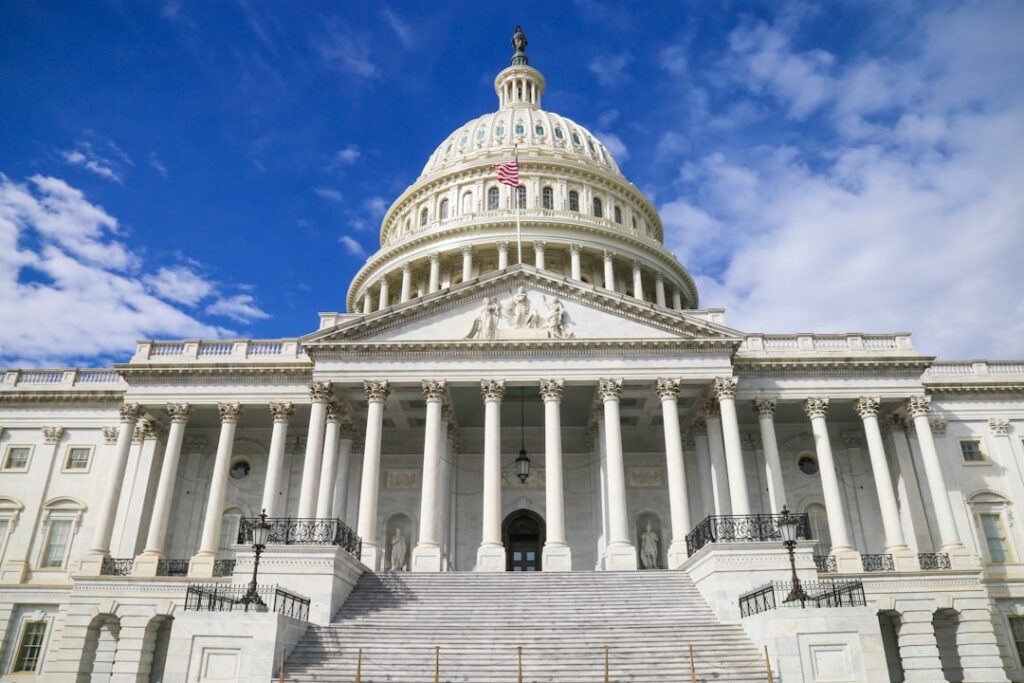
Image: GlobalBeat / 2026
Trump election integrity army: 50-state deployment planned for midterms
Muhammad Asghar | GlobalBeat
Donald Trump announced he will dispatch an “Election Integrity Army” to monitor voting sites across all 50 states in November’s congressional elections.
The former president’s plan involves deploying unspecified numbers of poll watchers and legal teams to challenge ballots and procedures in Democratic strongholds, campaign officials confirmed.
The announcement revives Trump’s unproven claims of widespread fraud from 2020 and escalates Republican efforts to place partisan observers inside election offices. Voting rights groups warned the move could intimidate minority voters and overwhelm local officials with frivolous challenges.
“We’re going to have an Election Integrity Army like nobody’s ever seen before,” Trump told supporters at a rally in Des Moines, Iowa. “They’ll be in every state, watching every drop box, every counting room.”
Campaign aides said the operation would recruit 100,000 volunteers nationwide, though they provided no evidence for this figure. The army would include trained poll watchers, attorneys ready to file emergency lawsuits, and rapid-response teams to publicize suspected irregularities on social media.
State election officials reacted with alarm. Michigan Secretary of State Jocelyn Benson, a Democrat, said her office was drafting new security protocols after receiving hundreds of calls from worried local clerks.
“This isn’t about election integrity. It’s about creating chaos and undermining faith in results that might not go their way,” Benson told reporters in Lansing.
The plan builds on a network of Trump loyalists who have spent 4 years embedding themselves in local Republican Party structures. These activists have pushed county committees to appoint poll workers who embrace fraud claims, replacing traditional volunteers with more combative observers.
In Georgia, where Trump faces criminal charges for allegedly pressuring officials to “find” votes in 2020, his campaign already recruited 3,000 poll watchers. The state Republican Party changed its bylaws to require all poll workers to attend training sessions that include presentations on spotting “suspicious” ballots.
“It’s a fool’s errand,” said Gabriel Sterling, the Republican chief operating officer for Georgia’s Secretary of State. “We’ve had 3 elections since 2020 with zero evidence of systemic fraud. But these folks believe what they believe.”
The announcement triggered immediate fundraising appeals. Trump’s Save America PAC sent emails within hours asking donors to “defend your vote” with contributions up to $3,300. The campaign claimed it needed $25 million to fund the effort, though federal filings show the PAC already holds $40 million cash on hand.
Legal experts questioned the army’s scope. Federal law bars intimidating voters within 150 feet of polling places, while most states restrict poll watchers to specific duties like reporting equipment malfunctions.
“You can’t just show up and start demanding ballots be invalidated,” said Wendy Weiser, director of the Democracy Program at New York University’s Brennan Center. “There’s a process, and these amateur sleuths could find themselves removed or arrested.”
The Justice Department announced it would deploy federal monitors to 24 states for the midterms, focusing on jurisdictions with histories of discrimination. Attorney General Pam Bondi, appointed by Trump, declined to say whether she would expand that presence given the former president’s plans.
Democratic groups launched countermeasures. The Voter Protection Project said it would double its legal teams in Arizona, Georgia, Nevada, and Pennsylvania. Fair Fight, founded by Georgia Democrat Stacey Abrams, began recruiting its own volunteers to document any harassment.
Background
Trump’s fraud claims began during the 2016 campaign, when he predicted the election would be “rigged” against him. After winning the Electoral College but losing the popular vote by 2.8 million ballots, he alleged without evidence that millions of illegal immigrants had cast ballots.
The narrative escalated after his 2020 defeat. Trump and allies filed 62 lawsuits challenging results, losing 61. The single victory affected too few votes to alter outcomes. Republicans responded by passing new voting laws in 19 states, citing “election integrity” despite no evidence of widespread fraud.
Partisan poll watching has deeper roots. The 1982 consent decree blocked Republicans from conducting “ballot security” operations after courts found they intimidated minority voters in New Jersey. That decree expired in 2018, freeing the party to resume aggressive monitoring.
What’s Next
State officials must certify poll watcher lists by October in most jurisdictions. Trump’s campaign has until then to submit names of volunteers who completed required training. Several states may see court battles if local officials reject applicants they deem unqualified or potentially disruptive.
The deployment could face its first test during September primaries in Delaware, New Hampshire, and Rhode Island. These elections typically draw low turnout, making them easier laboratories for testing tactics before November’s higher-stakes contests.
Senior Correspondent, World & Geopolitics
Muhammad Asghar covers international affairs, conflict zones, and US foreign policy for GlobalBeat. He has reported on events across the Middle East, South Asia, and Eastern Europe, with a focus on the intersection of diplomacy and armed conflict. He has been writing wire-service journalism for over a decade.