Trump says Iran talks could resume ‘over next two days’ as US says ships turned back by blockade
Trump says Iran talks may restart within 48 hours as U.S. reports turning back ships near blockade.
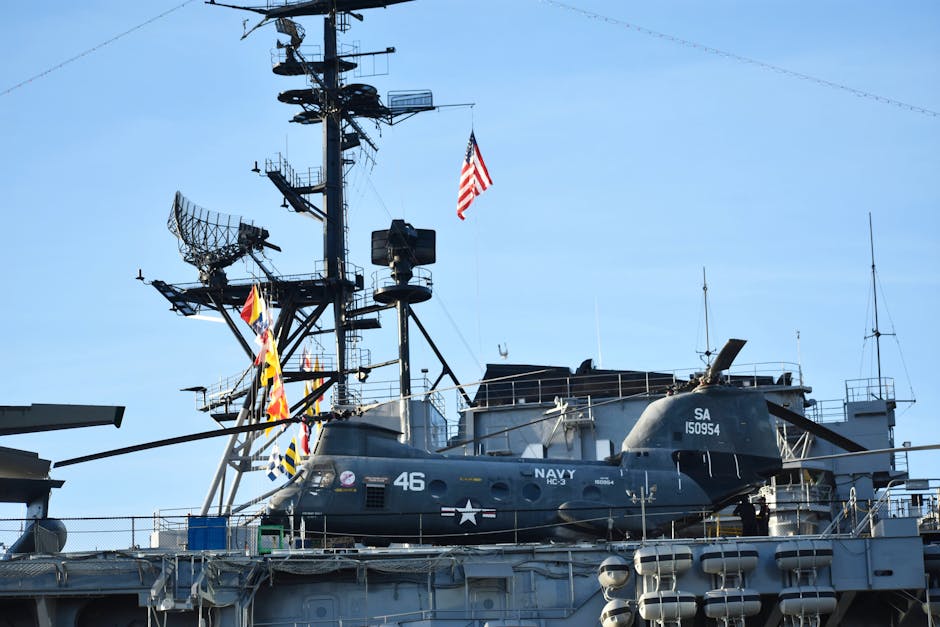
Image: GlobalBeat / 2026
Trump says Iran talks restart within 48 hours after US ships break Tehran blockade
President Donald Trump told reporters Sunday that renewed negotiations with Iran could begin “over the next two days” after the Pentagon reported turning back Iranian vessels trying to enforce a maritime blockade.
The announcement came hours after US Navy ships escorted commercial tankers through the Strait of Hormuz, reversing an Iranian attempt to choke off oil traffic in retaliation for tightened American sanctions.
Trump’s timeline marks the first concrete prospect for diplomatic contact since he ordered a military strike on Iranian targets in March. The president campaigned on avoiding new Middle East wars while maintaining “maximum pressure” on Tehran’s nuclear program, leaving allies uncertain which priority would prevail.
“We’ll be talking,” Trump said aboard Air Force One en route to Florida. “Could be tomorrow, could be the next day. They want to talk. We want to talk.” He gave no details on format or which officials would participate.
The Pentagon confirmed that three Iranian fast-attack craft tried to divert a Marshall Islands-flagged tanker early Sunday. US destroyer USS Stockdale intervened, firing warning shots that scattered the Iranian boats. No injuries reported.
Defense Secretary Pete Hegseth called the incident “a dangerous escalation that threatened global energy supplies.” He said American vessels would continue escorting shipping through the strait “for as long as necessary.”
Oil prices slipped 2 percent in Asian trading after Trump’s comments, easing from Friday’s three-month high. Brent crude fetched $83 per barrel, down from $85 overnight.
Iran’s mission to the United Nations did not immediately respond to requests for comment. State media broadcast footage of military exercises near the strait but made no mention of the confrontation with US forces.
European diplomats in Washington welcomed signals of renewed dialogue. “Escalation helps nobody,” Germany’s ambassador to the United States, Andreas Michaelis, told reporters. “We stand ready to support any channel that reduces tensions.”
The latest flare-up began when Trump imposed banking sanctions targeting Iranian oil sales to China, cutting off Tehran’s main source of hard currency. Supreme Leader Ayatollah Ali Khamenei responded by threatening to close the strait if Iran could not export.
About 20 percent of globally traded oil passes through the narrow waterway between Iran and Oman. A prolonged shutdown would send fuel prices surging worldwide, analysts warned.
Trump’s first term abandoned the 2015 nuclear accord that limited Iran’s uranium enrichment. Diplomatic outreach late in that presidency collapsed after a US drone strike killed Iranian general Qasem Soleimani in January 2020.
Since returning to office, Trump has tightened sanctions while insisting he wants a “better deal” than the original agreement. Iran has enriched uranium closer to weapons grade, though US intelligence says Tehran has not decided to build nuclear arms.
Background
The 2015 Joint Comprehensive Plan of Action lifted international sanctions on Iran in exchange for strict limits on its nuclear activities. UN inspectors verified Iranian compliance for three years until Trump withdrew the United States in 2018 and reimposed sweeping economic penalties.
Iran began breaching the accord’s enrichment caps a year later. European signatories, China and Russia tried to keep the agreement alive through barter mechanisms that largely failed to deliver sanctions relief. Talks to restore the deal collapsed in 2022 amid demands from both Washington and Tehran for additional concessions.
What’s Next
State Department officials said they expect Swiss intermediaries to relay initial messages this week, with possible face-to-face meetings in Oman if both sides agree on an agenda. The Gulf sultanate hosted secret US-Iran talks that led to the 2015 accord and remains a trusted channel for both governments.
Analysts warn the diplomatic window is narrow. Iran holds presidential elections in June, and hard-liners who oppose any compromise with Washington are expected to consolidate power. Trump also faces pressure from Republican allies who view renewed negotiations as legitimizing a hostile regime.
META: Trump says Iran nuclear talks could restart within 48 hours after US Navy broke Tehran’s strait blockade
IMAGE SEARCH: Strait of Hormuz ships
CATEGORY: Geopolitics
Senior Correspondent, World & Geopolitics
Muhammad Asghar covers international affairs, conflict zones, and US foreign policy for GlobalBeat. He has reported on events across the Middle East, South Asia, and Eastern Europe, with a focus on the intersection of diplomacy and armed conflict. He has been writing wire-service journalism for over a decade.