Trump Tells Congress Why He Doesn’t Need Its Authorization for the Iran War
Trump defends bypassing Congress on Iran military action.
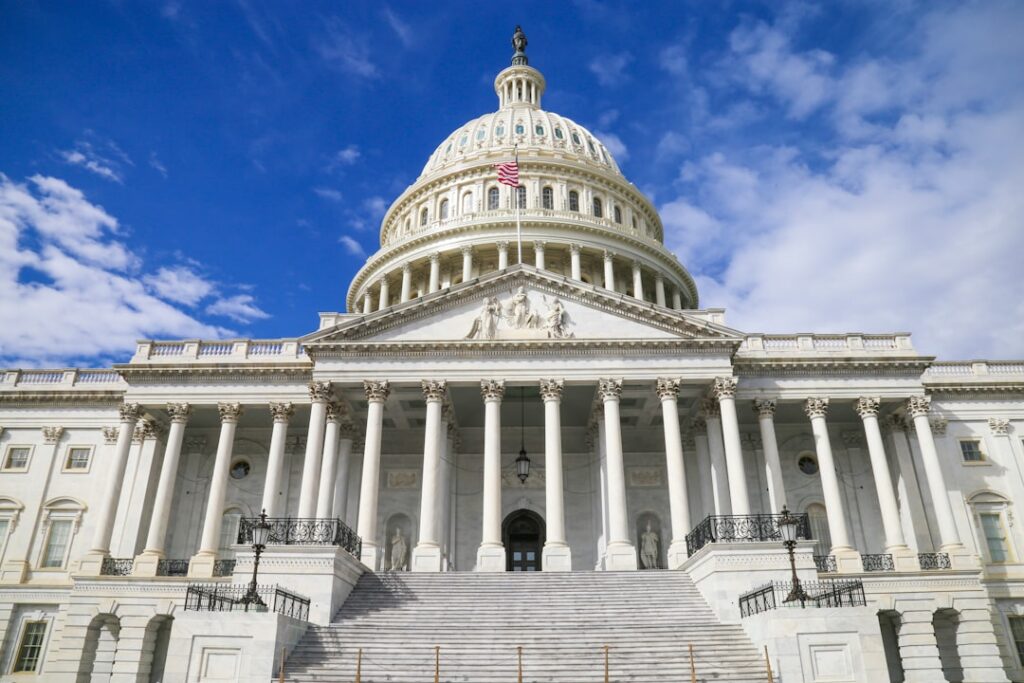
Image: GlobalBeat / 2026
Trump Iran war authorization: President tells Congress he has constitutional power to attack Tehran without vote
Muhammad Asghar | GlobalBeat
Donald Trump formally notified Congress on Friday that he believes he possesses the authority to launch military strikes against Iran without prior legislative approval.
The White House delivered the 802-word justification to Capitol Hill at 4:43 p.m., arguing the April 29 drone strike that killed Iranian Quds Force commander Hossein Ahvazi was “defensive” and therefore exempt from the 1973 War Powers Resolution.
The move deepened the constitutional showdown between Trump and congressional leaders who have demanded a vote before any wider conflict with Tehran. House Speaker Hakeem Jeffries called the legal reasoning “dangerous” and pledged to force a debate next week on legislation requiring explicit authorization for further military action.
The notification came 72 hours after the administration changed its cover sheet from “consultation” to “constitutional analysis,” stripping out references to future cooperation with lawmakers. Senators from both parties said the shift signaled Trump intends to expand operations without seeking permission.
Trump wrote that Article II powers “fully authorize” him to protect American forces and allies from what he termed “ongoing Iranian aggression.” The letter cited the 2001 authorization for use of military force against al-Qaeda and the 2002 Iraq war resolution as additional legal backing, though neither mentions Iran by name.
Constitutional scholars rejected the argument within minutes of its release. Harvard Law professor Laurence Tribe called the legal theory “laughable” on social media, noting the Supreme Court has never endorsed such broad interpretation of presidential war powers. He predicted any major attack ordered without congressional approval would face immediate court challenges.
Senate Majority Leader John Thune told reporters the Republican caucus remains “deeply divided” on the issue. While 11 GOP senators have cosponsored a bill requiring prior authorization, party leadership blocked a similar measure last month. Thune acknowledged “growing discomfort” with open-ended military commitments but declined to commit to a timeline for debate.
Defense Secretary Pete Hegseth briefed senators behind closed doors Thursday, claiming intelligence showed Iran was planning attacks on U.S. bases in Iraq and Syria. Several lawmakers emerged unconvinced, with Republican Senator Lisa Murkowski telling reporters the evidence presented was “thin” and “circumstantial.”
The Pentagon has moved significant assets to the region since late March, including the aircraft carrier USS Eisenhower and 2,200 additional Marines. Military officials confirmed the buildup costs $340 million monthly, funds drawn from existing contingency accounts without supplemental congressional approval.
Iranian officials responded with threats of retaliation. Foreign Minister Abbas Araghchi told state television that Tehran possesses “dozens” of military options and would choose “the appropriate time and place” to respond. The semi-official Fars news agency reported Iranian missiles were placed on elevated alert status Friday evening.
European allies expressed alarm at the unilateral approach. British Prime Minister Keir Starmer’s office released a statement calling for “maximum restraint” and urging diplomatic solutions. German Chancellor Friedrich Merz warned that escalation “serves nobody’s interests” and could destabilize global energy markets.
Oil prices jumped 4.7% within an hour of the White House letter, with Brent crude reaching $89 per barrel. Analysts warned that sustained conflict could push prices past $100, potentially adding 30 cents to average U.S. gasoline prices during summer travel season.
Background
The U.S. and Iran have engaged in escalating tensions since Trump withdrew from the 2015 nuclear accord in 2018. The Trump administration imposed “maximum pressure” sanctions that crippled Iran’s economy, while Tehran responded by accelerating uranium enrichment beyond JCPOA limits.
The April 29 drone strike marked the first acknowledged U.S. killing of a senior Iranian military official since the January 2020 assassination of Qasem Soleimani. That operation occurred under Trump’s first administration and similarly proceeded without congressional authorization, prompting the House to pass a war powers resolution that died in the Senate.
Congress has not formally declared war since World War II, instead relying on authorizations for use of military force that presidents have interpreted broadly. The 1973 War Powers Resolution requires presidents to notify Congress within 48 hours of introducing armed forces into hostilities and limits military action to 60 days without explicit approval.
What’s Next
The House Rules Committee will consider a privileged resolution Tuesday that would require Trump to halt military operations against Iran within 30 days absent congressional approval. Democratic leaders expect the measure to pass with Republican support, setting up a Senate vote where its fate remains uncertain.
Senior Correspondent, World & Geopolitics
Muhammad Asghar covers international affairs, conflict zones, and US foreign policy for GlobalBeat. He has reported on events across the Middle East, South Asia, and Eastern Europe, with a focus on the intersection of diplomacy and armed conflict. He has been writing wire-service journalism for over a decade.