Vladimir Kramnik publishes Part Two of his Fair Play Detection methodology, today on World Chess.
Vladimir Kramnik released Part Two of his Fair Play Detection methodology on World Chess.
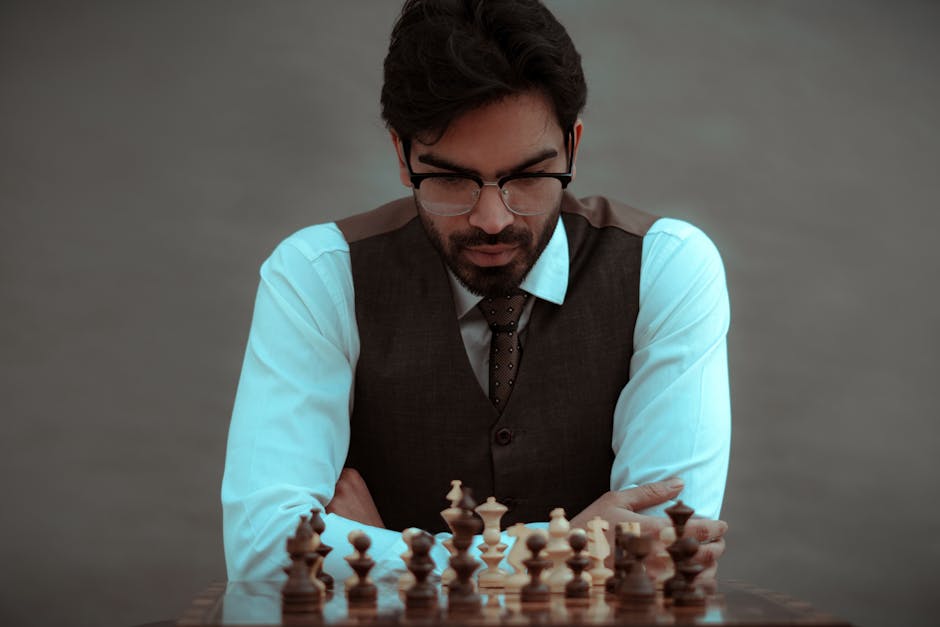
Image: GlobalBeat / 2026
**Kramnik fair play analysis: Former world chess champion releases anti-cheating algorithm Part Two**
**Muhammad Asghar | GlobalBeat**
Vladimir Kramnik published the second installment of his fair play detection methodology Tuesday on World Chess, expanding his self-developed statistical system aimed at identifying potential cheating in professional chess.
The 14th world chess champion released Part Two through the World Chess platform, building on his initial analytical framework that examines move-by-move patterns to flag suspicious play. The Russian grandmaster began developing his methodology last year amid ongoing concerns about computer-assisted cheating.
Kramnik’s analysis has divided the chess community since he released his first findings in October. The former champion’s work represents a rare instance of a top player attempting to create systematic anti-cheating tools without official chess federation backing.
The methodology examines games for repeated computer-like accuracy levels and unusual decision patterns. Kramnik argues his system can differentiate between human intuition and engine-perfect moves, claiming tournament directors lack sufficient analytical tools.
Several grandmasters have criticized Part One as insufficiently rigorous. Others welcomed any attempt to address perceived widespread cheating that they say official bodies fail to tackle. The controversy peaked when Kramnik posted redacted player names while claiming certain individuals showed statistical anomalies.
**Chess figures respond to new release**
World Chess posted Kramnik’s 47-page document that details recommended testing protocols and statistical benchmarks. The platform confirmed Part Two expands sample size considerations and establishes clearer accuracy threshold calculations.
Grandmaster Hikaru Nakamura called the methodology “interesting but incomplete” during his Monday stream, saying Kramnik’s work needs peer review. Nakamura previously labeled Part One “sensationalist.”
The International Chess Federation (FIDE) has maintained its distance from unofficial analysis. FIDE’s Fair Play Commission issued a brief statement saying individual player investigations require formal complaints and proper procedure, not public statistical reports.
Five-time world champion Viswanathan Anand offered measured support in December. Anand told ChessBase India that private anti-cheating research could complement FIDE efforts but warned against naming players without evidence.
FIDE recently upgraded its anti-cheating budget to $200,000 annually. The federation deploys metal detectors and radio-frequency screening at major tournaments but relies heavily on statistical analysis provided by Ken Regan’s consulting group.
**Hardware and detection protocols detailed**
Part Two dedicates 12 pages to scoring correlations between moves and engine recommendations. Kramnik claims his system detects suspicious activity more sensitively than Regan’s established model by minimizing false positives.
The document recommends improving recording technology at tournaments. Kramnik argues unreliable game notation undermines anti-cheating efforts, proposing enhanced digital boards that track time usage alongside moves.
World Chess CEO Ilya Merenzon praised Kramnik’s dedication in accompanying blog comments. Merenzon wrote that well-funded anti-cheating research benefits everyone, whether conducted by individuals or federations.
Funding remains opaque. Kramnik hasn’t specified budget sources though mathematical modeling typically requires substantial computational resources. His team includes several data scientists based in Switzerland and Germany.
**Critics question statistical validity**
Ken Regan criticized early leaks of Part Two protocols through internal channels. The computer scientist told Chess.com that Kramnik’s methodology lacks proper baseline measurements for simulating legitimate high-level chess performance.
An anonymous senior arbiter described the approach to Reuters as “throwing statistics at walls to see what sticks.” The official requested anonymity due to ongoing contract negotiations with FIDE.
Chess engines Stockfish and Lc0 have progressively improved tactical recommendations, reaching accuracy levels exceeding 3,700 ELO. This creates difficulties distinguishing brilliant human play from potential external assistance.
At least 15 titled players signed an open letter following Part One’s release, calling for FIDE to establish independent review mechanisms for statistical cheating claims. The letter gained traction after multiple players expressed private concerns about reputation damage.
**Chess cheating scandals multiply**
The methodology arrives amid renewed scrutiny after 2026’s US Championship disqualification of Slavko Draskovic. That incident marked chess’s highest-profile cheating sanction since Magnus Carlsen withdrew from the 2022 Sinquefield Cup.
Carlsen’s withdrawal prompted widespread speculation when he subsequently lost to Hans Niemann in St. Louis. Niemann filed lawsuits that were eventually settled privately. The entire episode illustrated detection system’s limitations when obvious evidence like phone transmission cannot be established.
Anti-cheating specialist Stefan Loffler noted growing player paranoia during virtual tournaments. Loffler told GlobalBeat that online chess saw complaint reports jump 400% after engines became readily accessible.
The upcoming Candidates Tournament in Toronto this spring will implement biometric monitoring, including fingerprint identification and heart rate tracking. Neither FIDE nor Kramnik’s methodology has incorporated biometric data analysis.
**Financial stakes drive investigation demand**
Top prize funds now regularly exceed $500,000 for elite tournaments. This raises integrity questions according to several coaches who spoke during January’s Tata Steel Chess tournament, where security prevented audience members from bringing phones.
Corporate sponsorship has surged recently, particularly from cryptocurrency platforms seeking exposure. These companies typically demand tournament integrity assurances, increasing pressure on organizers to demonstrate proactive anti-cheating positions.
Grandmaster Ian Nepomniachtchi indirectly referenced anti-cheating concerns during 2025’s world championship preparation. The Russian player held international press conferences in three languages while discussing Ogenevskiy’s suspicious conduct monitoring.
**Background**
Kramnik held the unified world chess championship from 2000-2007, defeating Garry Kasparov in London for the title. The Russian grandmaster previously worked with computer programs to prepare openings against opponents through his preferred defensive setups.
Chess cheating entered the digital age alongside online play’s expansion during COVID-19 lockdowns. Traditional in-person tournaments relied primarily on arbiter observation until smartphones proliferated, creating new methods for transmitting engine analysis.
Statistical detection evolved after Professor Regan began developing rating-based analysis in 2006. His system compares algorithmic move selection against recorded player histories, building signatures that flag statistical anomalies requiring investigation.
Major scandals include French grandmaster Sebastien Feller’s 2012 Marseilles case where a teammate transmitted bathroom moves. More recent instances involve Romanian player Vlad Dobrov identifying suspicious pen vibrations.
**What’s Next**
World Chess plans a moderated online discussion between Kramnik, Regan, and invited grandmasters next month to debate methodological differences. The forum could influence how private statistical analysis affects regulation without federation approval.
**Broader implications extend beyond chess boundaries as online poker and esports tournaments pursue anti-cheating technologies based on player pattern recognition. Kramnik’s methodology may impact regulation across competitive platforms.**
Senior Correspondent, World & Geopolitics
Muhammad Asghar covers international affairs, conflict zones, and US foreign policy for GlobalBeat. He has reported on events across the Middle East, South Asia, and Eastern Europe, with a focus on the intersection of diplomacy and armed conflict. He has been writing wire-service journalism for over a decade.