World Urban Forum opens in Baku as housing crisis and climate shocks intensify
World Urban Forum convenes in Baku with 20,000 delegates confronting record housing shortages and escalating climate threats to cities.
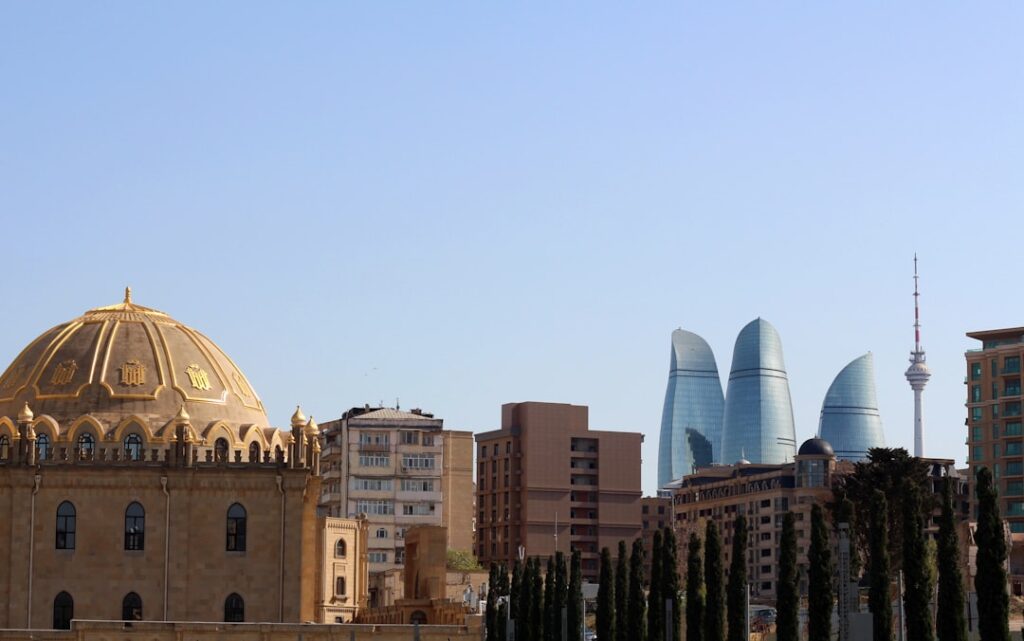
Image: GlobalBeat / 2026
Urban housing crisis drives record 1.2 million to World Urban Forum in Baku
Muhammad Asghar | GlobalBeat
BAKU, Azerbaijan − The UN’s World Urban Forum opened Monday with 24,000 delegates confronting global housing shortages that have pushed 1.2 million people into inadequate shelter as climate disasters multiply faster than cities can respond.
Secretary-General António Guterres warned the biennial gathering that 3 billion people will need adequate housing by 2030 while extreme weather events destroyed homes for 30 million residents last year alone. “We are building cities that fail the people who build them,” Guterres told the opening session at Baku’s Heydar Aliyev Center.
The forum arrives as urban populations surge past 4.5 billion worldwide, with 70 percent growth occurring in developing nations where informal settlements expand faster than official planning. Average monthly rents in major cities have jumped 37 percent since 2020 while wages stagnated, creating what the UN calls “the worst affordability crisis in modern history.”
Maimunah Mohd Sharif, executive director of UN-Habitat, said 1 in 4 urban dwellers now lives in slums without basic services. “The numbers are brutal,” Sharif told reporters. “Every week, 1.5 million people move to cities. Every week, we fail to house them properly.”
The crisis hits hardest in Africa and Asia. Lagos adds 600,000 residents annually while building only 50,000 formal housing units. Mumbai has 8 million slum residents living on 8 percent of the city’s land. Dhaka’s population density reached 45,000 people per square kilometer, triple New York’s level.
Climate change compounds the housing emergency. Flooding displaced 7.5 million urban residents in 2024, while heat waves made concrete apartment blocks uninhabitable across South Asia. The forum heard that rising seas threaten 570 coastal cities with populations exceeding 1 million.
“Cities are becoming traps,” said Dr. Aisa Kirabo Kacyira, Rwanda’s former urban development minister. “People flee rural poverty only to find urban vulnerability.”
Delegates shared stark examples. Brazil’s Recife lost 12,000 homes to extreme weather in 5 years. Pakistan’s 2022 floods destroyed 800,000 urban dwellings. Phoenix recorded 50 straight days above 43 degrees Celsius last summer, overwhelming cooling centers for low-income families.
Construction costs soared 40 percent since 2022, driven by material shortages and higher interest rates. The average home price in 15 major global cities now equals 9 times annual household income, up from 6 times in 2015. Mortgages require deposits averaging $75,000 in developing nations where median income is $4,000 yearly.
Private equity firms bought 250,000 homes across US cities since 2020, converting them to rentals and pricing out first-time buyers. Similar patterns emerged in Berlin, Lisbon and Melbourne. “Housing became an asset class instead of human right,” said Barcelona Deputy Mayor Laia Bonet.
The forum prioritized solutions requiring $4.5 trillion annually through 2030. South Korea presented its 3 million public housing units built since 1989. Vienna delegates explained how the city keeps rents 30 percent below market through municipal ownership of 220,000 apartments. Singapore shared its 90 percent homeownership model combining forced savings with government construction.
But scaling these models faces obstacles. Land values in primary cities increased 300 percent since 2010, making public acquisition prohibitively expensive. Corruption diverts 20 percent of housing budgets in developing nations. Local opposition to density, known as NIMBYism, blocks 40 percent of proposed affordable developments in major economies.
Technology offers partial answers. 3D printing reduced Mexican home construction to 24 hours per unit costing $4,000. Indian startups deploy modular panels cutting building time by 60 percent. But these innovations serve markets where 1.6 billion people cannot afford $10,000 homes without subsidies.
Background
The World Urban Forum began in 2002 after the UN recognized that 2008 would mark the first year when most humans lived in cities. Previous forums in Barcelona, Vancouver and Abu Dhabi produced voluntary commitments that improved conditions for 400 million slum residents between 2000 and 2015, but progress stalled as urbanization accelerated.
Housing affordability deteriorated dramatically after the 2008 financial crisis when central banks kept interest rates near zero for a decade. Cheap credit fueled real estate speculation while wages stagnated. The pandemic disrupted supply chains, pushing lumber prices up 400 percent and cement costs 80 percent higher. Climate disasters destroyed an average 30 million homes yearly since 2020, triple the 1990s rate.
What’s Next
Forum delegates will negotiate the Baku Declaration through Friday, calling for national governments to dedicate 5 percent of public budgets to affordable housing and require 30 percent of new developments to serve low-income residents. The document faces resistance from real estate lobbyists who call mandatory affordability “market distortion,” but organizers insist voluntary measures failed over 20 years.
The real test comes after delegates depart. UN-Habitat will track implementation through 2026, when the next forum convenes in Cairo. Cities must submit detailed housing plans within 18 months or lose access to $2 billion in development grants. With 2.5 billion more urban residents expected by 2050, the gap between housing need and availability could determine whether cities become engines of opportunity or poverty traps for half of humanity.
Senior Correspondent, World & Geopolitics
Muhammad Asghar covers international affairs, conflict zones, and US foreign policy for GlobalBeat. He has reported on events across the Middle East, South Asia, and Eastern Europe, with a focus on the intersection of diplomacy and armed conflict. He has been writing wire-service journalism for over a decade.