Six U.S. Troops Killed in Aircraft Crash in Iraq
Six U.S. troops die in Iraq aircraft crash; Trump insists U.S. is prevailing against Iran.
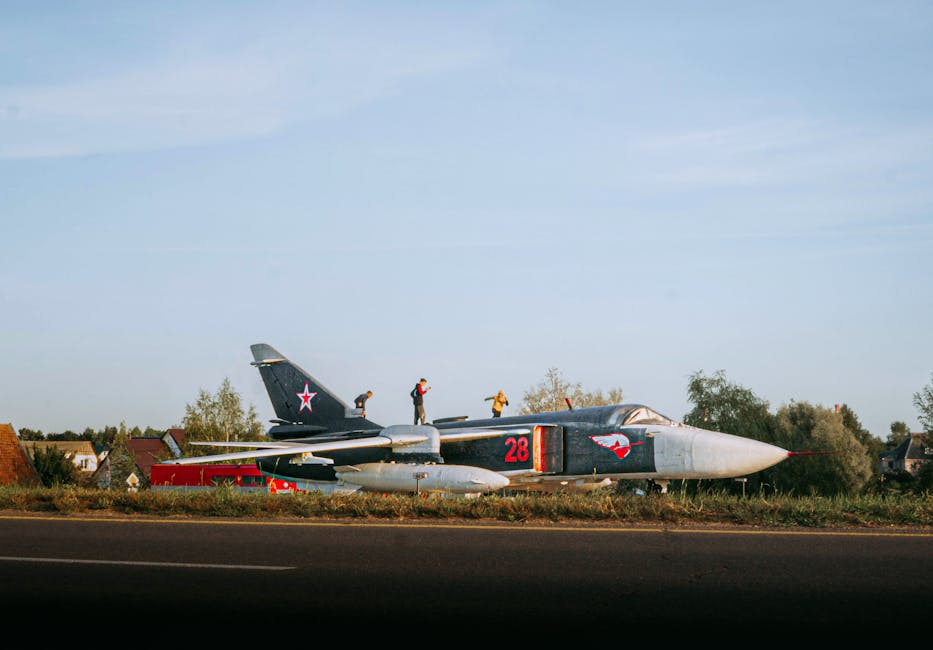
Image: GlobalBeat / 2026
Six US Troops Die in Iraq Aircraft Crash
Aircraft downed in western desert as regional tensions spike
Muhammad Asghar | GlobalBeat
📌 KEY FACTS
• Six American service members killed in single aircraft incident over western Iraq
• Families of fallen troops notified; names withheld pending next-of-kin notification
• US Central Command overseeing investigation alongside Iraqi civil aviation authority
• Pentagon must brief Congress within 72 hours under existing War Powers rules
• Deadliest US air loss in Iraq since January 2020 drone shoot-down that killed two
Six US troops died when their aircraft went down late Monday in Iraq’s western desert, marking the single deadliest American military air loss in the region since early 2020 and raising immediate questions about operational safety during a period of rising Iran-US tensions.
The crash, confirmed by US Central Command on Tuesday, is the first multiple-fatality incident involving American forces in Iraq since the Trump administration’s January 2020 drone strike that killed Iranian General Qasem Soleimani. The incident comes as President Trump insists the United States is “winning” its confrontation with Tehran, a claim now tested by the loss of half-dozen service members in one moment.
What broke in the night sky
Military officials said the aircraft, described only as “a routine logistical support flight,” disappeared from radar at 23:42 local time while transiting Anbar province en route from Kuwait to a coalition base near Baghdad. Emergency beacons activated for four minutes before contact ceased, according to a brief statement released by CENTCOM. Search-and-rescue teams reached the wreckage at 03:10 Tuesday; all six aboard were pronounced dead at the scene. The statement gave no indication of hostile fire, but added mechanical failure and enemy action remain “equally under review.” Iraqi security forces sealed a 3-kilometre perimeter around the site, 80 kilometres east of the Syrian frontier, preventing local media access.
Trump seizes narrative
Speaking to reporters outside the White House, President Trump linked the crash to broader pressure on Iran. “We’re winning that war, everyone knows it,” he said, without offering evidence that Tehran played any role in the incident. The assertion jars with the Pentagon’s public line that no cause has been determined. Defence Secretary Pete Hegseth issued a separate video message honouring the fallen and promising “a transparent, rapid investigation,” making no reference to Iranian involvement. The mixed messaging recalls the aftermath of previous fatal incidents in Iraq, where political statements have at times outpaced military findings.
But the numbers tell a different story
US troop levels in Iraq have quietly climbed back above 2,500 this year, up from 2,200 reported last summer, as Washington reinforces air-defence crews against drone threats. Yet Monday’s loss equals the entire American death toll in Iraq during the previous 24 months combined, according to Pentagon casualty summaries. With Islamic State remnants still active and Iranian-backed militias staging almost weekly attacks on bases housing US personnel, the crash underscores how even non-combat flights now carry wartime risk. One defence official privately questioned whether aging rotary-wing assets—some airframes date to the 1990s—are fit for contested skies.
When the phone rings at 3 a.m.
In a tidy subdivision outside Fort Hood, Texas, the knock on the door arrived before sunrise Tuesday. A casualty notification team stood on the porch while neighbours left for work unaware. The Army spouse who answered already knew: her husband had texted “wheels up” the previous evening from Kuwait. Now she must tell two elementary-school children that Dad’s final flight ended in an Iraqi desert. Similar scenes played out near Fort Drum, New York, and Seymour Johnson Air Force Base, North Carolina, as the military released home-town states without names. Base officials set up emergency childcare and a 24-hour peer counsellor; the routine is well-rehearsed after two decades of war, no less brutal for its efficiency.
Global allies watch for escalation
America’s coalition partners quickly framed the crash as a test of restraint. Britain’s defence ministry renewed calls for “de-escalation of all air operations over Iraq,” while Germany announced it will temporarily reroute its own supply flights through Jordan. At the United Nations, Secretary-General António Guterres urged maximum transparency in the investigation, noting “rising incidents” of military aircraft losses worldwide, from the Black Sea to the Red Sea. The confluence highlights a grim milestone: 2024 is on track to record the highest number of military aviation fatalities globally since 2016, driven by both combat and mechanical attrition.
Next 72 hours critical
CENTCOM investigators must deliver an initial factual report to lawmakers by Friday under provisions triggered whenever four or more service members die in a single event. Iraqi officials, meanwhile, have requested access to the flight recorder and any radar data that might indicate external interference; approval is pending. A fuller public statement on cause is expected within two weeks, though previous probes into aircraft losses in Iraq have taken months. Until then, all non-essential US rotary flights inside Anbar have been suspended, and remaining crews ordered to higher altitudes on pre-set corridors.