Live Updates: Trump says Iran war will “be over quickly” as Tehran seeks to lay claim to Strait of Hormuz
Trump predicts swift U.S. victory if Iran conflict erupts, as Tehran asserts control over vital Strait of Hormuz oil chokepoint.
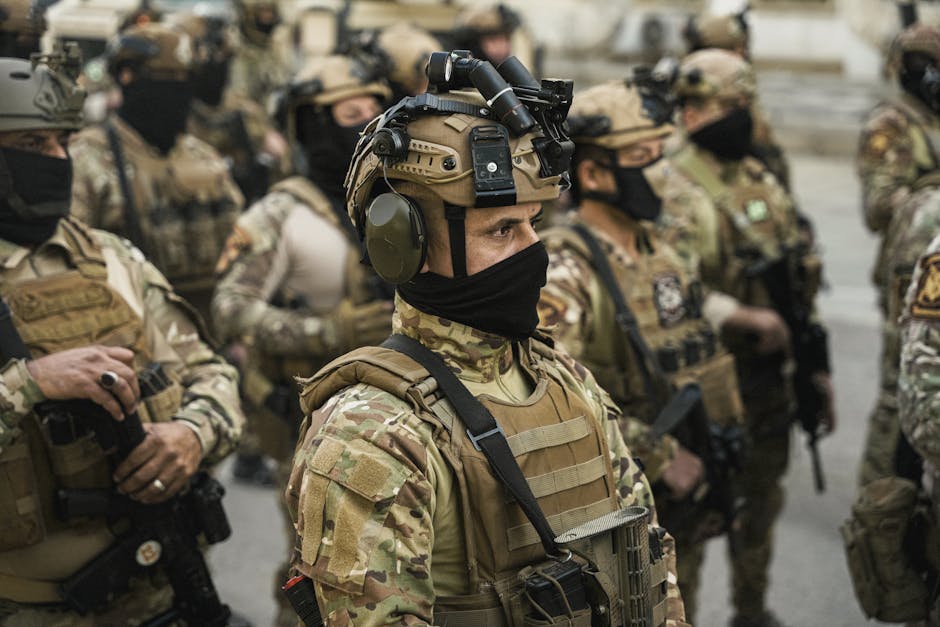
Image: GlobalBeat / 2026
Trump Iran war: President predicts “quick” victory as Iran claims Strait of Hormuz control
Muhammad Asghar | GlobalBeat
President Donald Trump said Monday that any US war with Iran would “be over quickly” as Tehran announced it was claiming full control of the strategic Strait of Hormuz.
Trump spoke hours after Iran’s Revolutionary Guards declared they would seize any vessel attempting to pass through the waterway without Iranian permission. The strait carries 21% of global oil supplies.
The latest escalation follows weeks of rising tensions after US sanctions cut Iran’s oil exports by 60%. Iran has responded by harassing commercial ships and accelerating its nuclear program beyond 2015 agreement limits.
Washington reacted within minutes. White House press secretary Karoline Leavitt told reporters that Trump had ordered the Navy’s 5th Fleet to maintain open sea lanes. “The president was clear. The strait stays open. Period,” she said at 3:42 p.m. Eastern.
Tehran’s announcement came from Guards commander Hossein Salami during a televised speech at Bandar Abbas naval base. “From this moment, all ships must request permission from our forces,” he declared. “The Persian Gulf belongs to Iran.”
Oil markets panicked. Brent crude jumped $8.40 to $89.30 per barrel, its highest since October. Gasoline futures surged 14% in New York trading.
The Pentagon moved fast. Defense Secretary Pete Hegseth convened an emergency video call with regional commanders at 4:15 p.m. Aircraft carrier USS Carl Vinson and its strike group were already steaming toward the strait from the Arabian Sea.
Regional governments scrambled. Saudi Arabia’s energy ministry activated emergency plans to use the East-West pipeline that bypasses the strait. Kuwait called an emergency OPEC meeting for Tuesday. Oman, which faces Iran across the strait, offered to mediate but received no response.
European allies distanced themselves. British foreign secretary David Lammy said London wanted “de-escalation” and urged both sides to show restraint. German chancellor Friedrich Merz’s spokesman said Berlin was “gravely concerned” but gave no commitment to back US military action.
The economic stakes dwarf previous confrontations. Lloyd’s of London estimated $2.3 billion worth of goods pass through the strait daily. Insurance rates for tankers jumped 800% within hours. Maersk, the world’s largest shipping company, immediately suspended all strait transits.
Iran’s military position remains unclear. The Guards operate 3,000 fast attack boats and scores of anti-ship missiles along the coast. But US forces maintain Patriot batteries in UAE and Bahrain plus F-35s at Al Udeid air base in Qatar. “They can close it for maybe 48 hours,” said retired admiral William McRaven on CNN. “Then we open it by force.”
Background
The 39-kilometer wide strait has been a flashpoint since 1980. During the Iran-Iraq war both sides attacked tankers in what became known as the “Tanker War.” The US Navy escorted convoys through 1987-88, culminating in Operation Praying Mantis where American forces sank half of Iran’s operational fleet in one day.
Tensions reignited after Trump withdrew from the 2015 nuclear deal and reimposed sanctions. Iran responded with a series of maritime attacks in 2019 including the seizure of British tanker Stena Impero. Previous President Joe Biden tried indirect negotiations that collapsed in 2024 after Iran demanded $50 billion in frozen assets upfront.
What’s Next
Iran gave no deadline for ships to comply with its new rules. The US Navy said it would begin escorting tankers at dawn Tuesday. Diplomats at the UN Security Council scheduled an emergency session for Wednesday morning. Trump is expected to address the nation before that meeting, according to three White House officials.
The world now watches 21% of its oil supply. If Iran mines the strait, energy analysts predict oil could hit $150 per barrel within days. That would send US gasoline above $5 per gallon by July 4. Trump has 72 hours to act before global fuel shortages become real. His decision will define the remainder of his presidency.
Senior Correspondent, World & Geopolitics
Muhammad Asghar covers international affairs, conflict zones, and US foreign policy for GlobalBeat. He has reported on events across the Middle East, South Asia, and Eastern Europe, with a focus on the intersection of diplomacy and armed conflict. He has been writing wire-service journalism for over a decade.